
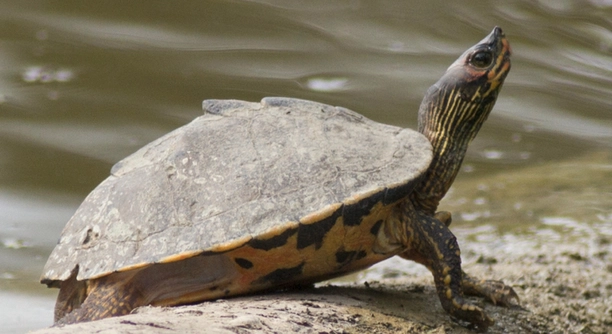
Many tortoise owners face confusion when their Indian Roofed Tortoise refuses to bury its eggs. Understanding the reasons behind this behavior can help you take appropriate steps to support your pet during this important process.
Your tortoise may refuse to bury its eggs due to environmental stressors, inadequate nesting conditions, or health issues. It is essential to provide a proper nesting site with the right temperature, humidity, and substrate to encourage natural behavior.
By identifying potential causes, you can address the problem and help your tortoise feel more comfortable. Keep reading to discover helpful tips and solutions to ensure your tortoise successfully lays and buries its eggs.
Reasons Why Your Indian Roofed Tortoise May Not Be Burying Its Eggs
Several factors can prevent your Indian Roofed Tortoise from burying its eggs. A primary cause is stress. Tortoises are sensitive creatures, and changes in their environment, such as loud noises, unfamiliar handling, or new pets, can cause them to act differently. They might feel insecure about their surroundings and refuse to engage in nesting behavior.
Additionally, the lack of a proper nesting area could be a problem. Indian Roofed Tortoises require a spacious, warm area with the right type of substrate to dig and bury their eggs. If the environment is too cold, too dry, or lacks the proper materials, your tortoise may not know how to proceed.
Proper lighting is also essential. UVB light is crucial for a healthy tortoise, especially during egg-laying. Without it, their instincts may be confused or impaired, leading to hesitation in laying or burying eggs. Addressing these basic needs can help encourage nesting behavior.
How to Create the Ideal Nesting Environment
Creating the right nesting environment for your tortoise will improve its chances of burying eggs. Ensure the substrate is deep enough for your tortoise to dig. Use materials like a mix of coconut coir and soil, which offer both stability and moisture retention. Keep the temperature between 80-85°F to mimic natural conditions.
If the environment is set up properly but your tortoise is still refusing to bury eggs, health issues like egg-binding or stress could be at play. These conditions are serious and should be addressed immediately by a vet.
It’s important to observe your tortoise closely. If it’s actively trying to dig but gets frustrated or gives up, this could indicate that the substrate is too hard or compacted. Sometimes, a simple adjustment can make all the difference. Your tortoise needs to feel comfortable and confident in its ability to lay eggs.
Stress as a Potential Barrier
Stress often disrupts the natural behavior of tortoises, and it could be why your pet isn’t burying its eggs. Ensure that the tank or outdoor enclosure is quiet, calm, and free from distractions. Avoid excessive handling, and keep the area safe from predators or overly active pets. A stressed tortoise may not feel safe enough to lay its eggs in a secure manner.
By providing a peaceful environment, your tortoise will have the peace of mind needed to carry out its natural nesting process.
Temperature and Humidity Factors
The temperature and humidity in the enclosure directly affect your tortoise’s egg-laying behavior. Without the right conditions, your tortoise might feel uncomfortable or unable to complete the process.
Maintaining a stable temperature between 80-85°F in the nesting area is crucial for your tortoise’s comfort and egg-laying instincts. If the temperature is too low or high, it can stress your tortoise and delay the egg-burying process. Also, make sure the humidity levels are sufficient. Too dry or too humid of an environment can create difficulties for your tortoise to dig properly. Using a humidity meter can help ensure the conditions are ideal.
Ensure your tortoise has access to a heat source, like a heat lamp, and a cooler area where it can regulate its temperature. These adjustments can make a noticeable difference in encouraging your tortoise to bury its eggs.
Health Concerns to Consider
Health issues can also be behind your tortoise’s refusal to bury its eggs. Egg-binding is a serious condition where the tortoise cannot lay its eggs properly. This can be caused by improper nesting conditions, low calcium levels, or even dehydration.
If you notice your tortoise straining or acting lethargic after trying to lay eggs, there may be an underlying health problem. In these cases, it’s best to take your tortoise to a veterinarian for an examination. Early diagnosis and treatment can prevent complications that may arise from untreated conditions.
To avoid this, make sure your tortoise’s diet is rich in calcium and provides enough hydration. Adequate nutrition helps prevent health issues that could impact egg-laying.
Substrate Issues
The type of substrate in your tortoise’s enclosure plays a big role in its ability to bury eggs. If the substrate is too hard, too sandy, or lacks moisture, your tortoise may struggle to dig properly.
Use a mix of coconut coir and soil, which allows for digging and retains moisture without being too compact. This combination mimics the conditions your tortoise would find in the wild. Keep it deep enough to give your tortoise ample space to create a nest and feel secure in burying its eggs.
Lack of Privacy
Your tortoise needs a private, quiet space to feel comfortable laying eggs. If the enclosure is too exposed, the constant activity may prevent it from feeling safe enough to nest. Try adding more hiding spots or partitions to give your tortoise a sense of security.
This can be as simple as adding logs, plants, or other objects that provide shelter. A cozy, enclosed nesting area helps reduce stress and encourages natural behavior.
Behavioral Signs to Watch
Pay close attention to any behavioral changes in your tortoise. If it’s pacing, digging in the same spot, or seems restless, these could be signs that it’s trying to find a suitable place to lay eggs. Offering a comfortable and private nesting area could help relieve its stress.
FAQ
What should I do if my tortoise is not laying eggs?
If your tortoise is not laying eggs, ensure that the nesting environment is ideal. Check the temperature, humidity, and substrate. If the conditions are correct and your tortoise still refuses to lay, consider whether it may be stressed, unhealthy, or experiencing discomfort. A visit to the vet can help rule out health problems like egg-binding or reproductive issues.
Can I help my tortoise bury its eggs?
You shouldn’t attempt to bury the eggs for your tortoise. It’s best to let them do it naturally. However, you can provide the proper environment with soft, moist substrate to encourage the behavior. Ensure there are no obstructions or distractions around the nesting area, and your tortoise will take care of the rest.
How can I tell if my tortoise is egg-bound?
If your tortoise is straining to lay eggs but isn’t successful, or if it seems lethargic, swollen, or visibly uncomfortable, it may be egg-bound. Other signs to watch for include a lack of appetite and excessive digging without laying eggs. This condition is serious and should be addressed by a veterinarian immediately.
Is it normal for my tortoise to refuse to bury its eggs?
It’s not uncommon for tortoises to refuse to bury eggs, especially if the nesting area isn’t ideal. Tortoises need the right conditions—like the proper temperature, humidity, and substrate—to feel comfortable enough to bury their eggs. If everything seems fine and your tortoise is still reluctant, stress or health issues could be factors.
How often do Indian Roofed Tortoises lay eggs?
Indian Roofed Tortoises typically lay eggs every year, although some may lay more frequently. The frequency can vary depending on the individual tortoise’s health, age, and environmental conditions. When breeding, females can lay anywhere from 4 to 12 eggs per clutch. Be sure to monitor the tortoise closely during breeding season and provide an optimal nesting space.
What temperature is best for egg-laying?
The ideal temperature for egg-laying in Indian Roofed Tortoises is between 80°F and 85°F (27°C – 29°C). This range allows them to feel comfortable and encourages natural digging and burying behaviors. Make sure the nesting area is warm but not too hot, as extreme heat or cold can prevent your tortoise from laying its eggs.
How deep should the nesting area be?
The nesting area should be deep enough for your tortoise to dig and bury its eggs properly. Aim for at least 4-6 inches of soft, loose substrate. This depth allows the tortoise to create a secure nest and cover its eggs once they are laid. The right depth ensures the eggs are protected and not exposed to environmental changes.
Can my tortoise lay eggs without a male?
Yes, female tortoises can lay eggs without the presence of a male. This is known as “parthenogenesis,” where unfertilized eggs are produced. These eggs will not hatch but are a natural part of the reproductive process for many species of tortoises, including the Indian Roofed Tortoise.
Should I remove the eggs if they’re not being buried?
It’s not generally recommended to remove the eggs unless absolutely necessary. If your tortoise isn’t burying them, it may be due to environmental factors, stress, or health problems. Removing the eggs can cause additional stress to your tortoise, which can lead to further complications. Try adjusting the nesting area first and monitor the behavior for any changes. If the eggs are left exposed for too long, they may become damaged or susceptible to infection, and in such cases, consulting a veterinarian is advised.
Why is my tortoise digging but not laying eggs?
If your tortoise is digging but not laying eggs, it may be experiencing stress or environmental discomfort. Check for any sources of stress, such as noise, changes in temperature, or overcrowding. It’s also possible that the nesting area is not suitable for egg-laying. Ensure the substrate is deep enough and properly moistened, and the temperature is optimal. If the tortoise continues to dig without laying, it might be worth consulting a vet to rule out health concerns.
How can I improve the nesting conditions for my tortoise?
To improve nesting conditions for your tortoise, ensure the substrate is deep, soft, and moist enough to allow easy digging. Use a mixture of coconut coir and soil to create a comfortable nesting area. Keep the temperature stable between 80°F and 85°F and make sure the humidity is at a healthy level. Adding natural hiding spots, like rocks or plants, can help your tortoise feel more secure and encourage egg-laying.
Is it okay to handle my tortoise while it’s laying eggs?
During the egg-laying process, it’s best to avoid handling your tortoise. This can cause stress, which may prevent the tortoise from successfully laying or burying its eggs. Give your tortoise space to lay eggs at its own pace. Once the process is complete, you can resume normal handling, but be cautious during this sensitive time.
Final Thoughts
Dealing with a tortoise that refuses to bury its eggs can be frustrating, but understanding the underlying factors is key to solving the issue. It’s important to address both the environment and the health of your tortoise to create the right conditions for egg-laying. A proper nesting site with the right temperature, humidity, and substrate is essential for encouraging natural behaviors. Stress, health problems, or inadequate nesting areas are often the main reasons why a tortoise might avoid burying its eggs.
If you have checked all the environmental factors and your tortoise still refuses to bury its eggs, you may need to consider its health. Egg-binding and other reproductive issues are serious conditions that require veterinary attention. Signs such as lethargy, straining, or visible discomfort while trying to lay eggs should not be ignored. A veterinarian can offer guidance on how to address the problem and ensure your tortoise stays healthy. Proper nutrition, like providing calcium, and maintaining hydration can help prevent such health problems in the future. If your tortoise is healthy and comfortable but still not burying eggs, patience may be the key.
Remember, every tortoise is different, and sometimes the process takes time. It’s important to provide a safe, calm environment and to ensure your tortoise feels secure enough to carry out its natural behaviors. Creating the right conditions and being observant of your tortoise’s needs will go a long way in helping them successfully lay and bury eggs. If the problem persists, don’t hesitate to consult a veterinarian to rule out any health concerns and to make sure your tortoise is on track for a smooth egg-laying process.

Hello,
If you enjoy the content that we create, please consider saying a "Thank You!" by leaving a tip.
Every little bit helps us continue crafting quality advice that supports the health, happiness, and well-being of pets around the world, for pets of all shapes, sizes, and species.
We really appreciate the kindness and support that you show us!