
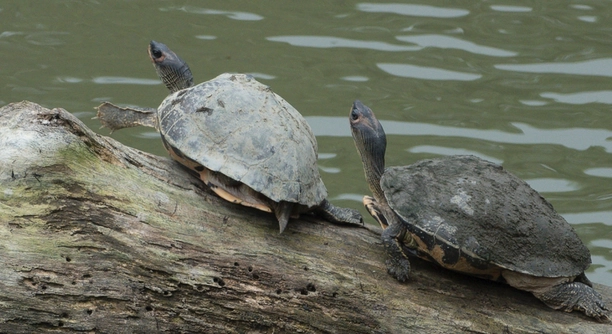
Shedding is a natural part of your Indian Roofed Tortoise’s life cycle. However, certain shedding problems can arise, which may cause concern. Knowing how to identify and address these issues is essential for their overall health and comfort.
Common shedding problems in Indian Roofed Tortoises include excessive shedding, incomplete shedding, and skin infections. These issues may arise from environmental factors, improper diet, or inadequate humidity. Understanding the cause of the shedding problem is crucial in addressing it effectively.
Taking the right steps will help your tortoise shed properly and stay healthy. Proper care and attention to their needs can prevent many shedding-related issues.
Excessive Shedding in Indian Roofed Tortoises
Excessive shedding is one of the most common problems for Indian Roofed Tortoises. If your tortoise sheds too much skin, it may indicate that something is wrong with their environment or diet. This can be caused by improper humidity levels, dehydration, or a lack of nutrients. When the tortoise is stressed or uncomfortable, it may shed more frequently as its body tries to cope with the changes. To avoid excessive shedding, it’s essential to monitor the humidity and temperature in their habitat. Additionally, ensure your tortoise is receiving a balanced diet to support healthy skin.
Overfeeding can also lead to shedding issues. When your tortoise’s body isn’t able to process excess food properly, it may shed in response. To prevent this, feed them a proper amount of high-quality food and make sure their habitat has proper humidity and temperature levels. Regular hydration is just as important to avoid stress-related skin shedding.
Maintaining a proper environment and providing consistent care can help manage excessive shedding and support your tortoise’s overall health.
Incomplete Shedding in Indian Roofed Tortoises
Incomplete shedding is another issue that tortoises may face. Incomplete shedding can be uncomfortable for the tortoise and often leads to patches of dead skin remaining on its body. This problem usually happens if the tortoise hasn’t received enough humidity or if its shell is not well cared for.
The cause of incomplete shedding typically lies in improper environmental factors. Indian Roofed Tortoises need proper humidity levels to ensure the skin sheds completely. Without adequate moisture, the old skin may cling to the body, causing discomfort and potential skin damage. Regular bathing and misting can help soften the old skin, making it easier for the tortoise to shed completely.
Keeping a consistent temperature and humidity in the enclosure also aids in preventing incomplete shedding. This, along with regular hydration and proper diet, will minimize the occurrence of this problem.
Skin Infections and Shedding
Skin infections can worsen shedding problems in Indian Roofed Tortoises. If your tortoise’s skin looks discolored, inflamed, or irritated, it may be suffering from an infection. This can make shedding more difficult.
Infections often arise from poor environmental conditions such as high humidity or wet conditions, which allow bacteria or fungi to thrive. When skin infections are present, the tortoise may also shed in patches or have difficulty shedding entirely. These infections can be treated with medication prescribed by a veterinarian. Keeping the tortoise’s environment clean and dry will also help reduce the risk of further infections.
Regular cleaning and monitoring can prevent infections from becoming severe. Always ensure that your tortoise’s habitat is free from contaminants that may cause skin irritation or infection.
Improper Diet Leading to Shedding Issues
A poor diet can cause shedding issues for your Indian Roofed Tortoise. If your tortoise isn’t receiving the right nutrients, its skin may become unhealthy and lead to abnormal shedding.
An unbalanced diet, especially one lacking in vitamins and minerals, can cause skin problems and shedding difficulties. To ensure proper skin health, feed your tortoise a variety of greens, fruits, and vegetables that are rich in essential nutrients like calcium and vitamin A. These nutrients support healthy skin and overall well-being.
A well-balanced diet strengthens your tortoise’s immune system, making it easier for the body to shed old skin properly. Be sure to provide food that mimics its natural diet as closely as possible to avoid shedding-related issues.
Dehydration and Shedding
Dehydration can be a major factor in shedding problems for Indian Roofed Tortoises. When they don’t have enough water, their skin becomes dry, and shedding can be more difficult. Ensure your tortoise always has access to fresh water.
Dehydration can lead to a buildup of old skin, making it uncomfortable and hard to shed. Providing a shallow water dish for soaking can help with hydration and promote healthy shedding. Misting the enclosure can also improve humidity levels, making it easier for the tortoise to shed fully. Hydrated tortoises shed more naturally and comfortably.
Stress and Shedding Problems
Stress is a common cause of shedding problems. Your tortoise may become stressed due to sudden changes in its environment, loud noises, or handling. This stress can result in excessive or incomplete shedding.
Maintaining a stable environment is key to reducing stress. Keep the temperature and humidity consistent, and minimize disturbances around the enclosure. If your tortoise is stressed, it may shed too much or too little. Identifying and addressing stressors quickly will help prevent shedding issues and improve overall health.
FAQ
Why is my Indian Roofed Tortoise shedding so much?
Excessive shedding can happen for several reasons. It’s often linked to environmental factors such as humidity, temperature, or diet. If the habitat is too dry or too hot, your tortoise may shed more than usual. A lack of essential nutrients can also cause over-shedding. Ensure that your tortoise’s enclosure has the right humidity and temperature, and feed it a balanced diet with adequate calcium and vitamin A. Keeping these factors in check should reduce excessive shedding.
How can I help my tortoise with incomplete shedding?
Incomplete shedding occurs when the old skin doesn’t fully come off, often because of low humidity. You can help by increasing the humidity in the enclosure, using a humidifier or misting the environment. Regular soaks in shallow water also aid in loosening dead skin. Be sure to handle your tortoise gently, as pulling off the skin could cause injury. If the issue persists, a visit to a vet might be necessary for further treatment.
What are the signs of skin infections in my tortoise?
Skin infections in tortoises can cause redness, swelling, sores, or pus on the skin. Infected areas may appear wet or have unusual discoloration. These infections are often caused by poor living conditions, such as excessive moisture or unclean environments. Keeping the habitat dry and clean, along with providing proper care, can reduce the risk of infection. If you suspect an infection, consult a vet immediately for treatment to prevent further complications.
Can a poor diet cause shedding problems?
Yes, a poor diet can cause shedding issues. If your tortoise isn’t getting enough of the right nutrients, its skin may become unhealthy, leading to excessive or incomplete shedding. Tortoises need a diet rich in calcium, vitamins A and D, and other essential nutrients. If their food lacks variety or proper balance, it can affect the shedding process. Make sure to provide a mix of leafy greens, vegetables, and occasional fruits to support healthy skin and shedding.
How does dehydration affect shedding in tortoises?
Dehydration can make shedding more difficult for tortoises. When they don’t have enough water, their skin becomes dry and may not shed properly. It’s essential to provide your tortoise with a shallow water dish for soaking. Regular misting also helps raise the humidity, which makes it easier for them to shed old skin. Ensuring your tortoise stays hydrated is crucial for preventing skin issues and supporting healthy shedding.
Can stress affect my tortoise’s shedding?
Yes, stress can have a significant impact on shedding. When a tortoise is stressed, it can either shed too much or too little. Common stressors include sudden changes in the environment, loud noises, or frequent handling. To reduce stress, maintain a stable and calm environment for your tortoise. Keep their enclosure away from heavy traffic areas, and ensure their habitat conditions remain consistent. Reducing stress can help regulate shedding and improve your tortoise’s overall well-being.
What temperature should I maintain for my tortoise to shed properly?
The right temperature is important for healthy shedding. For Indian Roofed Tortoises, the ideal temperature range is between 80°F and 90°F (27°C to 32°C) during the day. At night, the temperature can drop slightly, but it should not fall below 70°F (21°C). Maintaining this temperature range helps regulate metabolism and supports proper shedding. Use a thermometer to monitor the temperature regularly and make adjustments if necessary.
How often should I bathe my tortoise to help with shedding?
Bathing your tortoise once or twice a week can help with shedding. Soaking your tortoise in shallow, lukewarm water softens old skin and makes it easier for the tortoise to shed. During bath time, gently rub the skin with a soft toothbrush to help remove any dead skin. Never force the skin off, as this can cause harm. Regular soaking, combined with proper humidity and hydration, will assist in the shedding process.
Is it normal for my tortoise to shed in patches?
Patchy shedding is often a sign of incomplete shedding. It’s not unusual for tortoises to shed in patches if their environment isn’t ideal. Factors like low humidity, dehydration, or an imbalanced diet can cause this. To address the issue, adjust the humidity and hydration levels, and ensure your tortoise is getting the proper nutrition. If patchy shedding continues, it’s best to consult a vet to rule out any health concerns.
Final Thoughts
Indian Roofed Tortoises, like all reptiles, require specific care to thrive and shed properly. The most common shedding problems stem from environmental factors such as humidity, temperature, and diet. Ensuring their habitat is set up correctly is crucial. A well-maintained environment with consistent humidity and temperature helps your tortoise shed smoothly. Avoiding excessive handling during shedding periods can also prevent stress, which can interfere with the shedding process.
Proper hydration is another key factor in ensuring healthy shedding. Dehydration can cause the skin to become dry and prevent proper shedding. Offering your tortoise a shallow water dish for soaking and misting its enclosure regularly can help maintain the right moisture levels. Regular baths are also beneficial in helping remove old skin and promote a smoother shedding process. Monitoring your tortoise’s hydration levels and ensuring they stay hydrated will reduce skin issues and make the shedding process easier.
Lastly, a balanced diet is essential for your tortoise’s overall health and shedding. Nutrient deficiencies can cause problems, such as slow or incomplete shedding. A diet rich in essential vitamins and minerals, particularly calcium and vitamin A, supports healthy skin and regular shedding. Providing a variety of leafy greens, vegetables, and occasional fruits ensures your tortoise receives the nutrition it needs. By focusing on these key factors—environment, hydration, and diet—you can help your Indian Roofed Tortoise shed properly and maintain its well-being.

Hello,
If you enjoy the content that we create, please consider saying a "Thank You!" by leaving a tip.
Every little bit helps us continue crafting quality advice that supports the health, happiness, and well-being of pets around the world, for pets of all shapes, sizes, and species.
We really appreciate the kindness and support that you show us!