
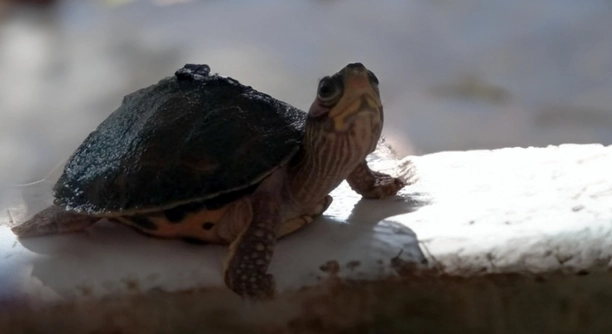
Creating a tortoise-friendly backyard can be a rewarding project for any animal lover. Indian roofed tortoises enjoy environments where they feel safe and comfortable. A few adjustments can transform your yard into a suitable habitat for these creatures.
To make an Indian roofed tortoise-friendly backyard, provide adequate shelter, a safe enclosure, proper diet, and moisture. Ensure the area has a mix of shaded and sunny spots, along with safe plants and obstacles for natural exploration.
With these tips, you’ll create an environment that supports the well-being and happiness of your tortoise.
Choosing the Right Location for Your Tortoise’s Habitat
When setting up a backyard for your Indian roofed tortoise, location is key. Pick a spot that receives a good balance of sunlight and shade. These tortoises are used to the sun but need a cool, shaded area to regulate their body temperature. Make sure the space is secure, free from predators, and large enough for them to explore and roam. It’s also important to choose an area with easy access to a water source. Tortoises often drink and bathe in shallow water, which is essential for their well-being.
Having a spot close to your home will help you monitor the tortoise and keep an eye on its activity levels. Choose a quiet area with minimal disturbance to make sure your tortoise has a peaceful environment to thrive. It’s all about balance—too much sun can overheat them, and too much shade can make them inactive.
Ensure the chosen location allows easy observation and access for feeding and care. This will help you stay on top of the health and happiness of your tortoise.
Creating Shelter and Shade for Your Tortoise
A sheltered area is essential for providing security and comfort.
Make sure your tortoise has a small, shaded shelter where it can hide when needed.
Providing Proper Food and Water
Indian roofed tortoises require a varied diet for optimal health. Their meals should consist of dark leafy greens, vegetables, and some fruits. Avoid feeding them high-oxalate foods like spinach, as it can cause kidney problems. Regularly freshen up their water, ensuring it’s clean and easily accessible.
A shallow water dish should be provided so your tortoise can drink and bathe in it. Be sure to clean the water daily to prevent bacteria growth. You can add a small rock in the dish to allow your tortoise to easily climb in and out.
Offering food that closely mirrors what they would find in the wild ensures they get the proper nutrients. A balanced diet supports their immune system, digestion, and overall well-being. Make sure to provide food at different times of the day to simulate their natural foraging habits.
Creating a Secure Enclosure
Your tortoise’s enclosure must be safe and secure to prevent escapes.
Ensure the enclosure has high enough walls and a strong lid if necessary, as tortoises can climb and dig.
Adding Natural Elements to the Habitat
Incorporating natural elements like rocks, logs, and plants creates a stimulating environment for your tortoise. These features mimic their wild habitat and encourage natural behavior, such as climbing and burrowing. Be sure to choose non-toxic plants that are safe for tortoises.
Providing hiding spots and elevated areas allows your tortoise to feel secure. Tortoises enjoy roaming over uneven terrain, so adding rocks or logs will help mimic their natural environment. Always ensure that the elements you add are sturdy and won’t easily tip over, as this could harm your tortoise.
Managing Temperature and Humidity
Maintaining the right temperature and humidity is crucial for your tortoise’s health.
Ensure there’s a basking area with temperatures between 85-90°F. The cooler end of the enclosure should stay around 75°F.
FAQ
How often should I feed my Indian roofed tortoise?
Indian roofed tortoises should be fed every day. Their diet should include a mix of leafy greens, vegetables, and occasional fruits. You can offer a variety of food to ensure they receive a balanced diet. However, avoid feeding them high-protein foods too frequently, as this can cause kidney issues over time.
Can I house multiple tortoises together?
It’s not ideal to house multiple tortoises in the same enclosure unless they are of similar size and have plenty of space. Tortoises can be territorial, and overcrowding can lead to stress, aggression, and even injury. If you do house more than one tortoise, be sure to monitor them closely.
What should I do if my tortoise isn’t eating?
If your tortoise isn’t eating, first check the environmental conditions. Ensure the temperature is within the proper range and that there is access to both sun and shade. Stress, illness, or improper habitat conditions can cause a tortoise to stop eating. If the issue persists, consider consulting a vet for advice.
How do I know if my tortoise is healthy?
A healthy tortoise will be active, have clear eyes, and show interest in food. Their shell should be smooth and hard, with no cracks or deformities. Check for any signs of respiratory issues, like wheezing, or abnormal behavior such as excessive hiding. Regularly inspect your tortoise for any signs of injury or illness.
Can I let my tortoise roam freely in my backyard?
While it might seem natural to let your tortoise roam freely, it’s safer to keep them within a secure enclosure. Tortoises can easily escape, and outdoor environments can pose risks like predators, extreme weather, or hazards like sharp objects. A controlled environment ensures their safety.
How long do Indian roofed tortoises live?
Indian roofed tortoises can live for 40 years or longer with proper care. Providing a healthy diet, the right environment, and regular veterinary check-ups can contribute to their longevity. Make sure to offer plenty of space for them to roam, as this will help them live a full, happy life.
Do Indian roofed tortoises hibernate?
Yes, Indian roofed tortoises may enter a form of dormancy during the colder months, especially in cooler climates. This hibernation period typically occurs in the winter. If you’re keeping your tortoise outdoors, it’s essential to bring them inside before the temperatures drop too low. Keep them warm, but ensure they have access to water throughout the season.
What temperature should I maintain in my tortoise’s enclosure?
The temperature in the tortoise’s enclosure should range from 75°F to 90°F, with a basking spot that reaches around 85°F to 90°F. The cooler side of the enclosure should be around 75°F. At night, temperatures can drop slightly but should not fall below 65°F. Maintaining these temperatures will ensure your tortoise is comfortable and healthy.
Can I use a regular light bulb for heating?
It’s not recommended to use a regular light bulb for heating your tortoise’s enclosure. Tortoises need specific heat sources, such as a heat lamp or ceramic heat emitter, that provide a consistent temperature. A regular light bulb may not provide the necessary warmth and could cause temperature fluctuations.
How can I keep my tortoise hydrated?
Make sure your tortoise has access to fresh water at all times. In addition to a water dish, you can provide shallow water for your tortoise to soak in. This helps with hydration and can also promote healthy skin and shell shedding. Clean the water daily to avoid bacteria buildup.
What kind of substrate should I use in my tortoise’s enclosure?
For Indian roofed tortoises, a substrate made of organic material like coconut coir, grass hay, or topsoil works well. Avoid using sand, as it can cause impaction if ingested. The substrate should be kept dry but can be misted occasionally to maintain humidity levels. Make sure the surface is easy to clean and provides a natural feel.
How can I prevent my tortoise from escaping?
To prevent your tortoise from escaping, ensure the enclosure is securely closed, with high enough walls. Indian roofed tortoises are strong and may attempt to climb or dig. It’s a good idea to have a lid or cover for added security, especially if they are housed outdoors.
Should I worry about my tortoise’s shell?
A healthy shell should be smooth, hard, and free of cracks or abnormal growths. If you notice any discoloration, soft spots, or injuries, it’s important to seek veterinary care. The shell is a vital part of your tortoise’s body and needs to be maintained to avoid infections or deformities.
Can I handle my tortoise often?
Tortoises don’t like being handled too frequently. While it’s fine to interact with them occasionally, avoid picking them up too much, as it can stress them. Instead, allow them to roam in their enclosure and observe them in their natural behavior. This will help them feel more comfortable and less anxious.
Final Thoughts
Creating a suitable environment for your Indian roofed tortoise is essential for their health and well-being. With the right care, they can live a long, happy life. It’s important to ensure they have enough space, proper lighting, temperature control, and a balanced diet. Their habitat should mimic their natural environment as much as possible to allow them to express their natural behaviors. Providing the right conditions for your tortoise will help reduce stress and promote overall health.
Equally important is monitoring their behavior regularly. Observing your tortoise’s eating habits, activity level, and general demeanor can alert you to potential issues before they become serious. Any changes in their routine, diet, or appearance should be investigated. Keeping track of their health and seeking veterinary care when necessary will help keep your tortoise in good condition for many years. Additionally, ensuring that your tortoise has access to clean water and a safe, secure enclosure is crucial. Small changes in their living conditions, such as temperature fluctuations or unclean water, can have a big impact on their health.
Ultimately, caring for an Indian roofed tortoise requires attention and consistency. It’s not just about providing a home; it’s about creating an environment that supports their natural needs. From proper food and water to ensuring they have enough room to roam and explore, each part of their care matters. By following these simple steps and committing to their care, you can provide a fulfilling life for your tortoise. The bond you create through consistent, thoughtful care will benefit both you and your tortoise for many years to come.

Hello,
If you enjoy the content that we create, please consider saying a "Thank You!" by leaving a tip.
Every little bit helps us continue crafting quality advice that supports the health, happiness, and well-being of pets around the world, for pets of all shapes, sizes, and species.
We really appreciate the kindness and support that you show us!