
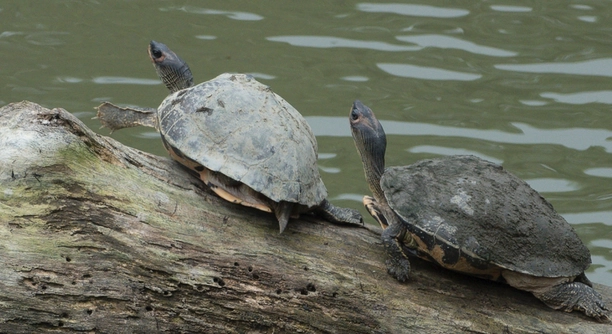
If your Indian Roofed Tortoise isn’t moving as expected, you may be concerned about its health or behavior. Tortoises can experience periods of stillness, but it’s important to understand the causes behind this behavior.
The primary reason your Indian Roofed Tortoise might not be moving is due to environmental stress, improper temperature, or health issues. Changes in habitat or an unbalanced diet can also lead to a lack of activity.
Understanding the cause will help you correct the issue, ensuring your tortoise returns to its active, happy self.
Temperature and Humidity Issues
One of the most common reasons for an inactive tortoise is improper temperature or humidity levels. Indian Roofed Tortoises need a warm and humid environment to stay healthy and active. If their enclosure is too cold or too dry, they may become lethargic. The ideal temperature range for them is between 80°F and 85°F (27°C to 29°C) during the day, with a cooler area for them to retreat to. Humidity should be kept at around 60% to 70%. If you notice your tortoise not moving, check the thermometer and humidity gauge in their habitat to ensure they’re within the proper range.
If the temperature and humidity are off, adjust them quickly to see if that encourages movement. A heat lamp or under-tank heater can help maintain warmth. Make sure the enclosure is large enough to create temperature gradients.
Sometimes, a simple change in environmental conditions can be enough to make your tortoise more active. However, if the issue persists, it could be due to other factors that need to be addressed.
Health and Diet Concerns
Health problems can also be a major reason for your tortoise’s stillness. A lack of movement might be a sign of illness, such as respiratory infections, parasites, or digestive issues. A proper diet is crucial for their well-being, so be sure to feed them a variety of fresh vegetables, greens, and occasional fruits.
An unbalanced diet can cause lethargy and other health problems. If your tortoise has been eating the same food for a long period, consider diversifying their meals.
Monitoring your tortoise’s diet, along with regular check-ups, will help keep them active and in good health. If you notice unusual symptoms like swelling, discharge from the nose, or changes in appetite, take them to a reptile vet.
Stress and Environmental Changes
Stress can cause your tortoise to become inactive. If you recently moved their enclosure or introduced new animals, they might be feeling unsettled. Sudden changes can make them retreat into their shells, resulting in limited movement.
To reduce stress, try to maintain consistency in their environment. Keep their habitat in a quiet area, away from loud noises or sudden movements. If you recently changed their setup, give them time to adjust. Ensure they feel safe and comfortable, which will help them regain their normal activity levels.
It’s important to avoid frequent changes in the tortoise’s environment. Gradual adjustments are easier for them to handle. Reassessing their enclosure and environment can sometimes make all the difference in their behavior and overall health.
Lack of Proper Lighting
Lighting is essential for an Indian Roofed Tortoise’s activity levels. Without proper lighting, they may become sluggish or inactive. They need UVB light to help them absorb calcium and maintain healthy bones.
Ensure your tortoise has access to proper lighting for 10 to 12 hours a day. UVB lights need to be replaced every 6 to 12 months, as they lose their effectiveness over time. Combine this with a heat source to provide both warmth and light.
Not having proper lighting can lead to health issues, including metabolic bone disease, which can cause your tortoise to stay still. It’s crucial to provide the right environment for them to thrive and stay active.
Age and Activity Levels
As your tortoise ages, it’s natural for them to slow down. Older tortoises may not move as much as they did when they were younger.
Age-related lethargy is common, and it doesn’t always signal a health issue. Provide a comfortable environment and be patient. Regular monitoring can help ensure their health remains in check as they age.
Overfeeding
Overfeeding your tortoise can lead to sluggishness. When they’re fed too much, they may become inactive due to digestive issues or simply because they’re too full to move.
Avoid overfeeding by offering the right amount of food based on their size and age. Monitor their eating habits and adjust accordingly to maintain their activity levels. Keeping portions controlled can help prevent lethargy.
Dehydration
Dehydration can make your tortoise lethargic and reduce movement. Lack of proper hydration affects their energy levels and overall health.
Make sure your tortoise has access to clean, fresh water at all times. Consider soaking them in shallow water for 10 to 15 minutes a few times a week to help with hydration.
FAQ
Why is my tortoise not moving even though everything seems fine?
There could be multiple reasons why your tortoise isn’t moving. Environmental factors such as temperature, humidity, and lighting play a big role in their activity levels. It’s important to ensure their habitat is properly set up and free from stressors. Changes in diet, health issues, or even natural aging can also contribute to reduced movement.
How do I know if my tortoise is sick?
Signs of illness in tortoises can include lethargy, lack of appetite, swollen eyes, discharge from the nose or mouth, and unusual behaviors. If your tortoise is not moving much and exhibits these signs, it’s a good idea to consult a reptile vet. Health problems such as respiratory infections or parasites can cause significant lethargy.
Can temperature affect my tortoise’s movement?
Yes, temperature plays a huge role in your tortoise’s activity. If the enclosure is too cold, they may become inactive or even go into hibernation-like states. Ensure the temperature remains within the ideal range (80°F to 85°F during the day) to keep your tortoise active.
What should I do if my tortoise is not eating?
If your tortoise is not eating, this could be a sign of stress, illness, or an incorrect diet. First, check the environment to make sure it’s optimal. If everything seems fine and the issue persists, consider offering a variety of foods and consulting with a vet if necessary.
How often should I feed my Indian Roofed Tortoise?
Typically, an adult Indian Roofed Tortoise should be fed every 2-3 days. Offer a balanced diet of leafy greens, vegetables, and occasional fruit. Avoid feeding them the same food regularly to ensure they’re getting a variety of nutrients.
Can dehydration make my tortoise inactive?
Yes, dehydration can cause lethargy. Tortoises need access to fresh, clean water at all times. If your tortoise isn’t drinking enough, try soaking them in shallow water for 10-15 minutes to help hydrate them.
Is it normal for my tortoise to sleep a lot?
Tortoises do tend to sleep a lot, especially at night. However, if your tortoise is excessively sleepy during the day or is not moving, it could indicate an issue with temperature, health, or diet. Always ensure their environment is comfortable and check for other signs of illness.
Should I take my tortoise to the vet if it’s not moving?
If your tortoise has been inactive for a long period or is showing signs of distress or illness, it’s best to consult a vet. They can check for any underlying health issues and provide recommendations for treatment.
How do I keep my tortoise entertained?
Tortoises are naturally curious creatures, so providing them with a stimulating environment can encourage activity. Adding hiding spots, rocks to climb, and safe items to explore can keep them entertained. Interaction with their environment can help prevent them from becoming lethargic.
Can stress affect my tortoise’s activity levels?
Yes, stress can cause your tortoise to retreat into its shell and stop moving. Factors such as loud noises, handling, or changes in their environment can trigger stress. Try to keep their habitat as stable and quiet as possible to avoid causing unnecessary stress.
What are the signs of a healthy tortoise?
A healthy tortoise is active, has a good appetite, and appears alert. Its eyes should be clear, and it should not exhibit signs of discharge or swelling. A healthy tortoise will also have smooth, clean skin and a well-formed shell.
Can lighting affect my tortoise’s behavior?
Yes, proper lighting is essential for a tortoise’s health and behavior. UVB light helps them process calcium and promotes overall well-being. Without it, they may become sluggish or inactive. Ensure your tortoise gets adequate UVB exposure for 10-12 hours a day.
How can I make my tortoise more active?
To encourage your tortoise to move, ensure its habitat is well-lit, warm, and humid. Provide a variety of foods, including greens, fruits, and vegetables. You can also offer physical enrichment like rocks to climb on and hiding spots to explore.
Why is my tortoise not eating after hibernation?
If your tortoise has recently come out of hibernation, it may take a few days to adjust to eating again. Start with soft, easily digestible foods like leafy greens and gradually increase their diet. If they refuse food for an extended period, a vet consultation may be necessary.
Can my tortoise stop moving due to old age?
As tortoises age, they naturally become less active. This is normal and can happen gradually. If their overall health seems fine, but they are just moving less, it’s likely due to their age. However, if there are other signs of illness, it’s important to seek advice from a vet.
How can I prevent my tortoise from getting bored?
To prevent boredom, create an enriched environment with objects to explore, like rocks, logs, or plants. Regularly change the arrangement of their enclosure to provide novelty. Keeping your tortoise engaged can help them remain active and healthy.
What are some common tortoise health problems that affect movement?
Common health problems that can affect a tortoise’s movement include respiratory infections, metabolic bone disease, and shell rot. These conditions can cause lethargy, poor appetite, or difficulty moving. If your tortoise is experiencing any of these symptoms, consult a vet immediately.
Final Thoughts
If your Indian Roofed Tortoise isn’t moving, it’s important to first check its environment. Temperature, humidity, and lighting should be within the recommended range. These factors play a huge role in your tortoise’s activity level. If the habitat isn’t set up properly, your tortoise may become lethargic or refuse to move. Make sure the enclosure is kept clean and has enough space for them to roam. Sometimes, a simple adjustment can make a significant difference in their behavior.
Another key factor to consider is the health and diet of your tortoise. Poor nutrition or overfeeding can lead to lethargy. Ensure you’re providing a well-balanced diet that includes a variety of leafy greens, vegetables, and occasional fruits. Overfeeding can lead to obesity, which in turn, can make your tortoise less active. It’s also important to monitor your tortoise’s hydration. Dehydration can cause sluggishness and even health problems. Providing a constant source of fresh water and occasional soakings can help prevent this. If your tortoise isn’t eating or drinking, it’s a sign that something is wrong, and you should take steps to address it.
Finally, if environmental and dietary factors are not the issue, health problems may be at the root of your tortoise’s lack of movement. Illnesses like respiratory infections or metabolic bone disease can affect their mobility. In these cases, a trip to the vet is recommended. It’s crucial to catch any health issues early on to ensure a better chance of recovery. Always keep an eye on your tortoise’s behavior, and if you notice any changes, act promptly. With proper care and attention, your tortoise will be more likely to stay active and healthy.

Hello,
If you enjoy the content that we create, please consider saying a "Thank You!" by leaving a tip.
Every little bit helps us continue crafting quality advice that supports the health, happiness, and well-being of pets around the world, for pets of all shapes, sizes, and species.
We really appreciate the kindness and support that you show us!