
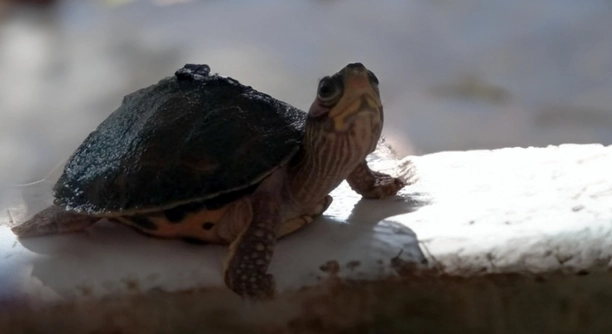
The Indian Roofed Tortoise is a fascinating reptile that thrives in warm environments. Ensuring it gets the right amount of sunlight is essential for its health and well-being. Understanding its needs can help keep your tortoise happy.
An Indian Roofed Tortoise may require more sunlight if it exhibits signs of lethargy, loss of appetite, or abnormal shell growth. These can indicate insufficient UV exposure, which is crucial for proper vitamin D3 production and calcium absorption.
Providing adequate sunlight or UVB light will help prevent health issues and promote your tortoise’s vitality.
Understanding the Importance of Sunlight for Your Tortoise
Sunlight plays a vital role in the health of your Indian Roofed Tortoise. Without enough exposure to UVB rays, it can face issues like shell deformities, weakened bones, and overall sluggish behavior. The sun’s UVB light allows tortoises to produce vitamin D3, which is necessary for calcium absorption and bone health. Without this essential component, their shells can become soft and brittle. If your tortoise spends too much time in a shaded or dark area, these health problems can become quite noticeable. It’s important to provide a space with ample natural sunlight, or, if that’s not possible, UVB bulbs specifically designed for reptiles. Regular exposure to light will also help maintain your tortoise’s active nature, supporting its overall behavior and eating habits.
UVB light is not only for bone health but also for the overall well-being of your tortoise. It aids in their digestion, metabolic processes, and immune function. Too little UVB light can compromise these crucial functions, leading to a stressed or unhealthy tortoise.
A well-lit environment helps your tortoise feel more comfortable and reduces signs of stress. This is why it’s important to make sure your pet is getting the right kind of sunlight exposure.
How Much Sunlight Does Your Tortoise Need?
A proper basking area should be established in a warm, sunny spot where your tortoise can freely move in and out of the light.
An Indian Roofed Tortoise needs about 10 to 12 hours of sunlight or artificial UVB light daily. During this time, they should have access to a warm, dry area to soak in the rays. Direct exposure to sunlight is best for optimal health benefits, though this may vary depending on your region. If you can’t provide natural sunlight, investing in a UVB light for 10-12 hours a day is a good solution. The light should be placed at a distance to ensure it’s safe and not too intense for your tortoise. Remember, overexposure can cause overheating, so a cool shaded area is equally important.
UVB lighting is essential for their bone strength and overall well-being. It should be positioned to allow them to bask comfortably in the warmth. Regular adjustments based on their behavior and temperature readings are helpful to ensure they get the proper balance of light.
Signs Your Tortoise Needs More Sunlight
If your tortoise is spending too much time hiding or seems unusually inactive, it might be a sign of inadequate sunlight. Tortoises typically become more active in direct sunlight. When deprived of it, they can become lethargic, eating less and sleeping more than usual. These changes are noticeable in their behavior.
When your tortoise isn’t getting enough sunlight, its shell may also start to show signs of poor health. The shell could become soft, deformed, or even start to change color. This can also affect its overall growth and development. A lack of sunlight causes these issues because it affects the absorption of calcium and other nutrients needed for proper shell strength. Make sure your tortoise has access to the correct amount of UVB light to prevent these issues from occurring.
It’s also important to monitor your tortoise’s appetite. A lack of sunlight can suppress appetite, as your pet becomes less active and less motivated to eat. These behavioral changes are a clear signal that something isn’t right. If you notice these signs, it’s time to adjust their lighting.
Providing the Right Basking Spot
A good basking spot is essential for a healthy tortoise. The spot should be warm but not too hot, ideally between 85°F to 90°F. This allows your tortoise to absorb UVB rays without overheating. Having a basking area that’s properly set up ensures your tortoise can get the most from the sunlight.
Place a UVB bulb near the basking area if natural sunlight isn’t available. The light should be close enough for the tortoise to benefit, but not so close that it becomes too intense. Your tortoise needs time to adjust, so the lighting setup should offer a comfortable transition between light and shade. This way, they can move freely between warmth and cooler areas, mimicking a natural environment. By doing so, you help maintain their health and well-being.
For natural sunlight, find an outdoor space that is safe and secure, free from predators or escape opportunities. Consider the position of the sun throughout the day to ensure that the basking area receives enough direct sunlight. Be cautious about the temperature changes outside and make adjustments to keep your tortoise safe.
How to Adjust Lighting When Sunlight Isn’t Enough
If your tortoise isn’t getting enough sunlight, using a UVB bulb is a great solution. Make sure the bulb you choose is specifically designed for reptiles, providing both UVB and UVA light. These bulbs are essential for maintaining bone health and overall well-being.
The light should be placed at the correct distance from your tortoise’s basking spot. Too far away, and it won’t be effective; too close, and it may overheat your tortoise. Follow the manufacturer’s guidelines to ensure optimal placement and make adjustments if necessary to maintain the proper temperature and light exposure.
Creating a Comfortable Basking Environment
Along with the right lighting, providing a comfortable basking area is key. Use a shallow basking platform or rock where your tortoise can climb up to soak in the light. Make sure it’s sturdy and easy to access, allowing your tortoise to bask comfortably and naturally.
You can add some natural materials to the basking area, such as small branches or leaves, to create a more enriching environment. These will help mimic the tortoise’s natural habitat, encouraging it to explore and engage with the area more often.
Checking the Temperature Regularly
Monitor the temperature in the basking area to make sure it stays within the ideal range. You can use a thermometer to check the warmth, ensuring it stays between 85°F and 90°F. This helps your tortoise absorb UVB light and stay active.
Adjust the heating elements as necessary, especially if you notice your tortoise is spending less time basking. A consistent temperature is important for maintaining its health. If it’s too cool, your tortoise may not fully benefit from the UVB light, affecting its digestion and overall energy levels.
FAQ
How long should my Indian Roofed Tortoise be exposed to sunlight each day?
Your tortoise should be exposed to sunlight or a UVB light source for about 10 to 12 hours a day. This is the ideal duration to ensure it gets enough UVB rays for vitamin D3 production and calcium absorption. Without enough exposure, your tortoise can develop health problems such as soft shells and weakened bones. If you’re using a UVB light instead of natural sunlight, make sure it’s on for the same amount of time and that your tortoise has access to it consistently.
Can I use a regular light bulb for my tortoise?
No, regular light bulbs do not provide the UVB rays that your tortoise needs. UVB light is essential for tortoises as it helps them produce vitamin D3, which is necessary for healthy bone growth. You should use a UVB bulb specifically designed for reptiles. These bulbs emit the right type of light that supports your tortoise’s health and well-being. Make sure to check the bulb’s specifications and replace it regularly, as UVB bulbs lose their effectiveness over time.
What signs indicate that my tortoise is not getting enough sunlight?
If your tortoise is not getting enough sunlight, it may show signs of lethargy, loss of appetite, or lack of interest in its surroundings. The shell might also become soft or show signs of deformities, as insufficient sunlight affects calcium absorption. Additionally, you may notice your tortoise spending more time hiding or sleeping rather than being active. These are clear signals that the tortoise needs more exposure to sunlight or UVB light.
How do I know if the temperature in the basking area is correct?
The ideal temperature for the basking area of your tortoise should be between 85°F and 90°F. You can use a thermometer to monitor the temperature regularly. If it’s too hot, your tortoise may seek cooler areas, and if it’s too cold, it might avoid basking altogether. Keeping the temperature consistent helps your tortoise maintain a healthy metabolism and aids in digestion. Make adjustments as needed based on the reading from your thermometer to ensure the area stays within the correct temperature range.
Is it okay for my tortoise to get too much sunlight?
Yes, it’s possible for your tortoise to get too much sunlight, especially if it’s exposed to direct heat for prolonged periods. Overexposure can cause overheating, which can be harmful. Make sure there’s always a shaded area where your tortoise can retreat to cool down when needed. Balancing direct sunlight and shaded areas is key to keeping your tortoise comfortable and healthy. Avoid having it bask in direct sunlight without access to cooler areas, as this can lead to stress or heatstroke.
Can my tortoise get UVB from natural sunlight alone?
Yes, natural sunlight provides the necessary UVB rays that your tortoise needs for good health. If you can, place your tortoise in an outdoor enclosure that receives direct sunlight. Ensure it has access to both shaded and sunny areas. If natural sunlight isn’t an option, you can use a UVB bulb to mimic the same effects. Just remember that outdoor exposure must be monitored to ensure your tortoise is safe from predators and environmental hazards.
What happens if I don’t provide enough UVB light?
Without enough UVB light, your tortoise can develop metabolic bone disease (MBD), a condition that affects its bones, shell, and overall health. Lack of UVB prevents the production of vitamin D3, which is crucial for calcium absorption. As a result, the tortoise may experience soft or deformed shells, weak bones, and other health issues. Providing consistent UVB exposure is essential to prevent these problems and maintain your tortoise’s long-term well-being.
How far should the UVB light be from my tortoise?
The UVB light should be placed about 6 to 12 inches away from your tortoise’s basking spot. The exact distance may vary depending on the strength of the bulb and its wattage, so check the manufacturer’s recommendations for placement. Keeping the light at the correct distance ensures your tortoise gets enough UVB exposure without being too close to cause overheating or stress. Regularly check the light’s intensity, as bulbs lose effectiveness over time.
Can I use a heat lamp along with the UVB light?
Yes, using a heat lamp along with the UVB light is a good idea. While the UVB light provides essential rays for vitamin D3 production, the heat lamp helps maintain the necessary warmth in the basking area. This ensures your tortoise can bask comfortably and regulate its body temperature. The heat lamp should be positioned to keep the basking area within the appropriate temperature range, typically between 85°F and 90°F, while the UVB light offers the necessary exposure.
Do I need to provide UVB light at night?
No, UVB light is only necessary during the daytime when your tortoise is active. At night, tortoises naturally rest and don’t need UVB exposure. Make sure the UVB light is on for about 10 to 12 hours each day, mimicking the natural day-night cycle. This helps your tortoise maintain a healthy rhythm and allows it to absorb the necessary nutrients while basking during the day.
How often should I replace the UVB bulb?
UVB bulbs lose their effectiveness over time, even if they still produce visible light. It’s recommended to replace your UVB bulb every 6 to 12 months, depending on the type and usage. Some bulbs may have a built-in timer to indicate when it’s time for a replacement. Regularly check the light’s effectiveness using a UVB meter to ensure your tortoise is getting the proper exposure. Replacing the bulb on time ensures your tortoise’s health and helps prevent issues caused by inadequate UVB light.
Final Thoughts
Ensuring your Indian Roofed Tortoise gets the right amount of sunlight is key to maintaining its health and well-being. Sunlight, or UVB light if natural sunlight isn’t available, is crucial for vitamin D3 production, which helps with calcium absorption and bone health. Without it, your tortoise can develop serious health issues, including metabolic bone disease. By providing a proper basking area with access to sunlight or UVB light, you help your tortoise stay active, strong, and happy.
It’s important to monitor your tortoise’s environment to make sure it’s getting the right conditions. This includes not only UVB exposure but also proper temperature control in its basking area. The ideal temperature range for basking should be between 85°F and 90°F, ensuring your tortoise can regulate its body temperature. Be mindful of the distance between the UVB light and your tortoise, as well as the duration of exposure each day. Balancing these factors will help your tortoise thrive and stay healthy.
Remember that tortoises need a mix of sunlight, warmth, and a balanced environment to grow and live well. Whether you’re using natural sunlight or artificial UVB bulbs, it’s essential to make sure they have access to it daily. Don’t forget to provide shaded areas, too, as tortoises need a space to cool off. With the right care and attention, your Indian Roofed Tortoise can enjoy a long and healthy life. Keep checking on its conditions and make adjustments as needed to ensure it thrives in its habitat.

Hello,
If you enjoy the content that we create, please consider saying a "Thank You!" by leaving a tip.
Every little bit helps us continue crafting quality advice that supports the health, happiness, and well-being of pets around the world, for pets of all shapes, sizes, and species.
We really appreciate the kindness and support that you show us!