
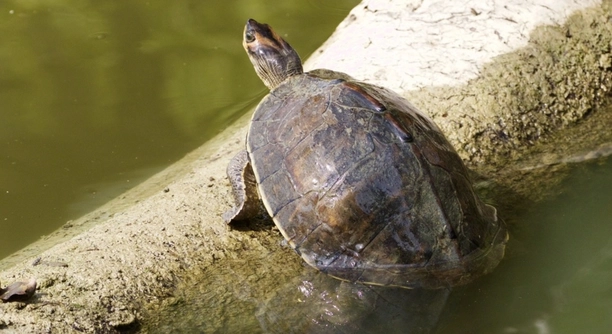
Has your Indian Roofed Tortoise been yawning a lot lately? Tortoises are known for their quirky behaviors, and yawning is one that can often leave pet owners curious. Understanding why this happens can help ensure your tortoise stays healthy and happy.
Yawning in Indian Roofed Tortoises is a natural behavior that can signal a variety of things, from relaxation and stretching to potential health concerns. It’s important to monitor other behaviors, like eating or activity levels, for further clues.
Understanding the reasons behind this behavior can help you ensure your tortoise’s well-being. Keep reading to learn more about what to watch for and when to seek advice from a veterinarian.
Possible Causes of Yawning in Indian Roofed Tortoises
Yawning in Indian Roofed Tortoises is a common behavior, and while it can seem odd, it usually doesn’t indicate a serious problem. Sometimes, yawning is simply a way for your tortoise to stretch its muscles and jaw. Just like humans, tortoises may yawn when they wake up or when they feel relaxed. This behavior can also occur after eating, as they might need to adjust their jaw and throat muscles. If your tortoise yawns occasionally and remains active, it’s probably not a cause for concern.
However, excessive yawning could indicate discomfort or stress. This is especially true if your tortoise seems lethargic or refuses to eat. A stressed tortoise might yawn more frequently as a way of expressing discomfort. Another possible cause could be improper temperature in their enclosure. If your tortoise is too cold or too hot, it might try to yawn to regulate its body temperature.
The key is to observe your tortoise’s behavior closely. If yawning becomes frequent or is paired with other signs of distress, like a lack of appetite or unusual behavior, it may be time to adjust their environment or consult a vet.
Environmental Factors to Consider
Your tortoise’s environment plays a significant role in its overall health. The right temperature, humidity, and lighting conditions are crucial for its well-being. If your tortoise’s habitat is too cold, it may start yawning as it tries to adjust to the temperature.
Make sure that the warm side of your tortoise’s enclosure is at the right temperature, around 85-90°F. On the cooler side, a temperature of 75-80°F is ideal. A proper light source will also help your tortoise regulate its activity levels. If these conditions aren’t met, yawning can be a sign of discomfort. Ensuring a stable environment for your tortoise will help reduce unnecessary yawning and prevent stress.
When to Seek Veterinary Help
While yawning is often harmless, persistent or excessive yawning should not be ignored. If your tortoise is yawning excessively and shows signs of weakness, a lack of appetite, or unusual behavior, it could be a sign of an underlying health issue. Respiratory infections, for instance, can cause tortoises to yawn more frequently as they struggle to breathe properly. Other possible health concerns include parasites or infections that affect their digestive system.
If your tortoise’s yawning is accompanied by abnormal behaviors like wheezing or excessive salivation, these could be signs of an infection, and a vet should be consulted immediately. Early diagnosis and treatment are essential for ensuring that your tortoise remains healthy and happy. A veterinarian specializing in reptiles can perform a thorough examination and provide the best course of action to treat any potential issues.
Diet and Yawning Behavior
Your tortoise’s diet can play a role in how often it yawns. If it’s not eating enough or lacks the right nutrients, it may yawn more than usual. A balanced diet helps maintain proper energy levels, which can prevent your tortoise from feeling sluggish. Make sure to feed your Indian Roofed Tortoise a variety of leafy greens, vegetables, and occasional fruits.
If your tortoise isn’t eating as much, it might be a sign of an underlying health issue. Inadequate nutrition can lead to a weakened immune system, making your tortoise more susceptible to infections. This could lead to increased yawning as it struggles to maintain energy. A healthy diet is essential for preventing this and promoting overall well-being.
Also, avoid feeding your tortoise foods that are too high in protein or calcium, as these can cause digestive problems. A diet with the proper balance of nutrients will keep your tortoise energized and healthy, reducing excessive yawning. If you notice a sudden change in appetite or behavior, it’s worth adjusting its diet and consulting a vet.
Stress and Anxiety in Tortoises
Stress is another factor that can lead to increased yawning in Indian Roofed Tortoises. Changes in their environment, like new sounds, excessive handling, or the presence of other animals, can make them anxious. Stress can cause them to yawn repeatedly as a way to cope with the tension. Creating a calm and quiet environment for your tortoise is essential to minimize stress levels.
To reduce stress, make sure your tortoise’s enclosure is in a quiet area of your home. Avoid loud noises or sudden movements near their habitat. Also, try to limit how much you handle them, as tortoises are generally not fond of frequent interaction. Offering them a hideout or a place to retreat when they feel threatened can help. Over time, a comfortable and stable environment will lead to fewer signs of stress, such as excessive yawning.
Overheating and Yawning
Overheating can cause your tortoise to yawn more often. If the temperature in their enclosure gets too high, they may try to adjust by yawning. Ensure the warm side of their habitat stays within the recommended range of 85-90°F to prevent stress.
Excessive heat can be harmful, leading to dehydration and discomfort. If the temperature spikes above this range, your tortoise may become lethargic, showing signs of exhaustion and yawning. Always check that the heat source is not too close to your tortoise’s resting area, and use a thermometer to monitor the temperature consistently.
Respiratory Issues and Yawning
Respiratory issues are a common cause of frequent yawning in tortoises. If your tortoise has an infection or respiratory disease, it may yawn as it struggles to breathe properly. Other symptoms include nasal discharge, wheezing, or labored breathing.
Infections can be caused by cold, damp conditions or poor ventilation in their habitat. If you notice these symptoms alongside yawning, it’s important to seek veterinary care. Early treatment will help prevent the infection from worsening and affecting your tortoise’s overall health. Proper enclosure conditions, like warmth and humidity, can reduce the risk of respiratory problems.
Illness and Other Health Concerns
Yawning can also be a sign of general illness. If your tortoise shows any signs of illness, such as reduced activity or changes in eating habits, it may be trying to signal discomfort through yawning.
FAQ
Why is my Indian Roofed Tortoise yawning so much?
Yawning in tortoises is usually harmless and part of their natural behavior. They may yawn to stretch their jaw or muscles, especially after eating or waking up. However, if yawning is excessive and combined with other signs like lethargy, loss of appetite, or abnormal behavior, it could indicate stress, discomfort, or a health issue such as a respiratory infection. Monitoring your tortoise’s behavior and ensuring a stable, comfortable environment can help reduce frequent yawning. If the yawning continues, consider consulting a vet.
Can yawning be a sign of illness in my tortoise?
Yes, excessive yawning can sometimes signal an underlying health problem. Respiratory infections are a common cause of yawning, as the tortoise struggles to breathe properly. If your tortoise shows other symptoms like nasal discharge, wheezing, or labored breathing, this could point to a respiratory issue that requires veterinary attention. Keeping the habitat clean, warm, and dry can help prevent respiratory infections. If you notice any changes in your tortoise’s behavior, it’s always best to get a vet’s opinion.
What should the temperature be in my tortoise’s habitat?
The temperature of your tortoise’s habitat is crucial for its health. The warm side of the enclosure should be between 85-90°F, while the cooler side should range from 75-80°F. Proper heating is necessary for digestion, metabolism, and overall comfort. If the habitat is too cold or too hot, it can cause stress, lethargy, or excessive yawning. Be sure to use a thermometer to monitor the temperature and adjust the heating source as needed.
How can I reduce stress in my tortoise’s environment?
Tortoises can experience stress from environmental changes, handling, or new additions to their surroundings. To reduce stress, place your tortoise’s enclosure in a quiet, calm part of your home, away from loud noises or other pets. Avoid excessive handling and give your tortoise time to relax. Ensure they have access to hiding spots or retreats where they can feel secure. Reducing stress in their environment can help prevent excessive yawning and promote a more comfortable, healthy life.
Is it normal for my tortoise to yawn after eating?
Yes, it is completely normal for tortoises to yawn after eating. Similar to humans, tortoises stretch their muscles and jaw after consuming food, which often leads to yawning. This is a natural and harmless behavior that does not usually indicate any health concerns. If your tortoise appears healthy and active after eating, there’s no need to worry about the yawning. However, if the yawning becomes excessive or is accompanied by other signs of distress, it’s worth investigating further.
How do I know if my tortoise is overheating?
Overheating can lead to stress and discomfort in tortoises, which may result in excessive yawning. If the temperature in their enclosure exceeds 90°F, your tortoise might show signs of overheating, such as being lethargic, seeking out cooler areas, or yawning more frequently. Ensure the heat source in the enclosure is not too close to your tortoise’s resting area. Use a thermometer to maintain proper temperature levels, and provide areas where your tortoise can cool down if needed.
Can my tortoise’s diet cause yawning?
Yes, diet plays an important role in your tortoise’s overall health and behavior. If your tortoise is not eating enough or isn’t getting the right nutrients, it may show signs of weakness or discomfort, including excessive yawning. A balanced diet of leafy greens, vegetables, and occasional fruits is essential for maintaining energy levels and overall well-being. Avoid feeding too much protein or calcium, as this can cause digestive issues. A well-balanced diet will help prevent yawning due to nutritional deficiencies.
What are some common signs of stress in tortoises?
Tortoises may display a variety of signs when they are stressed, including excessive yawning, hiding, loss of appetite, or aggression. Stress can be caused by a range of factors, including environmental changes, improper temperature, handling, or overcrowding. If you notice your tortoise becoming withdrawn or exhibiting unusual behavior, it’s important to assess their environment and make necessary adjustments. Reducing stress can lead to a healthier, happier tortoise, with fewer behavioral issues like excessive yawning.
Should I be concerned if my tortoise yawns frequently in the morning?
Yawning in the morning is typically a sign of your tortoise waking up and stretching. This is perfectly normal behavior, as tortoises tend to be less active during the night and yawn to loosen up their muscles when they start their day. However, if the yawning continues throughout the day or is accompanied by signs of discomfort or illness, it might be worth observing other symptoms. If the behavior persists, a visit to the vet can help rule out any health problems.
Can yawning be a sign of dehydration?
Dehydration can cause tortoises to become sluggish, and they may yawn more often as they try to adjust. A dehydrated tortoise might also show other signs like sunken eyes or dry skin. Ensuring your tortoise has constant access to clean, fresh water and offering foods with high water content, like leafy greens, can help prevent dehydration. If you suspect your tortoise is dehydrated, consult a vet for guidance on rehydration and care. Regular hydration is essential for their health.
Final Thoughts
Yawning in Indian Roofed Tortoises is typically a natural behavior and not something to worry about, especially when it happens occasionally. Like humans, tortoises sometimes yawn to stretch their muscles or adjust their jaw. This is especially common after they wake up or eat. However, if yawning becomes frequent or is combined with other symptoms, it could indicate a health problem. It’s important to pay attention to your tortoise’s overall behavior and environment to ensure they are comfortable and healthy.
The most common reasons for excessive yawning are stress, improper temperature, or health issues such as respiratory infections. Stress can come from loud noises, handling, or environmental changes. Ensuring that your tortoise has a calm and stable environment will help reduce stress and prevent excessive yawning. Similarly, checking the temperature of your tortoise’s habitat is essential. If it’s too hot or too cold, it could cause discomfort, leading to yawning or other signs of distress. Maintaining proper temperature levels in their enclosure will ensure they remain comfortable and active.
Finally, keep an eye on your tortoise’s eating habits and diet. A well-balanced diet rich in leafy greens and vegetables supports their health and helps maintain energy levels. If your tortoise isn’t eating or seems sluggish, it might be related to a nutritional deficiency or illness. While yawning can be a simple sign of stretching, persistent or excessive yawning should not be ignored. If you notice any concerning changes in your tortoise’s behavior, it’s best to consult with a vet to rule out any potential health issues and make sure your tortoise stays healthy and happy.

Hello,
If you enjoy the content that we create, please consider saying a "Thank You!" by leaving a tip.
Every little bit helps us continue crafting quality advice that supports the health, happiness, and well-being of pets around the world, for pets of all shapes, sizes, and species.
We really appreciate the kindness and support that you show us!