
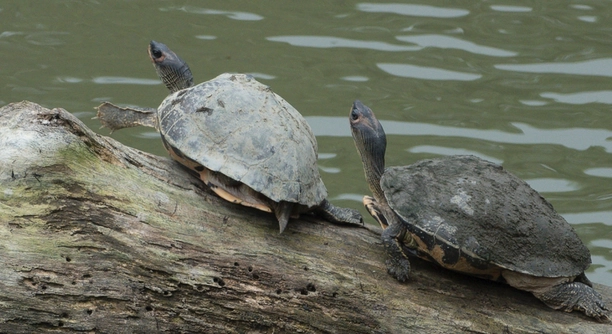
Introducing a baby Indian Roofed Tortoise to an adult can be tricky, but with careful steps, the process can go smoothly. Knowing how to properly introduce them is key to their comfort and safety.
To introduce a baby Indian Roofed Tortoise to an adult one, gradual and controlled introductions are essential. Start by allowing them to observe each other from a distance before letting them interact directly. Supervise these interactions closely.
Taking the right approach will help you build a positive relationship between the two. Understanding their behavior will ensure the well-being of both tortoises throughout the process.
Preparing for the Introduction
When introducing a baby Indian Roofed Tortoise to an adult, the first step is preparation. Both tortoises should have their own space to retreat to if they feel threatened or overwhelmed. Setting up separate enclosures that are identical in size and provide the same environmental conditions will make the transition easier. These setups should include hiding spots, plenty of food, and water. Once they’re both settled in their own spaces, you can begin their slow introduction. The goal is to reduce stress for both tortoises during this process.
It’s important to keep their environments as similar as possible to avoid confusion or territorial disputes. This allows the adult to feel more comfortable when the baby is introduced into its territory.
Start with short, controlled interactions. Keep the baby and adult separated by a barrier, such as a mesh screen, so they can see and smell each other without direct contact. This gives them time to adjust to one another’s presence. Gradually increase the length of these sessions as both tortoises become more comfortable.
Monitoring Behavior
Always supervise their interactions closely.
Watching their behavior is critical in gauging whether they’re ready for closer contact. Some adult tortoises may be territorial or protective, especially over food and space. In these cases, the baby tortoise should be kept at a safe distance until the adult shows signs of being more relaxed.
Setting Up the Enclosure
Both tortoises need enough space to feel comfortable. The baby’s enclosure should be smaller at first, allowing it to move around freely but not too much to feel overwhelmed. Once you start introducing the two, you can adjust their space depending on how they interact. A larger shared enclosure is ideal but should include distinct areas for each tortoise to claim as their own.
It’s essential to create an environment where both tortoises feel secure. Add hiding spots, like logs or small caves, to ensure that each one has a place to retreat. Make sure both enclosures are equipped with proper heating, lighting, and humidity control to keep them comfortable. Avoid placing too many objects in the space at once to prevent them from feeling crowded.
Keep the baby tortoise’s space away from the adult’s until they’ve started to adjust to each other. During the first few interactions, it’s helpful to have a barrier between them so they can see and smell each other without direct contact. This lets them get used to each other’s presence in a non-threatening way.
Introducing Food and Treats
Food plays a role in creating positive interactions.
Offer the tortoises their food in separate locations at first, but allow them to see each other while eating. This prevents competition over food and allows both to enjoy mealtime without stress. Gradually, you can introduce them to sharing food in the same space.
Tortoises can be territorial, especially during feeding time, so be patient as you introduce shared mealtime experiences. Begin by offering food to both tortoises at the same time in opposite corners. Slowly bring their feeding areas closer together. This helps both tortoises become accustomed to sharing food without feeling threatened or stressed. You might notice the adult becoming more tolerant of the baby over time as they bond through these calm, shared moments.
Observing Body Language
Watching how both tortoises react to each other is key. Look for signs of stress or aggression, like hissing, biting, or posturing. If either tortoise shows these behaviors, separate them immediately and try again later. Pay attention to any relaxed behavior, such as moving closer without aggression.
Body language is one of the most reliable indicators of how well the introduction is going. If the adult tortoise starts to ignore the baby and acts calm, it’s a good sign that they are becoming comfortable. However, if they start chasing or snapping, you should separate them for a while longer.
Gradual Increase in Time Together
Slowly increase the time the tortoises spend together.
Start by letting them interact for just a few minutes, then gradually extend the time as they get more comfortable. Never rush the process, as this could cause unnecessary stress for both tortoises.
Give them enough time to adjust, and always be present during their interactions. Watch for any negative behavior and separate them immediately if necessary.
FAQ
How long should I wait before introducing a baby tortoise to an adult?
It’s recommended to wait until the baby tortoise is at least 4 to 6 months old before introducing it to an adult. This ensures the baby has reached a size where it can better handle the interactions with the adult, especially regarding territorial behavior and aggression. The baby should also be strong and healthy, as smaller or weaker tortoises may not fare well in direct encounters.
What signs should I look for to know if the introduction is going well?
The key signs are calm behavior and lack of aggression. If both tortoises are exploring their environment without hissing, chasing, or biting, the introduction is likely going smoothly. The adult should be relaxed and not overly defensive, while the baby should feel safe enough to move around and interact with the adult without retreating in fear. Keep an eye out for any defensive posturing or aggressive actions that might indicate stress.
Can I leave the tortoises alone together?
At the beginning, it’s not a good idea to leave the tortoises alone together without supervision. Both may act defensively, especially if the adult feels threatened or territorial. It’s best to supervise their interactions at all times until you’re sure they’re comfortable and not displaying aggressive behavior. Even after the introduction seems successful, continue to monitor their interactions regularly.
How can I prevent the adult tortoise from becoming aggressive?
To prevent aggression, you should introduce the tortoises slowly and carefully. Gradually increase their interaction time, starting with visual and scent-based introductions before moving on to physical contact. Make sure both tortoises have their own space to retreat to and avoid overcrowding their enclosure. Never force them to interact. Allow them to approach each other at their own pace. If the adult shows signs of aggression, separate them and try again later.
What should I do if the adult tortoise starts chasing or biting the baby?
If this happens, immediately separate the two tortoises. Aggression, especially from the adult, is a sign that the introduction is not yet successful. Let both tortoises cool down in their own enclosures before attempting another introduction. You may need to repeat the slow introduction process several times, and it’s important to ensure the baby has a safe space to retreat to during each session.
How can I create a safe environment for both tortoises?
The safest environment for your tortoises includes separate spaces within a shared area. This gives both tortoises room to move around without feeling crowded. Make sure there are hiding spots where they can retreat if they feel threatened. The enclosure should have a proper temperature, humidity, and lighting setup that caters to the needs of both tortoises. You should also ensure there’s enough food, water, and basking spots for both. Monitoring and adjusting the environment as necessary will help reduce stress during the introduction process.
How do I know when it’s time to let them interact more freely?
When both tortoises are consistently calm and relaxed during their supervised interactions, it’s a sign that they may be ready for more freedom. Look for signs that the adult tortoise is less territorial and the baby tortoise is comfortable exploring without fear. If both are moving around without signs of aggression or stress, you can start to reduce the level of supervision but still check in on them frequently.
Is it okay to let the baby tortoise roam freely around the adult’s enclosure?
It’s not advisable to let the baby tortoise roam freely in the adult’s enclosure until both are accustomed to each other. This can increase the risk of the adult tortoise becoming territorial or aggressive. Start with short, controlled interactions in a neutral space and only allow the baby more freedom after observing positive behavior from both tortoises.
What if the baby tortoise refuses to interact with the adult?
It’s normal for a baby tortoise to be hesitant, especially in the beginning. If the baby tortoise seems scared or refuses to interact, don’t force it. Allow more time for gradual introductions and give the baby a chance to feel safe and confident around the adult. Some tortoises take more time to adjust to new situations, so patience is key.
How can I prevent territorial behavior during introductions?
Territorial behavior can be minimized by introducing the tortoises in a neutral area where neither has claimed space. Avoid introducing them in the adult’s territory or home enclosure. This allows both tortoises to feel less threatened. You should also provide plenty of hiding spots and food resources to reduce competition. Keeping the introduction slow and monitored will help prevent territorial aggression from the adult tortoise.
Should I worry about diseases when introducing new tortoises?
Yes, you should always ensure that both tortoises are healthy before introducing them. Check for any signs of illness, such as lethargy, poor appetite, or unusual behavior, in both tortoises. Quarantine the new tortoise in a separate enclosure for a few weeks before introduction to prevent the spread of diseases. If you’re unsure about the health of either tortoise, consult a veterinarian.
Final Thoughts
Introducing a baby Indian Roofed Tortoise to an adult can take time, but with patience and careful planning, it can be done successfully. The key is to move slowly and allow both tortoises to adjust at their own pace. Starting with short, controlled interactions and gradually increasing their time together helps them become more comfortable with each other. It’s important to observe their body language for any signs of stress or aggression. If either tortoise shows signs of discomfort, it’s crucial to separate them and try again later.
One of the most important aspects of the introduction process is creating a safe environment for both tortoises. Each should have a space they can retreat to if they feel threatened. By setting up separate enclosures initially, both tortoises can feel secure while gradually adjusting to one another’s presence. Providing hiding spots, proper food, and plenty of room to move around will help them feel more at ease. During the introduction, never force any interaction. Let the tortoises come together on their own terms, and always supervise their time together until you’re sure they’re ready for more freedom.
Remember that every tortoise is different. Some might adapt to a new companion quickly, while others may take longer. Be patient and prepared to take the process slow. If at any point the adult shows aggression or if the baby is too frightened to interact, it’s perfectly okay to pause and give them more time. With consistent supervision and a calm approach, the two tortoises will likely develop a comfortable relationship, making the introduction a success in the end.

Hello,
If you enjoy the content that we create, please consider saying a "Thank You!" by leaving a tip.
Every little bit helps us continue crafting quality advice that supports the health, happiness, and well-being of pets around the world, for pets of all shapes, sizes, and species.
We really appreciate the kindness and support that you show us!