
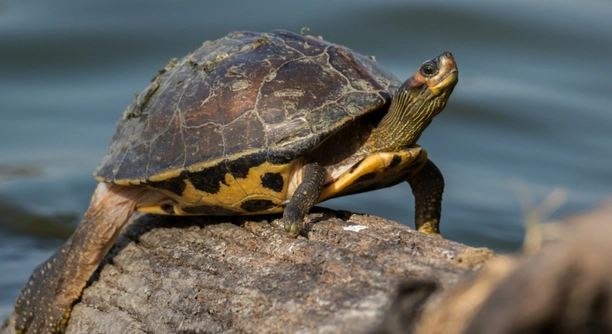
When caring for an Indian Roofed Tortoise, it’s important to recognize signs of discomfort or pain. These creatures often hide their distress, so observing their behavior closely is key to ensuring their well-being.
If your Indian Roofed Tortoise is in pain, common indicators include changes in behavior, such as a lack of appetite, difficulty moving, or abnormal shell conditions. Observing these symptoms will help you understand your tortoise’s discomfort.
Knowing the signs of pain is essential for your tortoise’s health. By understanding these signs, you can take steps to help them feel better and recover more quickly.
Unusual Behavior in Your Tortoise
If your Indian Roofed Tortoise suddenly becomes inactive, stops eating, or isolates itself, it may be a sign that something is wrong. Healthy tortoises are generally curious, often moving around and exploring their surroundings. A sudden change in behavior can indicate pain or discomfort. It’s also important to note that a tortoise in pain may become more aggressive or defensive than usual. This could be their way of protecting themselves, especially if they feel threatened or vulnerable due to physical discomfort.
Observing these changes can help you identify when something isn’t right with your tortoise. It’s essential to monitor how often these behaviors occur and whether they are coupled with other signs of pain.
Providing a stress-free, safe environment can help your tortoise feel secure, but be aware that the pain may not go away on its own. Monitoring behavior regularly is crucial in early detection and seeking help when necessary.
Changes in Eating Habits
A sudden loss of appetite can indicate pain in your tortoise.
Changes in eating habits can be one of the earliest and most noticeable signs that your tortoise is suffering. When in pain, tortoises may avoid food because it causes discomfort, or they simply don’t have the energy to eat. It’s important to pay attention to the amount of food they’re consuming. If it decreases significantly, it may be time to seek advice from a vet. If the pain persists, this can lead to further health issues like weight loss or dehydration. Be sure to provide a nutritious, well-balanced diet and monitor your tortoise’s eating patterns closely. Regularly check for any signs of mouth injuries or infections that may affect their ability to eat. If these signs continue, it’s essential to act quickly.
Physical Injuries or Shell Damage
Your tortoise’s shell is a vital part of its body, and damage to it can lead to severe pain.
The shell serves as protection, but if it gets cracked, scratched, or injured, your tortoise will likely experience pain. This could result from rough handling, falls, or encounters with sharp objects in their environment. If you notice any changes in the condition of the shell, like swelling, abnormal growths, or deep cuts, it’s important to take action. An injury to the shell can also lead to infection if not treated properly. Even if the injury seems minor, a vet should examine it to prevent further complications. The tortoise may have trouble moving or exhibit other signs of distress due to the injury.
The care you provide after shell damage is essential to their recovery. Keep the tortoise in a calm and clean environment while it heals. If you suspect shell pain or damage, do not hesitate to get professional help to avoid long-term damage.
Difficulty Moving
If your tortoise struggles to walk, move its limbs, or appear stiff, it could be in pain. A healthy tortoise is active and moves freely. Pain or discomfort can limit its ability to move comfortably.
Often, pain causes a tortoise to withdraw into its shell or adopt a rigid stance, as it avoids unnecessary movement. Check for signs of swelling, limpness, or abnormal posture. If the problem persists, a vet will need to assess your tortoise. Lack of movement could also indicate issues with joints, muscles, or even nerve damage, all of which require medical attention.
It’s important to look out for changes in the way your tortoise moves. Difficulty in movement can stem from many causes like fractures, internal injuries, or even infections. By paying attention to these changes early, you can help ensure proper treatment. Regularly providing a safe and comfortable space for movement is important for their overall health.
Abnormal Breathing or Sniffing
If your tortoise starts breathing heavily or with effort, something might be wrong.
Breathing problems can be an indication of respiratory distress or infection. Tortoises in pain may have irregular, shallow breathing or make sniffing sounds. These symptoms should not be ignored, as they could be a sign of something more serious, like pneumonia or a respiratory infection. If these symptoms occur, it’s best to contact a veterinarian immediately to avoid worsening the condition.
A tortoise that is struggling to breathe may also exhibit signs of lethargy, drooping eyes, or an unwillingness to move. These can be additional signs of respiratory issues. Proper care and monitoring of their breathing patterns are necessary to identify problems early. Be sure to provide a clean and humidity-controlled environment for your tortoise to help maintain respiratory health.
Unusual Shell Appearance
A tortoise’s shell should be smooth and intact. If you notice cracks, deep scratches, or discoloration, your tortoise may be in pain. These changes can be caused by trauma, illness, or improper care.
In addition to cracks, you might also observe abnormal growths or soft areas on the shell. These symptoms indicate a serious issue that requires veterinary care. Pain from shell problems can make your tortoise less active and reluctant to move. If the shell’s condition changes, it’s important to address it quickly to prevent further damage or infection. Regular shell checks are essential for maintaining your tortoise’s health.
Change in Behavior Towards Water
Tortoises typically enjoy soaking in water, but if your tortoise avoids water altogether, it could indicate discomfort or pain.
Avoiding water could point to a range of health issues, such as urinary problems, shell discomfort, or internal pain. A healthy tortoise should not hesitate to soak in warm water as part of its regular routine. When pain affects their body, they may reject water, and this could lead to dehydration. If the avoidance continues, ensure your tortoise is in a comfortable environment and consult a vet to rule out potential health issues.
Stress from Environmental Changes
Environmental changes can greatly impact your tortoise’s well-being and stress levels.
If you’ve recently moved your tortoise to a new habitat or altered its environment, it might experience stress. This can lead to changes in behavior, loss of appetite, and general discomfort. While stress isn’t always tied to physical pain, it can cause emotional distress, making your tortoise more vulnerable to sickness. To reduce stress, keep its environment stable and familiar. Avoid frequent handling and provide a consistent temperature and humidity level.
FAQ
What should I do if my tortoise stops eating?
If your tortoise stops eating, it can be a sign of stress, illness, or pain. First, check if there’s a change in their environment. Make sure the temperature, humidity, and lighting are appropriate. Sometimes, tortoises stop eating if they feel unsafe or uncomfortable. If the environment is stable and the problem persists for more than a day or two, it’s time to visit the vet. Lack of appetite can also be linked to respiratory issues, internal pain, or injuries that make eating difficult.
How can I tell if my tortoise is in pain?
Signs that your tortoise might be in pain include changes in behavior, such as increased aggression, withdrawal, or reluctance to move. They may also stop eating, breathe heavily, or have difficulty walking. Abnormal shell appearance, like cracks or discoloration, and avoidance of water are other warning signs. If you notice any of these behaviors, it’s important to seek professional help. Tortoises often hide pain well, so it’s crucial to monitor them closely for subtle changes in their usual habits.
Is it normal for my tortoise to hide inside its shell?
Yes, hiding inside the shell is completely normal for a tortoise, especially if it feels threatened or scared. However, if your tortoise stays hidden for extended periods and refuses to come out, this could indicate stress or pain. A stressed tortoise might withdraw into its shell to protect itself from discomfort. If your tortoise is spending an unusually long time in its shell and is also showing other signs of illness or pain, it’s time to consult a vet.
How often should I check my tortoise’s shell for problems?
It’s a good idea to check your tortoise’s shell regularly, at least once a week. Inspect it for any cracks, soft spots, discoloration, or swelling. Regular shell checks help you catch potential issues early, which can prevent further damage or infection. Tortoises’ shells are essential to their protection, so keeping it in good condition is crucial to their health. If you notice anything unusual, seek veterinary help immediately.
Can a tortoise recover from a shell injury?
Yes, a tortoise can recover from a shell injury, but it depends on the severity. Small cracks or scratches might heal on their own with proper care, but larger fractures or deep wounds need immediate veterinary attention. In more serious cases, the shell might require a splint or bandage to help it heal properly. It’s important to keep the tortoise in a stress-free environment during recovery and prevent any further injury. Infections can also complicate healing, so always watch for signs of swelling or pus.
What causes respiratory issues in tortoises?
Respiratory issues in tortoises are usually caused by poor environmental conditions, such as inadequate temperature or humidity levels. A tortoise’s lungs are very sensitive, and if the air is too cold or too dry, it can lead to respiratory infections. Bacterial infections or physical injuries to the respiratory system can also cause breathing difficulties. If you notice heavy breathing, nasal discharge, or wheezing, it’s essential to see a vet to diagnose and treat the problem early.
How can I tell if my tortoise is dehydrated?
Dehydration in tortoises is a serious issue. Signs include sunken eyes, lethargy, and dry skin. If your tortoise is avoiding water or its water source, it could be dehydrated. To prevent dehydration, provide fresh water daily and encourage soaking in shallow water. Keep the humidity in its habitat at the right levels, especially if you live in a dry area. If dehydration continues, it’s best to consult a vet for advice and treatment.
Why is my tortoise not moving?
If your tortoise is not moving, it could be due to pain, illness, or poor environmental conditions. A common reason is improper temperature or humidity, which can cause lethargy. If your tortoise is older or suffering from joint problems, it may move less frequently. However, lack of movement is often a sign that something isn’t right. Check for injury, shell problems, or other symptoms of illness. If the lack of movement persists for more than a few days, seek professional advice.
Can I treat my tortoise’s pain at home?
While you can provide some basic care at home, like adjusting their environment or offering water, pain relief often requires professional treatment. Tortoises are not like other pets, and their pain can be difficult to assess. In some cases, administering human pain relief medications can be harmful to them. It’s essential to consult with a vet who has experience with reptiles for any serious health issues or pain management.
How can I prevent my tortoise from getting injured?
To prevent injury, make sure your tortoise’s enclosure is safe and free of sharp objects or uneven surfaces. Ensure it has enough space to move around without risking falls. When handling your tortoise, be gentle and avoid lifting it by the tail or legs, as this can cause injury. Regularly check the environment for hazards, and make sure your tortoise’s habitat is clean and secure.
What should I do if my tortoise is stressed?
If your tortoise is stressed, start by checking the environment. Ensure the temperature, lighting, and humidity are correct. Stress can also result from loud noises, too much handling, or changes in habitat. Create a quiet, safe space for your tortoise and limit its exposure to stressors. If the stress continues or worsens, it might be a sign of pain or illness, so consult a vet. Regularly monitor your tortoise’s behavior and environment to reduce the risk of stress.
Final Thoughts
Understanding the signs that your Indian Roofed Tortoise may be in pain is crucial for ensuring its well-being. These tortoises can be excellent at hiding their discomfort, so being observant of their behavior and physical changes is important. By looking out for signs like abnormal behavior, changes in eating habits, difficulty moving, or problems with their shell, you can catch issues early and seek the right care. It’s always better to act quickly when you notice something off with your tortoise, as prompt treatment can often prevent more serious complications.
A healthy environment is key to preventing many issues that could lead to pain or stress. Make sure the habitat is set up properly with the right temperature, humidity, and lighting. Regularly check for hazards that could cause injury, such as sharp objects or improper surfaces. In addition to a safe environment, providing a balanced diet and fresh water is essential for your tortoise’s overall health. Stress from environmental changes or handling can also affect your tortoise’s well-being, so try to keep its routine as consistent as possible to avoid unnecessary strain.
If you ever notice signs of pain or discomfort, don’t hesitate to consult a vet who specializes in reptiles. They can provide a proper diagnosis and recommend the best treatment. While tortoises are resilient creatures, they do need proper care and attention, especially when they are not feeling well. Taking proactive steps to maintain your tortoise’s health and recognizing when something is wrong will help ensure it lives a long, comfortable life.

Hello,
If you enjoy the content that we create, please consider saying a "Thank You!" by leaving a tip.
Every little bit helps us continue crafting quality advice that supports the health, happiness, and well-being of pets around the world, for pets of all shapes, sizes, and species.
We really appreciate the kindness and support that you show us!