
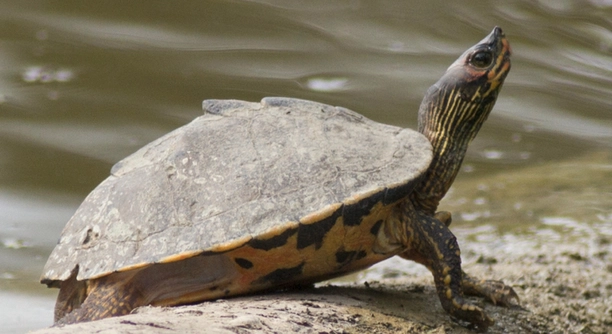
Indian Roofed Tortoises, like many reptiles, are prone to eye infections. Understanding the symptoms and how to treat them is crucial to keeping your pet healthy and happy.
Eye infections in Indian Roofed Tortoises are caused by bacteria, viruses, or poor habitat conditions. Symptoms include swelling, discharge, and squinting. Treatment involves cleaning the eyes and improving their living environment. Consult a vet if necessary.
By recognizing the signs early and treating your tortoise with proper care, you can help prevent long-term damage. Keep reading to learn more about prevention and treatment options.
Common Causes of Eye Infections in Indian Roofed Tortoises
Indian Roofed Tortoises are sensitive to their environment, and several factors can lead to eye infections. Poor humidity, improper lighting, and dirty enclosures are the main contributors. These conditions stress the tortoise and weaken its immune system, making it more susceptible to infections. If the habitat is too dry or lacks UVB light, it can result in respiratory problems that affect the eyes. Additionally, improper diet and insufficient water intake can cause dehydration, which further weakens their defenses.
Even small changes in their environment can have a big impact on your tortoise’s health. It is essential to maintain proper humidity levels and offer UVB light, as it helps with calcium absorption and overall immune health. Regularly cleaning the tank to avoid bacteria buildup also plays a crucial role in preventing infections.
Eye infections are often an indication of a larger issue, such as poor overall care. Identifying the problem early helps prevent further complications. If left untreated, these infections can cause permanent damage to the eyes and affect your tortoise’s quality of life.
Signs of an Eye Infection
Recognizing an eye infection in your tortoise early is key to effective treatment. Common signs include swollen eyes, discharge, and squinting. You might also notice your tortoise rubbing its face or eyes against surfaces to relieve discomfort. The infection may spread if left untreated, so it’s crucial to act fast.
Treatment begins with cleaning the affected eye gently using saline solution. Keeping your tortoise’s environment clean and adjusting humidity levels can help reduce further irritation. If symptoms persist, it’s time to consult a vet. They can provide targeted treatment to ensure a full recovery.
Persistent or severe eye infections can lead to further complications. If ignored, it can result in permanent eye damage or even blindness. Regular check-ups and maintaining proper living conditions for your tortoise will help ensure they remain healthy and active. Proper diet and hydration also support immune function, allowing your tortoise to fight off infections more effectively.
Treatment for Eye Infections
The first step in treating your tortoise’s eye infection is to clean the eye with saline solution. This helps remove any dirt or discharge. Gently apply the solution with a cotton ball or soft cloth to avoid further irritation. If the infection is mild, this simple treatment might be enough.
In more severe cases, a vet may prescribe antibiotic ointments or drops. Always follow the vet’s instructions carefully to prevent the infection from worsening. Keeping the tortoise’s habitat clean and ensuring proper lighting and humidity is crucial during recovery. This helps boost their immune system and prevent reinfection.
If the infection doesn’t improve or worsens after a few days, it’s essential to take your tortoise to a vet for further treatment. Sometimes, infections can develop into more serious issues like conjunctivitis or respiratory problems. Early intervention will help ensure your tortoise stays healthy.
Preventing Eye Infections
Proper care and attention are key to preventing eye infections in Indian Roofed Tortoises. Ensure their habitat is clean and dry, with no mold or bacteria present. The tank should have proper UVB lighting and humidity levels that replicate their natural environment.
Maintaining a balanced diet rich in vitamins and minerals is also crucial for overall health. Dehydration can weaken their immune system, so always provide access to fresh water. A proper diet helps the tortoise build resistance to infections and promotes good eye health. Regular check-ups with a vet are a great way to stay ahead of any health concerns.
Routine cleaning of the tank, regular maintenance of lighting and humidity, and proper diet are all steps you can take to keep your tortoise free from eye infections. By staying on top of these factors, you help ensure your tortoise’s long-term health.
When to Seek Veterinary Help
If the eye infection shows no signs of improvement after a few days, it’s time to consult a vet. You should also seek professional care if the infection worsens, or if your tortoise shows signs of pain or extreme discomfort. A vet can offer more effective treatments.
In some cases, untreated infections can lead to permanent damage or other complications, such as respiratory issues. If your tortoise begins having difficulty seeing, or the infection spreads, immediate veterinary intervention is essential. Taking your tortoise to a vet as soon as possible will help ensure proper treatment and avoid long-term health problems.
Eye infections can sometimes mask larger health issues, and only a vet can fully assess the situation. They can also provide advice on how to improve your tortoise’s environment to prevent future infections.
Importance of Proper Habitat
A proper habitat is essential for preventing eye infections in tortoises. Make sure the tank has appropriate humidity, lighting, and temperature levels. Poor environmental conditions are often the root cause of these issues.
Consistently maintaining these factors helps prevent stress and boosts the tortoise’s immune system. This can help reduce the chances of infections developing in the first place.
Supporting Recovery with a Healthy Diet
During recovery, it’s important to provide your tortoise with a nutritious, balanced diet. Offering a variety of vegetables, fruits, and occasional protein will support their immune system and overall health. Proper nutrition helps speed up the healing process.
FAQ
How can I tell if my tortoise has an eye infection?
If your tortoise has an eye infection, you may notice swollen eyes, discharge, or squinting. They may also rub their face or eyes against surfaces. These signs are often accompanied by general discomfort, such as lethargy or a lack of appetite. Pay attention to any behavior that seems unusual, as these can be early indicators of an infection. If you notice any of these symptoms, it’s important to act quickly to avoid further complications.
Can eye infections in tortoises go away on their own?
Mild eye infections might improve with simple care, such as cleaning the eyes with saline solution and adjusting the environment. However, more serious infections usually require veterinary attention. If left untreated, an infection can spread or cause permanent damage. It’s always best to be cautious and consult a vet if symptoms persist for more than a few days.
What is the best way to clean my tortoise’s eyes?
The safest way to clean your tortoise’s eyes is by using a sterile saline solution. Apply it gently with a cotton ball or soft cloth. Make sure the cotton ball isn’t too rough, as the eye area is delicate. Avoid using harsh chemicals or human eye drops unless prescribed by a vet.
How long does it take for a tortoise to recover from an eye infection?
The recovery time can vary depending on the severity of the infection. Mild cases might show improvement in a few days with proper care. More severe infections could take weeks, especially if they require veterinary treatment. Make sure to follow all recommended care instructions and give your tortoise time to heal.
What can cause eye infections in tortoises?
The most common causes of eye infections are poor environmental conditions, such as improper humidity, insufficient UVB lighting, or unclean living spaces. These factors can weaken your tortoise’s immune system, making them more vulnerable to bacterial or fungal infections. A poor diet or dehydration can also contribute to eye problems.
Are certain types of tortoises more likely to get eye infections?
While all tortoises can be susceptible to eye infections, species like the Indian Roofed Tortoise, which are often kept in captivity, are more prone due to the controlled environment they live in. Ensuring that their habitat mimics their natural conditions as closely as possible can help reduce the risk of infections.
Can I use human eye drops on my tortoise?
Human eye drops are not recommended for tortoises unless explicitly prescribed by a veterinarian. Tortoises have different physiology and what works for humans may not be safe for them. Always consult with a vet before using any treatment not specifically designed for reptiles.
How do I improve the living conditions for my tortoise to prevent eye infections?
Ensure your tortoise’s habitat has proper humidity, temperature, and UVB lighting. Regularly clean the tank to prevent bacteria buildup. Provide fresh water daily and maintain a healthy diet rich in vitamins and minerals. Proper care will not only prevent eye infections but also promote overall health.
What is the role of UVB light in preventing eye infections?
UVB light helps tortoises metabolize calcium and supports their immune system. It is crucial for their overall health, including eye health. A lack of UVB light can weaken their immune system, making them more susceptible to infections. Make sure your tortoise has access to adequate UVB light, either through natural sunlight or a UVB bulb.
Can stress contribute to eye infections in tortoises?
Yes, stress can weaken your tortoise’s immune system and make them more vulnerable to infections. Stress can result from improper habitat conditions, poor diet, or even handling too much. Creating a stable and calm environment, along with proper care, can reduce stress and help keep your tortoise healthy.
Is it safe to treat my tortoise’s eye infection with home remedies?
Home remedies should only be used with caution, and it’s always better to consult a vet for the most effective treatment. Simple saline cleaning can be done at home, but more severe infections require veterinary intervention. Home remedies that are not specifically designed for reptiles can sometimes make the situation worse.
How can I prevent eye infections in the future?
To prevent eye infections, maintain a clean and well-lit habitat. Ensure your tortoise has access to UVB light, and make sure the humidity and temperature are appropriate. A balanced diet and proper hydration also play a key role in strengthening the immune system, helping to prevent future infections.
Is it normal for my tortoise to squint sometimes?
Occasional squinting can be normal, especially if your tortoise is trying to sleep or if it’s exposed to bright light. However, persistent squinting, especially with other symptoms like discharge or swelling, is not normal and could indicate an infection. Pay close attention to any changes in behavior.
What other symptoms should I look for if my tortoise has an eye infection?
Aside from squinting and discharge, look for signs of lethargy, lack of appetite, or rubbing the eyes on surfaces. If your tortoise seems to have difficulty seeing or is acting unusually, these could be signs of a more serious infection. Acting early can help prevent complications.
Can poor diet contribute to eye infections in tortoises?
Yes, a poor diet can weaken a tortoise’s immune system, making it more vulnerable to infections. A well-balanced diet rich in vitamins and minerals supports overall health and helps fight off illnesses. Make sure your tortoise is eating a variety of vegetables, fruits, and occasional protein sources.
How often should I clean my tortoise’s tank to prevent infections?
You should clean your tortoise’s tank at least once a week, but more frequent cleaning may be necessary if the habitat gets dirty quickly. Regular cleaning will help reduce bacteria buildup, which can contribute to eye infections and other health issues. Always spot clean daily by removing waste and uneaten food.
Final Thoughts
Eye infections in Indian Roofed Tortoises are a common but manageable issue. Early detection and proper care can make a significant difference in your tortoise’s recovery. Keeping a close eye on their behavior and looking for signs such as swollen eyes, discharge, or squinting will help you address any problems before they worsen. Simple steps, like cleaning their eyes with saline solution and ensuring their environment is clean and properly lit, can go a long way in preventing infections.
Taking the time to ensure your tortoise’s habitat is suitable is one of the best ways to prevent future issues. This includes maintaining the right humidity, temperature, and UVB light, as these factors directly affect their overall health. A stable environment reduces the risk of stress, which can weaken their immune system and make them more susceptible to infections. Regular cleaning and ensuring access to fresh water will also help in keeping your tortoise’s health in check.
Remember that, while you can manage minor infections at home with proper care, it’s always best to consult a vet if the symptoms persist or worsen. Professional advice will help ensure the correct treatment and avoid long-term damage. By being proactive with your tortoise’s care, you can reduce the chances of eye infections and keep them healthy for years to come. Maintaining a balanced diet and keeping their living conditions clean will support their immune system and overall well-being. With the right care, you can help your tortoise lead a happy, healthy life.

Hello,
If you enjoy the content that we create, please consider saying a "Thank You!" by leaving a tip.
Every little bit helps us continue crafting quality advice that supports the health, happiness, and well-being of pets around the world, for pets of all shapes, sizes, and species.
We really appreciate the kindness and support that you show us!