
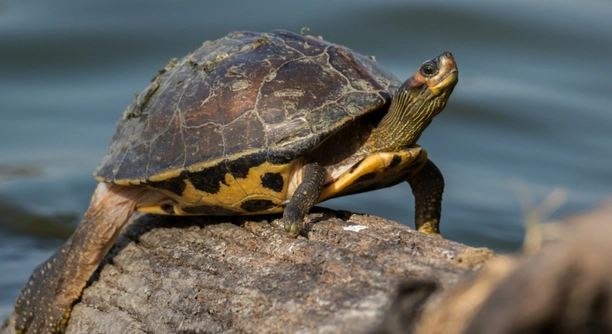
Keeping your Indian roofed tortoise’s water clean is important for their health. Over time, water can become slimy, posing a risk to their environment. A few simple adjustments can keep the water fresh and safe for your tortoise.
Maintaining clean water for your tortoise involves changing the water regularly, using a filtration system, and ensuring proper tank conditions. Proper temperature and lighting help prevent algae buildup, and avoiding overfeeding can also reduce water contamination.
By taking these simple steps, you can ensure that your tortoise’s water stays clean and safe, preventing potential health issues.
Importance of Regular Water Changes
Changing the water regularly is one of the most effective ways to prevent sliminess in your tortoise’s habitat. Stagnant water promotes bacteria and algae growth, which not only makes the water murky but also impacts your tortoise’s health. Depending on the size of the tank and the number of tortoises, aim to change the water at least once a week. If your tortoise spends a lot of time in the water, more frequent changes may be needed.
Keep in mind that using dechlorinated water is essential. Chlorine and other chemicals can harm your tortoise over time. Freshwater will help maintain a stable and healthy environment, allowing your tortoise to thrive.
Regular water changes can also help manage waste build-up, which can contribute to a slimy, unhealthy tank. Be sure to also clean the tank thoroughly with each water change to prevent the growth of harmful bacteria. You can wipe down the sides of the tank to keep it looking clear.
Filtration System Options
Investing in a good filtration system can significantly reduce the slimy build-up in your tortoise’s water.
Quality filters will help keep the water clean between changes. Choose a filter designed for aquatic reptiles to ensure it handles the tank’s specific needs.
Tank Temperature and Lighting
Proper tank temperature and lighting are essential for preventing slimy water. The temperature should mimic your tortoise’s natural environment, typically between 75°F and 85°F (24°C – 29°C). This range helps to prevent algae growth and bacteria that thrive in warmer water.
A good light source is necessary for your tortoise’s well-being and for controlling water quality. UVB lighting not only helps your tortoise stay healthy but also keeps the water’s temperature stable. Use a thermometer to monitor water conditions consistently. Ensure the lighting is on a proper cycle to simulate day and night, helping regulate the water environment.
Excess heat can cause rapid algae growth, while too little light can contribute to murky water. Ensure the water stays within the ideal range and use a reliable heater and UVB bulb. A balanced temperature and light system help prevent the unwanted sliminess from forming.
Overfeeding Your Tortoise
Overfeeding can be a significant contributor to slimy water. Leftover food decays and affects water quality, encouraging bacterial and algae growth. To avoid this, only offer food that your tortoise can consume in a short time.
Measure your tortoise’s food portions and remove any uneaten food after feeding. If you’re unsure about portion sizes, consult care guidelines for your specific tortoise species. This helps in maintaining a cleaner environment. Clean up any debris in the tank promptly to prevent water contamination.
Additionally, a proper diet tailored to your tortoise’s nutritional needs will help reduce excess waste. Proper feeding habits not only prevent slimy water but also ensure that your tortoise stays healthy and active.
Tank Size and Shape
A larger tank gives your tortoise more space to move around and helps prevent water from becoming too dirty quickly. A smaller tank can accumulate waste faster, which leads to slimy water. Make sure the tank size is suitable for your tortoise’s needs.
Ensure the tank is at least four times the size of your tortoise’s shell length. This allows for better water flow and reduces the chance of waste buildup. When selecting a tank, opt for one that is easy to clean and can accommodate a filter.
Water Quality Additives
There are water quality additives available that help maintain the cleanliness of your tortoise’s habitat. These additives neutralize harmful chemicals, control algae, and reduce bacterial growth. Using them along with regular water changes can make a noticeable difference.
However, be sure to select additives that are safe for reptiles. Some chemicals may affect the health of your tortoise. Stick with those formulated specifically for aquatic reptiles to ensure their safety. Read the instructions carefully for proper use.
FAQ
How often should I change my tortoise’s water?
Water should be changed at least once a week. However, if you notice the water becoming cloudy or slimy sooner, it may need to be changed more frequently. It’s also important to clean the tank and remove any waste at the same time. Regular water changes prevent the build-up of harmful bacteria that could negatively affect your tortoise’s health.
Can I use tap water for my tortoise’s tank?
You can use tap water, but it’s crucial to treat it first. Most tap water contains chlorine and chloramine, which can harm your tortoise. Use a water conditioner to remove these chemicals or let the water sit for 24-48 hours before adding it to the tank. Always check your local water quality to determine the best method for your tortoise’s safety.
What can I do if my tortoise’s water is still slimy despite regular water changes?
If the water remains slimy, it’s likely due to an excess of organic matter or improper filtration. First, make sure you’re changing the water frequently and cleaning the tank thoroughly. Second, check the filtration system—if it’s underpowered or clogged, it might not be doing its job effectively. Consider upgrading the filter to one suited for aquatic reptiles, ensuring it handles the size of your tank.
How do I prevent algae growth in my tortoise’s water?
Algae thrive in warm, stagnant water. To prevent this, make sure the tank is kept at the correct temperature (between 75°F and 85°F). Additionally, keep the tank clean by changing the water regularly and removing any debris. Using a filter that can remove fine particles from the water will also help reduce the conditions algae need to grow. If algae do appear, manually scrub it off the surfaces and remove the affected water.
How do I clean my tortoise’s tank effectively?
To clean the tank, remove your tortoise and place it in a safe, temporary space. Drain the water and remove any substrate or decorations. Scrub all surfaces, including rocks, plastic plants, and the tank walls, using a non-toxic aquarium cleaner or a vinegar-water solution. Rinse everything thoroughly to remove any cleaning residue. Replace any soiled substrate and add fresh, dechlorinated water. Be sure to clean the filter as well.
Is it safe to use a water heater for my tortoise’s tank?
Yes, a water heater can help maintain a stable temperature in the tank. Make sure the heater is designed for reptile tanks and is appropriate for the size of your tortoise’s enclosure. A reliable water heater ensures your tortoise is living in the ideal temperature range and can help prevent water from becoming too cold, which can encourage bacterial growth.
Can I use aquarium plants in my tortoise’s tank?
Live aquarium plants can be used in your tortoise’s tank, but they need to be hardy enough to withstand the tortoise’s activity. Keep in mind that tortoises may nibble on plants, which can damage them. If you decide to add plants, ensure they are non-toxic and safe for your tortoise. Be mindful of the size of the plants, as they can also contribute to excess organic matter in the water if not maintained properly.
Should I use a water filter for my tortoise’s tank?
A water filter is highly recommended. It helps to remove waste and debris, keeping the water cleaner for longer. Make sure the filter is strong enough for the size of the tank and can handle the type of waste produced by your tortoise. Regularly clean the filter to prevent clogging, and replace it when necessary to maintain optimal water quality. A good filter is crucial for preventing slimy water and ensuring your tortoise’s health.
How can I tell if my tortoise is healthy after changes in water conditions?
Monitor your tortoise closely for signs of illness after making changes to the tank’s water quality. Healthy tortoises are active, have clear eyes, and show interest in food. If your tortoise appears lethargic, has cloudy eyes, or stops eating, these could be signs of stress or illness caused by poor water conditions. In such cases, it’s important to address the water quality issue immediately and, if necessary, consult a veterinarian.
Can I use a UVB light in my tortoise’s tank?
Yes, a UVB light is essential for your tortoise’s overall health. UVB lighting helps tortoises produce vitamin D3, which is necessary for calcium absorption and bone health. Inadequate UVB exposure can lead to metabolic bone disease. Ensure that the light is properly placed, at the correct distance from the tank, and is on a proper cycle, mimicking day and night.
Final Thoughts
Maintaining clean water is essential for the health and well-being of your Indian Roofed Tortoise. A tank that’s too small, improperly filtered, or left with stagnant water will create an environment where harmful bacteria thrive. This can lead to slimy water, which can cause stress or illness in your tortoise. Regular water changes, proper tank size, and an efficient filtration system are all crucial components in keeping the water clean and your tortoise healthy. Understanding these factors and taking simple preventive measures will help you provide a better living environment for your tortoise.
It’s important to remember that an Indian Roofed Tortoise’s habitat requires ongoing care. Water quality doesn’t just affect your tortoise’s immediate comfort, but it plays a key role in its long-term health. If the water becomes too dirty or slimy, your tortoise may become stressed, leading to poor feeding habits, lethargy, or even health issues like shell rot. A consistent cleaning routine, along with proper filtration and the right water additives, can go a long way in preventing these problems. By staying proactive and addressing water issues early, you can ensure your tortoise enjoys a clean and safe environment.
In conclusion, a little effort can make a big difference in the health of your tortoise. With regular water maintenance, a suitable tank setup, and the right equipment, you’ll help keep the water from becoming slimy and ensure your tortoise thrives. Creating an ideal habitat doesn’t have to be overwhelming; by understanding the basics of water care, you can provide the best environment for your pet. Taking these steps now will help avoid costly or challenging issues in the future and support your tortoise’s overall well-being.

Hello,
If you enjoy the content that we create, please consider saying a "Thank You!" by leaving a tip.
Every little bit helps us continue crafting quality advice that supports the health, happiness, and well-being of pets around the world, for pets of all shapes, sizes, and species.
We really appreciate the kindness and support that you show us!