
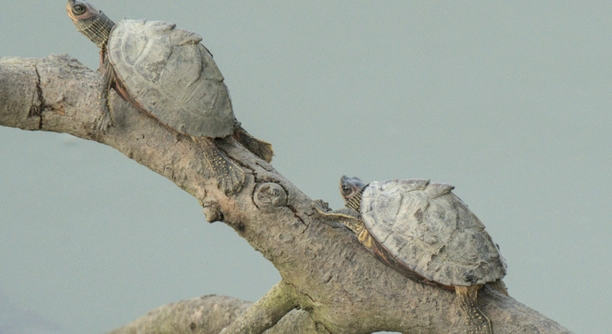
Indian Roofed Tortoises are known for their diverse diet, which typically includes plants, vegetables, and some fruits. However, when it comes to mushrooms, it’s important to understand whether they are safe or harmful for your tortoise’s health.
Mushrooms should not be fed to Indian Roofed Tortoises. While some mushrooms are safe for reptiles, others are toxic and can cause serious health issues. The risks of poisoning outweigh any potential benefits, making them unsuitable for their diet.
Knowing what foods are safe is essential for the well-being of your tortoise. Continuing to explore what can be included in their diet ensures their health remains optimal.
Why Mushrooms Can Be Harmful for Indian Roofed Tortoises
Mushrooms contain compounds that are difficult for tortoises to process. Some varieties can be toxic, causing symptoms like vomiting, diarrhea, and even liver damage. In the wild, tortoises avoid mushrooms, instinctively knowing that they are not a safe food source. Even mushrooms that seem harmless can lead to serious health issues. This makes them a risky option for your tortoise’s diet.
Not all mushrooms are dangerous, but without knowing the specific type, it’s safer to avoid them altogether. When feeding your tortoise, it’s best to stick to foods known to be safe.
If you want to ensure your tortoise remains healthy, stick to vegetables, fruits, and plants that are widely known to be safe for them. There are many alternatives available that are both nutritious and safe. Proper diet management is key to keeping your tortoise strong and happy. Avoiding mushrooms reduces the risk of poisoning, which could lead to long-term health complications.
Signs of Mushroom Poisoning in Indian Roofed Tortoises
If your tortoise accidentally eats a mushroom, there are a few signs to watch for. Symptoms may include drooling, lack of appetite, lethargy, or changes in behavior. In severe cases, you might notice tremors or difficulty moving. If you see these signs, it’s essential to seek veterinary care immediately.
Poisoning can progress quickly, so it’s critical to act fast. The longer the tortoise goes without treatment, the more damage the toxins can cause. Prompt intervention increases the chances of recovery. Always be mindful of your tortoise’s behavior and health after any dietary changes.
Veterinarians may induce vomiting or administer activated charcoal to help absorb the toxins. In some cases, intravenous fluids are necessary to rehydrate the tortoise. Treatment success largely depends on how soon the poisoning is identified and addressed. Make sure to keep mushrooms and other toxic foods well out of reach of your tortoise.
Safe Foods for Indian Roofed Tortoises
Providing a balanced diet is key to your tortoise’s well-being. Fresh vegetables such as kale, collard greens, and dandelion greens are excellent choices. Fruits like strawberries, melons, and apples also make good occasional treats. These foods are packed with nutrients and fiber, helping support a healthy digestive system.
Always ensure the food is pesticide-free and washed thoroughly before serving. Some tortoises can be picky eaters, so offering a variety of safe foods can help ensure they get the nutrients they need. Avoid overfeeding fruits, as they can be high in sugar and not ideal for daily consumption.
A consistent, well-rounded diet will help your tortoise thrive. Along with fresh greens, calcium and vitamin D3 are important for maintaining a strong shell and bones. Offering a mix of leafy greens and occasional fruits ensures your tortoise stays healthy and active.
How to Prevent Mushroom Poisoning
To avoid mushroom poisoning, ensure that your tortoise’s enclosure is free from mushrooms and other potentially toxic plants. Regularly check the area and remove any mushrooms that grow in the habitat. This reduces the chance of accidental ingestion, keeping your tortoise safe from harm.
Educating yourself about toxic plants and foods is another essential step in prevention. Knowing which foods are harmful allows you to create a safe environment for your tortoise. A good practice is to regularly inspect any plants or new food items before introducing them to your tortoise.
The Importance of a Varied Diet
A varied diet is crucial to maintaining your tortoise’s health. Regularly rotating safe foods ensures that they receive a wide range of nutrients. Different vegetables and fruits provide diverse vitamins and minerals, promoting overall well-being. This also helps keep the tortoise interested in their meals.
Variety also prevents dietary imbalances, ensuring your tortoise doesn’t miss out on essential nutrients. By offering different types of greens, fruits, and safe plants, you’re supporting your tortoise’s digestive system. A balanced, nutritious diet helps avoid problems like obesity, shell deformities, and malnutrition.
Consulting a Veterinarian
If you’re ever unsure about what foods are safe, consulting a veterinarian is always a good option. They can provide guidance on feeding practices and help identify any potential health concerns with your tortoise’s diet. This ensures that your pet stays healthy and well-cared for.
FAQ
Can Indian Roofed Tortoises eat mushrooms?
No, mushrooms are not safe for Indian Roofed Tortoises. While some mushrooms may appear harmless, many can be toxic and cause severe health issues, including gastrointestinal problems, liver damage, and even death. It’s best to avoid them entirely in their diet to prevent any risk of poisoning.
What are the signs of mushroom poisoning in Indian Roofed Tortoises?
If a tortoise eats a toxic mushroom, you might notice symptoms like lethargy, loss of appetite, drooling, and changes in behavior. More severe cases can lead to tremors, vomiting, or difficulty moving. If any of these signs appear, contact a veterinarian immediately for treatment.
Are all mushrooms toxic to Indian Roofed Tortoises?
Not all mushrooms are toxic, but it’s impossible to identify which ones are safe without specialized knowledge. Even mushrooms that appear safe may cause unexpected reactions. Since the risk of poisoning is high, it’s better to avoid giving mushrooms altogether.
What foods are safe for Indian Roofed Tortoises?
Safe foods for Indian Roofed Tortoises include leafy greens like collard greens, kale, and dandelion greens. They can also eat fruits such as strawberries, melon, and apples in moderation. These foods provide essential nutrients and fiber to keep your tortoise healthy and active.
Can I feed my Indian Roofed Tortoise fruit every day?
While fruits are healthy for your tortoise, they should only be offered in moderation. Fruits are high in sugar, which can lead to obesity and digestive issues if fed too frequently. Offer fruit as a treat a few times a week, not daily, to maintain a balanced diet.
What vegetables can Indian Roofed Tortoises eat?
Indian Roofed Tortoises can eat a variety of vegetables, including leafy greens, squash, bell peppers, and carrots. These vegetables provide essential nutrients like fiber, calcium, and vitamins that support your tortoise’s overall health.
How can I make sure my tortoise’s food is safe?
To ensure the food is safe for your tortoise, avoid any plants that are known to be toxic. Wash all vegetables and fruits thoroughly to remove pesticides or harmful chemicals. Stick to trusted foods and avoid offering wild plants unless you are sure they are safe.
Can Indian Roofed Tortoises eat flowers?
Some flowers are safe for Indian Roofed Tortoises, such as dandelions, hibiscus, and nasturtiums. However, not all flowers are suitable, and some may be toxic. It’s essential to research each flower before offering it to your tortoise.
Can I feed my tortoise commercial tortoise food?
Commercial tortoise food can be convenient, but it’s important to check the ingredients. Many commercial foods are low in fiber and can lack the proper nutrients. If you do use them, ensure they are specifically formulated for your tortoise species and supplement with fresh, safe vegetables and fruits.
How often should I feed my Indian Roofed Tortoise?
Indian Roofed Tortoises should be fed once or twice a day. The portion size should be based on their age and size. Juveniles typically need more food, while adults may eat less. Offer a variety of greens and some fruits to keep the diet balanced.
Is it necessary to provide calcium to my tortoise?
Yes, calcium is essential for the health of your tortoise’s shell and bones. You can provide calcium through calcium supplements, cuttlebone, or by feeding calcium-rich vegetables like kale. Make sure your tortoise has access to calcium regularly to prevent shell deformities and bone issues.
Can I feed my tortoise mushrooms if I cook them?
Cooking mushrooms does not make them safe for tortoises. The toxins in some mushrooms remain even after cooking. It’s best to avoid mushrooms entirely to eliminate the risk of poisoning.
Can my tortoise eat other wild plants?
Some wild plants are safe for tortoises, but many can be toxic. If you’re not sure whether a plant is safe, it’s best to avoid it. If you do forage wild plants, make sure they are pesticide-free and properly identified.
What should I do if my tortoise accidentally eats something harmful?
If your tortoise eats something harmful, take immediate action. Contact a veterinarian as soon as possible to get professional advice. If necessary, they may induce vomiting or administer activated charcoal to help remove toxins from your tortoise’s system.
How do I know if my tortoise is getting enough nutrients?
Monitor your tortoise’s health by observing its activity, growth, and shell condition. If your tortoise appears lethargic, loses weight, or has soft or deformed shells, it could be a sign that it’s not getting enough nutrients. Adjust its diet accordingly and consult a veterinarian if needed.
Can I feed my tortoise pellets instead of fresh food?
Pellets can be part of a tortoise’s diet, but they should not replace fresh vegetables and fruits. Pellets should only be used as a supplement, as they lack the variety and nutrients that fresh, whole foods provide. Make sure to provide plenty of fresh greens to keep your tortoise healthy.
How long can Indian Roofed Tortoises go without food?
Indian Roofed Tortoises can survive for a short period without food, but it should not become a regular occurrence. They can go for several days to a week without food, especially if they are in a cooler environment. However, a regular feeding schedule is important for their long-term health.
What should I do if my tortoise stops eating?
If your tortoise refuses to eat, it could be a sign of illness, stress, or improper temperature. Make sure their enclosure is at the correct temperature and humidity level. If they continue to refuse food, consult a veterinarian to rule out any health issues.
Can Indian Roofed Tortoises eat spinach?
Spinach is high in oxalates, which can bind to calcium and prevent absorption. While spinach isn’t toxic, it should be fed in moderation. Too much spinach can lead to calcium deficiency, so offer it sparingly and in combination with other leafy greens.
What should I avoid feeding my Indian Roofed Tortoise?
Avoid feeding your tortoise processed foods, dairy, and foods high in sugar or fat. Foods like iceberg lettuce, cabbage, and avocados should also be avoided. Stick to a varied diet of fresh vegetables, fruits, and safe plants to keep your tortoise healthy.
Final Thoughts
When it comes to the diet of an Indian Roofed Tortoise, safety should always be the primary concern. While they enjoy a variety of vegetables and fruits, some foods, like mushrooms, are best avoided due to the risk of toxicity. Even seemingly harmless foods can cause serious health issues for your tortoise. It’s important to be cautious and stick to foods that are proven to be safe. Researching what your tortoise can and cannot eat will help prevent any health complications.
The key to a healthy tortoise diet is balance. Offer a variety of leafy greens, vegetables, and fruits to ensure they get the right mix of nutrients. In addition to providing fresh food, consider supplementing their diet with calcium to support shell and bone health. While fruits should be given in moderation due to their high sugar content, vegetables should make up the majority of their diet. This helps your tortoise stay active and healthy in the long term.
Ultimately, caring for your Indian Roofed Tortoise requires regular attention to their diet and overall well-being. If you’re ever uncertain about whether a food item is safe, it’s always better to err on the side of caution. Consult with a vet who specializes in reptiles for advice. Maintaining a well-balanced diet, avoiding harmful foods, and monitoring your tortoise’s health are essential steps in ensuring a long, healthy life for your pet.

Hello,
If you enjoy the content that we create, please consider saying a "Thank You!" by leaving a tip.
Every little bit helps us continue crafting quality advice that supports the health, happiness, and well-being of pets around the world, for pets of all shapes, sizes, and species.
We really appreciate the kindness and support that you show us!