
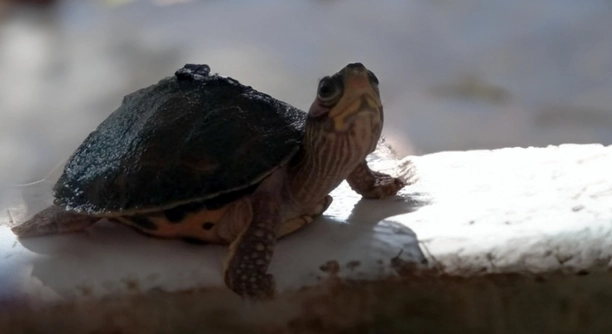
Indian Roofed Tortoises are popular pets known for their unique appearance and calm nature. However, their social behavior with other tortoises can be a concern for some owners. Understanding their compatibility with other species is essential for a harmonious environment.
Indian Roofed Tortoises can live with other tortoises if they are compatible in size and temperament. However, territorial behavior or food competition may arise, so it is crucial to monitor interactions carefully. Ensure adequate space and resources for all tortoises.
With the right conditions, your tortoises can thrive together. We will explore essential factors that influence their compatibility and offer tips for managing their living arrangements.
Understanding Indian Roofed Tortoise Behavior
Indian Roofed Tortoises are generally peaceful creatures, but they can be territorial, especially in smaller spaces. These tortoises often exhibit dominant behavior when it comes to food, space, or mating. If you plan on housing them with other tortoises, it’s essential to consider their individual personalities and needs. A calm, well-fed Indian Roofed Tortoise might be more tolerant of other tortoises, but one that is stressed or hungry may show aggression.
It’s important to provide plenty of space for each tortoise to ensure they don’t feel threatened. A larger enclosure with hiding spots and basking areas can help reduce territorial disputes. Additionally, feeding them separately can prevent food-related fights. When introducing new tortoises, monitor their behavior closely to ensure no one gets injured.
By understanding the behavior of your Indian Roofed Tortoise and managing their environment carefully, you can reduce conflicts and encourage peaceful coexistence. This approach can make living with other tortoises possible and enjoyable for both pets and owners.
Selecting Compatible Species
Some species of tortoises get along better with others than others. Indian Roofed Tortoises typically do well with similar-sized species.
It is essential to select tortoises that share similar needs, such as diet, temperature preferences, and activity levels. Species like the Red-footed Tortoise or Leopard Tortoise can sometimes coexist peacefully with the Indian Roofed Tortoise due to their similar care requirements. However, species that have more dominant behaviors, such as the Sulcata Tortoise, may not be ideal companions. Their larger size and stronger territorial instincts could cause stress or aggression.
If you do decide to house different species together, it’s best to introduce them gradually and observe their interactions. Monitoring their behavior in the early stages is crucial for ensuring that they coexist without stress or injury. If any signs of aggression or dominance appear, you may need to separate them for their well-being.
Space Requirements for Multiple Tortoises
When housing multiple tortoises together, space is crucial. A small enclosure can lead to territorial disputes, causing stress and even injury.
Each tortoise needs enough room to roam, bask, and explore. For two Indian Roofed Tortoises, a minimum of 80 square feet is recommended. Larger enclosures are ideal, as they provide more opportunities for each tortoise to establish its own territory. Adding various hiding spots and basking areas can also help reduce the chances of conflict. It’s essential to ensure the space is safe and escape-proof.
The more space you provide, the less likely the tortoises will feel crowded or stressed. A larger enclosure also offers the benefit of easy monitoring, allowing you to quickly spot any signs of aggression or discomfort. Keeping their living environment spacious and enriched ensures a healthier and happier life for each tortoise.
Feeding and Resource Distribution
Feeding time can be a point of contention between tortoises, especially when they are housed together. To prevent competition, it’s best to feed each tortoise separately.
Feeding them in different areas of the enclosure can help reduce stress and allow each tortoise to eat without feeling threatened. This approach not only minimizes conflict but also ensures that each tortoise gets enough food, especially if you have one that is more dominant. Fresh vegetables, fruits, and proper protein sources should be available for each tortoise.
Establishing a routine for feeding time can also help reduce aggression. It’s important to provide enough food for each tortoise, avoiding any competition that may arise from inadequate resources. By managing feeding and resources thoughtfully, you can ensure a peaceful environment and encourage healthy growth for all your tortoises.
Temperament Considerations
The temperament of each tortoise plays a significant role in their compatibility with others. Some may be more territorial, while others are more docile.
Observing each tortoise’s behavior before introducing them to others can help gauge their temperament. Indian Roofed Tortoises are typically calm but may show aggression when they feel threatened or overcrowded. It’s important to know their personality traits before mixing them with other species.
The temperament of other tortoises in the group is also essential. If one tortoise is more dominant, it may push the others around. Providing enough space and observing each tortoise’s behavior can help in determining the best living arrangement.
Gender Differences in Compatibility
Male tortoises are often more territorial and aggressive than females, especially during mating seasons.
If you house multiple tortoises together, it’s better to mix males and females only if their space is large enough to avoid conflicts. Male-to-male interactions can be particularly challenging, as they may engage in aggressive behavior, especially if they’re competing for mates or territory. If you notice any fighting or aggressive behavior, it’s best to separate the males to avoid injury.
Monitoring Tortoise Interactions
Even with careful planning, it’s important to monitor the tortoises’ interactions regularly.
Keep an eye on their social behavior, especially in the early stages of cohabitation. Look for signs of stress, such as hiding more than usual, lack of appetite, or physical harm. By monitoring interactions, you can catch problems early and address them before they escalate.
FAQ
Can Indian Roofed Tortoises live with other species of tortoises?
Yes, Indian Roofed Tortoises can live with other species if their care requirements are similar. It’s important to choose species with comparable size, diet, and environmental needs. Smaller or more territorial species may not be ideal companions, as they could cause stress or aggression. Monitoring their interactions carefully can help avoid problems. Introducing tortoises gradually to each other and ensuring there is enough space and resources is essential for successful cohabitation.
What size enclosure do Indian Roofed Tortoises need when living with others?
The minimum recommended size for two Indian Roofed Tortoises is around 80 square feet. If you plan to keep more than two, you should increase the space accordingly. Each tortoise needs room to roam, bask, and explore. The more space you provide, the less likely it is for territorial disputes to occur. Enclosures should also be equipped with multiple basking areas, hiding spots, and feeding stations to accommodate the tortoises’ needs. If possible, larger enclosures reduce stress and offer more opportunities for each tortoise to establish its own territory.
How do I know if my tortoises are getting along?
Signs that tortoises are getting along include calm behavior, shared basking spots, and a lack of physical confrontation. However, it’s essential to observe them closely during the first few weeks. If there’s any biting, chasing, or attempts to dominate, these may be signs of conflict. Avoiding these behaviors often requires separation or reorganization of the enclosure. If one tortoise is consistently bullying or stressing others, it might need to be housed alone.
What should I do if my tortoises start fighting?
If your tortoises start fighting, separate them immediately to prevent injury. It’s important to address the root cause of the aggression. Common reasons for fights include overcrowding, competition for food, or dominance issues. After separating them, review the enclosure setup. Ensure there is enough space, hiding spots, and feeding stations for each tortoise. If the fighting persists, you may need to consider keeping them in separate enclosures to avoid further conflict.
Do I need to feed tortoises separately when housing them together?
Yes, feeding tortoises separately is highly recommended when they are housed together. This prevents competition for food and allows each tortoise to eat at its own pace. Feeding in different areas of the enclosure can reduce aggression and ensure that all tortoises get their required nutrients. If they’re fed in the same spot, more dominant tortoises may eat more, leaving others hungry.
Can I keep male tortoises together?
Male tortoises, especially during mating seasons, can be more territorial and aggressive. Male-to-male interactions often lead to dominance struggles, which can result in injury or stress. It’s generally better to house male tortoises separately unless you have a large enclosure with enough space for each to establish their own territory. If you notice aggression or fighting, separating the males is the best solution.
How do I manage territorial behavior among my tortoises?
Managing territorial behavior requires providing enough space and resources to reduce competition. A larger enclosure with multiple basking spots, hiding places, and feeding stations can help each tortoise feel secure in its own area. Additionally, observing their interactions and responding quickly to any signs of aggression can prevent territorial disputes from escalating. If territorial issues persist, consider separating the tortoises or reconfiguring the enclosure to give each tortoise more personal space.
Should I mix Indian Roofed Tortoises with other animals?
It’s not advisable to mix tortoises with other types of animals, especially smaller pets. Tortoises can become stressed by the presence of other species and may not get along well with them. Certain animals, such as rabbits or guinea pigs, may stress out tortoises, while some animals might even pose a threat to them. If you want to keep other animals in the same space, be sure to research their compatibility thoroughly and observe their behavior carefully.
What happens if tortoises don’t get along?
If tortoises don’t get along, they can become stressed, which may lead to a variety of health issues such as poor appetite, weight loss, or even injury. Aggressive behavior can also cause physical harm like bites or shell damage. It’s essential to monitor their behavior closely, especially when introducing new tortoises. If necessary, separate the tortoises to prevent harm. Stress can also lead to long-term health problems, so it’s crucial to address conflicts early.
How often should I monitor my tortoises’ interactions?
It’s crucial to monitor tortoises’ interactions daily, especially during the first few weeks of cohabitation. Look for signs of stress, such as excessive hiding, lack of appetite, or physical injury. Once the tortoises are more accustomed to each other, you can reduce the frequency of observation, but it’s still important to check in regularly. Even well-established groups may experience occasional conflicts, so keeping an eye on their behavior ensures any issues are caught early.
Can I house different types of tortoises together?
Housing different types of tortoises together can work, but it requires careful selection of species with similar care needs. For example, pairing an Indian Roofed Tortoise with a species that has similar size, diet, and temperature preferences is often successful. However, more dominant species or those with significantly different environmental requirements should not be housed together. Always research each species’ needs before attempting cohabitation.
How do I prevent food-related conflicts among tortoises?
To prevent food-related conflicts, always feed tortoises separately in different parts of the enclosure. Providing enough food for each tortoise and ensuring it is evenly distributed helps reduce competition. If possible, set up multiple feeding stations to allow each tortoise to eat at its own pace. This approach also minimizes the risk of one tortoise eating too much while others go hungry.
What should I do if one tortoise is bullying others?
If one tortoise is bullying others, it’s important to assess the cause of the behavior. Bullying could stem from territoriality, dominance, or competition for food. If the behavior doesn’t stop, you may need to separate the tortoise from the group. Increasing the size of the enclosure or adding more hiding spots and food stations might help reduce aggression. If bullying persists despite these changes, keeping the aggressive tortoise alone may be the best solution.
Final Thoughts
When it comes to keeping Indian Roofed Tortoises with other tortoises, success relies heavily on creating the right environment and understanding the individual needs of each species. Indian Roofed Tortoises can live peacefully with other tortoises, but it requires careful planning and observation. It’s crucial to ensure that their care requirements are similar, such as diet, space, and temperature. Proper enclosure size is also a key factor. The more room they have, the less likely they are to feel stressed or territorial. Providing multiple basking spots and hiding places helps reduce potential conflicts.
Monitoring the behavior of your tortoises is essential. Even with proper setup, conflicts can arise. Regular observation helps identify any signs of aggression or stress, allowing you to act quickly. If fights occur, separate the tortoises immediately to prevent injury. Keeping tortoises together successfully is about ensuring they have enough space and resources, as well as being mindful of their personalities. Some tortoises may be more dominant or territorial, making it harder for them to coexist with others. In such cases, giving them their own space may be the best solution.
Ultimately, the well-being of each tortoise is the most important factor. Whether they live alone or with others, creating a safe and comfortable environment will contribute to their happiness and health. The key is understanding their natural behaviors and needs and ensuring that they have the right setup to thrive. With patience and careful management, your tortoises can coexist peacefully, providing a rewarding experience for both them and you.

Hello,
If you enjoy the content that we create, please consider saying a "Thank You!" by leaving a tip.
Every little bit helps us continue crafting quality advice that supports the health, happiness, and well-being of pets around the world, for pets of all shapes, sizes, and species.
We really appreciate the kindness and support that you show us!