
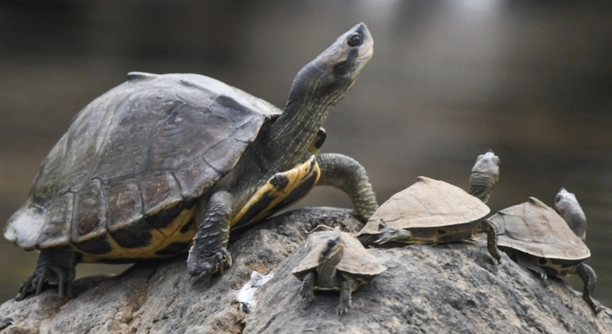
The Indian Roofed Tortoise is a popular pet known for its distinct appearance and calm demeanor. However, like all pets, it can become unwell. Understanding how to spot the signs of illness is important for its well-being.
Recognizing a sick Indian Roofed Tortoise involves observing physical and behavioral changes. Warning signs include lack of appetite, abnormal movement, respiratory issues, shell problems, lethargy, watery eyes, and changes in droppings. Early detection is key to effective treatment.
Knowing these signs will help you take the right steps for your tortoise’s health. Continue reading to learn how to keep your tortoise happy and healthy.
Identifying Physical Changes in Your Tortoise
One of the first signs that your Indian Roofed Tortoise may be unwell is a noticeable change in its appearance. The shell, being its primary defense, can give you important clues. If the shell appears soft, damaged, or has unusual discoloration, it may indicate a health issue. Additionally, check for any swelling, bumps, or lesions on the body, as these could signal infections or other problems. A healthy tortoise should have a firm, smooth shell, and its skin should appear clean and free from sores.
If you notice any of these changes, it’s important to seek advice from a veterinarian. Over time, untreated shell problems can worsen, leading to more serious complications. Maintaining your tortoise’s shell health is essential, as it protects internal organs from injury and infection. Regular cleaning of the shell can also prevent harmful bacteria from settling, keeping it in good condition.
Always observe your tortoise for any subtle shifts in appearance. Early detection is key to managing its health before a problem becomes more difficult to treat.
Changes in Behavior and Movement
Behavioral shifts can also signal that your tortoise is not feeling well. Tortoises are naturally slow-moving and quiet, but if your tortoise suddenly becomes unusually lethargic or stops moving altogether, it’s a warning sign. A healthy tortoise is usually active and will spend time foraging, climbing, or exploring its environment. When these behaviors stop, it’s important to consider what could be wrong.
In many cases, a decrease in activity can be linked to a variety of factors such as improper temperature, stress, or illness. For instance, if your tortoise is spending more time in its hideaway or staying in one spot for long periods, it may be a sign of discomfort or illness. This could also be accompanied by reduced appetite or drinking habits.
If these changes last for more than a few days, it’s crucial to investigate further. A professional veterinarian can help you pinpoint the issue and recommend treatment. Keeping your tortoise’s habitat properly regulated, including the right temperature and humidity, can support its health and prevent some common ailments.
Respiratory Issues to Watch For
Respiratory problems are common in reptiles, and your Indian Roofed Tortoise is no exception. Symptoms of a respiratory infection include wheezing, labored breathing, or mucus around the nose and mouth. If your tortoise begins making odd sounds while breathing, it may be struggling to breathe properly, which is a clear sign of illness. These symptoms could indicate an upper respiratory infection, which often develops from poor environmental conditions or sudden temperature changes.
Respiratory infections can be very serious if left untreated. If your tortoise seems to be struggling to breathe, consult a veterinarian immediately. In many cases, respiratory infections require antibiotics to clear up the infection and prevent it from spreading. If not treated, these infections can progress to more severe complications, such as pneumonia.
Keep an eye on your tortoise’s respiratory health by ensuring that its habitat remains at the proper temperature and humidity levels. Regularly clean its enclosure to prevent bacterial buildup, which can contribute to respiratory issues.
Changes in Eating and Drinking Habits
A decrease in appetite is one of the most obvious signs that something might be wrong with your tortoise. If your Indian Roofed Tortoise refuses food for an extended period, it’s crucial to monitor its health closely. Sometimes, a change in diet or a new feeding schedule can cause a temporary loss of appetite. However, consistent refusal to eat often points to underlying issues such as digestive problems or stress.
A tortoise’s hydration is just as important as its food intake. If you notice your tortoise drinking significantly less water than usual or not drinking at all, dehydration could be a concern. This can lead to further health problems, including kidney issues. To prevent dehydration, always provide fresh water and offer foods with high water content. Keep an eye on the amount of food and water consumed daily. If any significant changes occur, it’s best to consult a veterinarian.
If your tortoise starts eating again but has a sudden change in what it prefers to eat, this could also be a warning sign. A tortoise’s natural diet includes leafy greens, fruits, and some protein. If it starts avoiding certain types of food or eating only one type, it could indicate a health concern. Keep track of any changes in behavior around food and seek professional advice if the issue persists for more than a few days.
Abnormal Droppings
Healthy droppings are an important sign of a well-functioning digestive system. If you notice any drastic changes in your tortoise’s droppings, it may be a signal that something is wrong. Abnormal droppings may include diarrhea, undigested food, or strange coloration. These changes can result from poor diet, infections, or even stress.
Diarrhea is a serious issue and can lead to dehydration if not addressed quickly. If your tortoise’s droppings appear watery or runny, it’s important to monitor its behavior and environment closely. Often, diarrhea is a sign of a bacterial or parasitic infection, and treatment should be sought immediately. In some cases, dietary changes or imbalanced nutrition can also lead to gastrointestinal issues, so review what your tortoise has been eating.
Additionally, pay attention to any visible changes in the color or consistency of the droppings. For example, if the droppings have a red or orange tint, it could be a sign of internal bleeding or an issue with the digestive tract. If you notice any unusual patterns, a veterinarian’s help is essential to properly diagnose and treat the issue before it worsens.
Swelling or Bloating
Swelling in your tortoise could be a sign of an underlying health issue. This could occur in the limbs, head, or even the abdomen. If the swelling is sudden or unexplained, it’s time to investigate further.
A swollen or bloated abdomen could indicate a digestive blockage, kidney problems, or internal infections. If you notice this along with other symptoms like lethargy, loss of appetite, or difficulty moving, it’s crucial to seek veterinary help. Swelling can also be linked to issues like egg binding in females. Addressing the root cause as soon as possible will prevent complications.
Shell Problems
Your tortoise’s shell is its most important feature for protection. If you notice cracks, soft spots, or lesions, something is wrong. Shell problems often arise from malnutrition, poor humidity levels, or infections. In severe cases, the shell can become deformed.
A healthy shell should be hard and smooth. If the shell is soft or exhibits abnormal growths, this could indicate calcium deficiency, dehydration, or other health issues. Regularly inspect the shell for any changes and provide proper nutrition, including calcium supplements. It’s essential to maintain proper humidity and temperature to prevent these issues from worsening.
Abnormal Eyes
Your tortoise’s eyes can offer insight into its overall health. Watery, swollen, or crusty eyes are warning signs. If you notice your tortoise squinting or having trouble opening its eyes, an eye infection may be present.
Eye infections in tortoises can be caused by poor environmental conditions, such as improper humidity or unsanitary living spaces. These infections can worsen without treatment, leading to more serious complications. If your tortoise’s eyes are constantly watery, discharge is present, or it seems to be in pain, it’s time to consult with a veterinarian to prevent lasting damage.
FAQ
How do I know if my tortoise is dehydrated?
Dehydration in tortoises is common and can be identified through a few key signs. If your tortoise’s skin appears loose or its eyes are sunken, it may be dehydrated. Another indicator is if the tortoise isn’t drinking water or is producing very little urine. In some cases, the feces may be dry and hard. To prevent dehydration, ensure fresh water is available at all times and offer foods with high water content, like leafy greens. If you suspect dehydration, increase hydration efforts by soaking your tortoise in warm water for about 20 minutes a day.
What temperature should my tortoise’s enclosure be?
Indian Roofed Tortoises thrive in temperatures between 75°F and 85°F (24°C to 29°C). A basking area should be slightly warmer, reaching 90°F to 95°F (32°C to 35°C). It’s essential to have a gradient of temperatures in the enclosure, so your tortoise can regulate its body temperature. Too much heat or cold can lead to stress, digestive problems, and other health issues. Make sure to monitor temperatures regularly using thermometers and adjust the heat source accordingly to maintain an optimal environment for your tortoise.
How can I prevent my tortoise from getting sick?
To keep your Indian Roofed Tortoise healthy, it’s essential to maintain a clean, well-regulated environment. Regularly clean the enclosure to remove waste and bacteria. Ensure proper humidity levels and temperature regulation to avoid respiratory and shell problems. A balanced diet rich in leafy greens, some fruits, and occasional protein will support its immune system. Avoid sudden temperature changes, as they can lead to stress or respiratory issues. Offering a variety of enrichment, like hiding spots or different textures in the habitat, can also reduce stress and promote mental well-being.
What should I feed my Indian Roofed Tortoise?
A proper diet is crucial for your tortoise’s health. The majority of its diet should consist of leafy greens such as collard greens, dandelion greens, and mustard greens. You can also feed it occasional fruits like strawberries or papaya, but these should be limited due to their high sugar content. Avoid feeding your tortoise processed or high-fat foods. It’s important to include calcium-rich foods like kale or add a calcium supplement to its diet to support shell and bone health. Fresh water should always be available, and some tortoises may also benefit from occasional protein sources like worms or insects.
Why is my tortoise not eating?
If your tortoise suddenly refuses to eat, there could be several reasons. Stress from changes in its environment or improper temperature or humidity levels is common. Additionally, tortoises can fast during colder months, as their metabolic rate slows down. Illnesses like respiratory infections or gastrointestinal problems can also cause a lack of appetite. Monitor the enclosure conditions and check for any signs of illness, such as changes in appearance, movement, or droppings. If the refusal to eat lasts for more than a few days, it’s important to consult a veterinarian for further guidance.
How often should I clean my tortoise’s enclosure?
Cleaning your tortoise’s enclosure is crucial for its health and well-being. Spot-clean the enclosure daily by removing waste and uneaten food to prevent bacteria from building up. A more thorough cleaning should be done every two weeks. This involves cleaning the substrate, washing the water bowl, and disinfecting any surfaces. If your tortoise has soiled the basking area or hide, it’s important to clean that area immediately to prevent the spread of bacteria. Keeping the enclosure clean helps reduce the risk of infections and maintains a comfortable living space for your tortoise.
Can my tortoise live outside?
Indian Roofed Tortoises can live outdoors if the climate is appropriate. They need a warm, dry environment with access to shaded areas to regulate their body temperature. An outdoor enclosure should have secure fencing to prevent escape and be large enough to allow your tortoise to roam. Make sure the enclosure has places to hide and a shallow water source for drinking and soaking. If the climate gets too cold during the winter, it’s best to bring your tortoise indoors to avoid exposure to temperatures that could lead to illness or even death.
How can I tell if my tortoise has a respiratory infection?
Signs of respiratory infections in tortoises include wheezing, labored breathing, nasal discharge, or swollen eyes. If your tortoise seems to be struggling to breathe or is showing signs of lethargy, it’s crucial to seek veterinary care. Respiratory infections can worsen quickly and may lead to pneumonia if untreated. Keeping your tortoise in the proper temperature and humidity range can help prevent respiratory issues. If you suspect your tortoise has a respiratory infection, get professional treatment immediately to prevent further complications.
Why is my tortoise’s shell soft?
A soft shell can indicate a lack of calcium or vitamin D3 in your tortoise’s diet. These nutrients are essential for shell health and proper bone development. A soft shell is also a sign of dehydration or metabolic bone disease, which can result from improper diet or habitat conditions. To correct this, ensure your tortoise is eating calcium-rich foods and that it has access to UVB light to help with calcium absorption. If the problem persists, consult a veterinarian to determine if there’s an underlying health issue that needs treatment.
Is it normal for my tortoise to sleep a lot?
Tortoises are naturally more active during the day but can sleep for extended periods, especially if the temperature in their environment isn’t optimal. A tortoise may also sleep more during colder months when their metabolism slows down. However, excessive sleep or lethargy could indicate stress or illness. If your tortoise is not eating, drinking, or moving much in addition to sleeping a lot, it may have a health problem that requires attention. Always monitor your tortoise’s behavior and environment closely to ensure it is comfortable and healthy.
Final Thoughts
Taking care of an Indian Roofed Tortoise requires attention to its environment, diet, and overall health. These tortoises can live long, healthy lives if provided with the right conditions and regular care. It’s essential to monitor their enclosure temperature and humidity levels, as well as ensure that their diet consists of fresh, nutritious foods. Maintaining a clean living space and offering opportunities for natural behavior are also key to preventing sickness and keeping your tortoise happy.
Understanding the warning signs of illness in your tortoise will help you address any health issues early on. If you notice changes in behavior, such as a loss of appetite, lethargy, or changes in the shell or eyes, it’s important to act quickly. These symptoms could indicate dehydration, infection, or other serious health problems. Regular check-ups with a reptile vet can also help keep your tortoise in good health and catch potential issues before they become severe.
Caring for an Indian Roofed Tortoise can be rewarding, but it also requires responsibility. These creatures depend on their owners for a proper environment, balanced nutrition, and health care. By staying informed and attentive, you can ensure that your tortoise thrives for many years. Always make adjustments as needed, and don’t hesitate to seek professional advice if you’re unsure about any aspect of their care.

Hello,
If you enjoy the content that we create, please consider saying a "Thank You!" by leaving a tip.
Every little bit helps us continue crafting quality advice that supports the health, happiness, and well-being of pets around the world, for pets of all shapes, sizes, and species.
We really appreciate the kindness and support that you show us!