
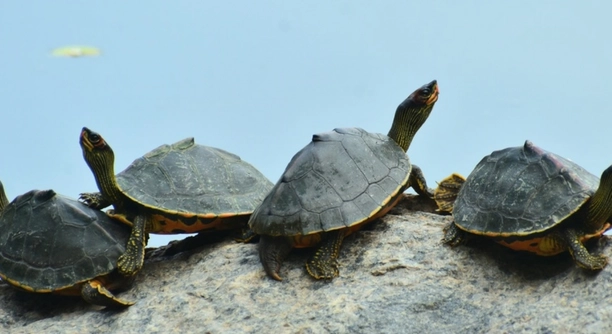
Setting up a comfortable habitat for an Indian Roofed Tortoise can be both exciting and affordable. With some planning and the right materials, you can create an ideal environment without overspending.
Creating a budget-friendly habitat for an Indian Roofed Tortoise involves selecting cost-effective materials such as repurposed containers, natural elements like rocks and plants, and simple heat sources. Ensuring proper ventilation and humidity will help keep your tortoise healthy and comfortable.
By focusing on these simple yet effective tips, you can give your tortoise a happy, well-suited home while keeping costs low.
Choosing the Right Enclosure
When setting up a habitat for your Indian Roofed Tortoise, the enclosure is one of the most important aspects. A simple, budget-friendly option can be a plastic or wooden container, such as a large storage bin. It provides ample space while being affordable. Ensure that the sides are high enough to prevent your tortoise from escaping, while still allowing for proper ventilation.
You can also use a small wooden shed if you prefer something sturdier. Just make sure there is enough room for the tortoise to move around and explore. Add a simple lid or mesh top for easy access while keeping the tortoise safe inside.
For the flooring, consider using reptile-safe substrates like coconut fiber or soil. These materials are inexpensive and mimic the natural environment. Be sure to maintain proper humidity by lightly misting the substrate. Also, avoid using sand as it can be too dry and cause health issues for your tortoise.
Proper Lighting and Heat Source
A basic heat lamp can serve as an effective heat source. Ensure that the light is placed high enough to avoid burns but still provides warmth. An ultraviolet (UV) bulb is also necessary to ensure proper calcium absorption.
A UV light can be placed over a basking area to simulate natural sunlight. This helps your tortoise stay healthy and active. For heat, use a lamp or ceramic heat emitter. Avoid traditional light bulbs as they can be too intense for your tortoise.
Heating pads or stones can be used for a more consistent heat source. Place them on one side of the enclosure to create a temperature gradient. This allows the tortoise to regulate its body temperature effectively by moving to cooler or warmer spots when needed.
Providing Natural Hiding Spots
Indian Roofed Tortoises enjoy having a space where they can retreat and feel safe. Adding simple hiding spots, like rocks, logs, or a small box, can provide them with much-needed privacy. This helps them feel secure in their environment.
Hiding spots are easy to make using inexpensive natural materials. A small cardboard box, half-buried in the substrate, can offer a cozy retreat. You can also use pieces of bark or rocks to create caves or tunnels. Ensure the spots are not too confined, as the tortoise needs space to move comfortably.
Adding a few plants around the enclosure, such as low-maintenance succulents or leafy greens, can provide both shelter and enrichment. Tortoises love exploring their environment, and these elements encourage them to be active. Plus, they don’t require much upkeep and are quite affordable.
Water Source and Hydration
A shallow water dish is a must-have in your tortoise’s habitat. It provides hydration and helps with thermoregulation. Choose a dish that is easy for your tortoise to access but deep enough to prevent it from spilling or making a mess.
A simple, shallow plastic or ceramic dish works well. Just make sure it’s cleaned regularly to prevent bacterial growth. Some tortoises enjoy soaking, so you can also consider adding a larger, shallow container where they can wade through the water if they choose. This will help keep your tortoise hydrated and clean.
Make sure the water is changed frequently, especially in warm weather, as it can get dirty quickly. This is a low-cost yet essential way to ensure your tortoise stays hydrated and comfortable.
Substrate Options
Coconut coir, shredded paper, or simple soil can serve as excellent, budget-friendly substrates for your tortoise’s habitat. These options mimic the natural environment and are easy to maintain. Coconut coir is especially good at retaining moisture and provides a soft surface for your tortoise.
Avoid using sand or gravel, as these can be harmful to your tortoise’s digestive system if ingested. Instead, focus on natural substrates that are easy to clean and replace. A combination of coconut coir and soil works well for maintaining proper humidity and comfort.
You don’t need to spend a lot on fancy substrates. Simple, affordable materials can keep your tortoise comfortable and healthy.
Basking Area
A basking area is essential for your tortoise to regulate its temperature and absorb UV light. A flat rock or a piece of ceramic tile can be used as a basking surface. Place it under a heat source to ensure your tortoise can warm up when needed.
Make sure the basking area is positioned to maintain the right temperature gradient. The basking spot should be warm but not too hot for your tortoise to handle comfortably. Additionally, make sure it’s large enough for the tortoise to move around and enjoy the warmth.
A simple basking area can be created without high costs, just ensure it’s easily accessible and properly positioned.
Cheap and Effective Decorations
Adding a few decorations can enrich your tortoise’s habitat. Low-maintenance plants, like succulents, can be used to decorate the enclosure while providing some natural cover. Rocks, branches, and logs can serve as both shelter and enrichment, giving your tortoise opportunities to climb and explore.
FAQ
How much space does an Indian Roofed Tortoise need?
An Indian Roofed Tortoise requires a space large enough for it to roam freely. A minimum of 40 to 50 gallons of space is ideal for one tortoise. However, the more space you provide, the better. Larger enclosures encourage exploration and physical activity, which are important for its health. You can use a plastic bin, wooden box, or even a small shed, as long as it offers enough space for the tortoise to move around comfortably.
Can I use any plants in the habitat?
Not all plants are safe for your tortoise. Stick to non-toxic, low-maintenance plants like succulents, dandelions, and clover. Avoid using plants with sharp leaves or toxic chemicals. Some plants like aloe vera, lilies, and ivy can be harmful if consumed. It’s important to do research before adding plants to ensure they’re safe for your tortoise.
What should I feed an Indian Roofed Tortoise?
An Indian Roofed Tortoise is primarily herbivorous, feeding on a variety of greens, flowers, and vegetables. Leafy greens such as dandelion leaves, collard greens, and kale are great options. You can also offer edible flowers like hibiscus and nasturtiums. Avoid feeding it too much fruit, as it can upset its digestive system. It’s best to offer a variety of foods and occasionally supplement with calcium powder for stronger shells.
How often should I clean the enclosure?
The enclosure should be cleaned at least once a week to prevent bacteria buildup. Replace the substrate every few months to ensure it stays fresh and clean. Regularly wash the water dish and basking area. Spot-clean daily by removing waste and uneaten food to maintain a healthy living space for your tortoise.
Do Indian Roofed Tortoises need UV light?
Yes, UV light is essential for an Indian Roofed Tortoise. UVB light helps them synthesize vitamin D3, which is needed for calcium absorption and overall health. Without proper UV light, your tortoise may develop metabolic bone disease. A UVB light should be on for 10 to 12 hours a day, and it needs to be replaced every 6 months, as the UVB output diminishes over time.
How do I maintain humidity in the enclosure?
Maintaining the right humidity is crucial for the health of your Indian Roofed Tortoise. The enclosure should have a humidity level of 50 to 60%. You can maintain humidity by lightly misting the enclosure once or twice a day. Additionally, use a substrate that holds moisture well, like coconut coir. Avoid letting the enclosure become too damp, as this can lead to respiratory problems.
What temperature should the enclosure be?
The enclosure temperature should range from 75°F to 85°F throughout the day. The basking area should be around 95°F to 100°F, while the cooler side of the enclosure can be around 70°F to 75°F. It’s important to provide a temperature gradient so your tortoise can move between warm and cool areas depending on its needs. A reliable thermometer can help you monitor the temperatures accurately.
How do I handle my Indian Roofed Tortoise?
Indian Roofed Tortoises generally don’t enjoy being handled much. They prefer to stay in their habitat where they feel safe. However, you can gently pick them up for short periods if necessary. Always support their body, especially the bottom, to avoid injuring them. Try not to handle them too often, as stress can negatively impact their health.
Can I keep more than one tortoise in the same habitat?
It is possible to house multiple Indian Roofed Tortoises together, but it requires careful consideration. If you plan on housing more than one tortoise, ensure the enclosure is large enough to provide ample space for each tortoise. Overcrowding can lead to stress and territorial behavior, which might result in fighting. Also, be cautious when introducing new tortoises to avoid the spread of diseases.
What are the signs of a healthy tortoise?
A healthy Indian Roofed Tortoise should have clear, bright eyes, an active demeanor, and a hard, smooth shell. Its skin should be free from wounds, and it should eat regularly. If your tortoise is lethargic, refuses food, or has a swollen or soft shell, these may be signs of illness, and you should consult a vet.
How long do Indian Roofed Tortoises live?
Indian Roofed Tortoises can live up to 50 years in captivity if they are properly cared for. Their lifespan depends on factors such as diet, habitat, and overall health. Providing the right environment and care can help your tortoise live a long and healthy life.
What do I do if my tortoise isn’t eating?
If your tortoise stops eating, check its habitat conditions first. Ensure that the temperature, humidity, and lighting are all appropriate. Sometimes, stress or illness can cause a loss of appetite. If the issue persists for more than a few days, it’s best to consult with a vet to rule out any underlying health problems.
Do I need to provide a substrate for my tortoise to dig in?
Yes, Indian Roofed Tortoises enjoy digging. Providing a substrate that’s deep enough for digging allows your tortoise to exhibit natural behaviors. A mixture of soil and coconut coir works well, as it’s easy to dig through and retains moisture. Ensure the substrate is deep enough to accommodate this natural behavior.
Can I use sand in my tortoise’s habitat?
It’s generally not recommended to use sand in your Indian Roofed Tortoise’s habitat. Sand can be too dry, and ingesting it may cause digestive issues. Additionally, it doesn’t retain moisture well, which can lead to improper humidity levels in the enclosure. Stick to more natural substrates like coconut coir or soil.
What kind of basking surface is best?
A flat, smooth surface like a rock or ceramic tile is ideal for the basking area. These materials retain heat well and provide a comfortable spot for your tortoise to soak up the warmth. Ensure the surface is clean and free from sharp edges that could harm your tortoise.
Is it okay for my tortoise to eat weeds from outside?
While some weeds are safe for your tortoise, be cautious about where they come from. Weeds from areas that have been sprayed with pesticides or fertilizers should be avoided. Make sure the weeds are free of chemicals and haven’t been in contact with harmful substances. Always wash them thoroughly before offering them to your tortoise.
Final Thoughts
Setting up a habitat for your Indian Roofed Tortoise can be a rewarding experience. By considering their specific needs, such as proper lighting, temperature, and space, you can create an environment that promotes their health and well-being. The key is to focus on simplicity while providing all the essentials, from the right substrate to safe plants and proper UV lighting. The more attention you give to these details, the more your tortoise will thrive.
When setting up a budget-friendly habitat, there are many ways to save without compromising quality. For example, using inexpensive materials like coconut coir for substrate, or even repurposing household items for the enclosure, can help reduce costs. It’s also possible to find affordable UV lighting and heating sources that will keep your tortoise comfortable. A little creativity and effort can go a long way in making your tortoise’s home both functional and affordable.
Remember, the well-being of your Indian Roofed Tortoise depends on the environment you provide. With proper care and attention, your tortoise can live a long, healthy life. Consistently monitor the habitat conditions and make adjustments as needed. While it might seem overwhelming at first, once you establish a routine, it becomes easier to maintain. By following these simple guidelines, you can ensure your tortoise enjoys a safe, happy, and healthy home.

Hello,
If you enjoy the content that we create, please consider saying a "Thank You!" by leaving a tip.
Every little bit helps us continue crafting quality advice that supports the health, happiness, and well-being of pets around the world, for pets of all shapes, sizes, and species.
We really appreciate the kindness and support that you show us!