
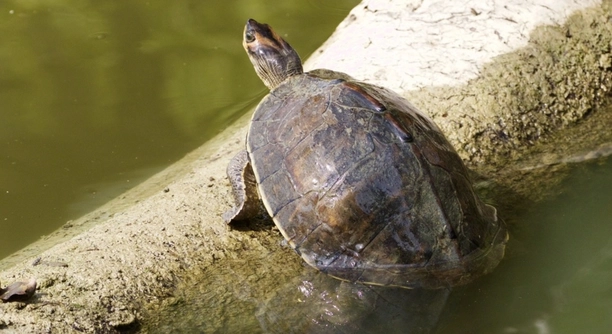
If your Indian roofed tortoise is suddenly becoming aggressive, it can be confusing and concerning. Understanding the reasons behind this behavior is essential to address it properly and ensure your pet’s well-being.
Aggression in Indian roofed tortoises can result from stress, improper environment, or even hormonal changes. Providing a proper habitat, minimizing stress, and addressing any underlying health issues are essential steps in resolving this behavior.
Learning how to manage these changes effectively will help restore balance and calm to your tortoise, improving its overall happiness and health.
Common Causes of Aggression in Indian Roofed Tortoises
Aggression in Indian roofed tortoises can stem from several factors, with environmental stress being one of the most frequent causes. Tortoises are highly sensitive to their surroundings, and changes in their habitat can cause anxiety. If the enclosure is too small, overcrowded, or poorly maintained, the tortoise may act out. Temperature and humidity fluctuations can also contribute to stress, making the tortoise more irritable. Additionally, if your tortoise is housed with other animals, territorial disputes can lead to aggressive behavior. Hormonal changes, particularly during breeding seasons, are also a significant cause of aggression. These factors can trigger a shift in your tortoise’s temperament.
Inadequate care, like poor diet or insufficient enrichment, can also result in increased aggression. Make sure the tortoise’s environment is appropriate for its species. If your tortoise seems to be attacking its tank mates or becoming unusually defensive, addressing these issues is essential for restoring balance.
Ensuring a stable and stress-free environment for your tortoise is crucial. By providing adequate space, the right temperature, and a proper diet, you can help reduce aggressive behavior and improve its quality of life.
How to Identify Stress Triggers in Your Tortoise
It is important to observe your tortoise’s behavior closely. Aggressive actions such as biting, hissing, or lunging often signal stress.
To identify what might be stressing your Indian roofed tortoise, you need to consider factors such as the temperature of the tank, the quality of the substrate, and whether it has enough space to roam. Also, make sure the lighting and humidity levels are optimal. If your tortoise is housed with others, watch for signs of bullying or competition for food.
A poor diet can lead to nutritional deficiencies, which may also affect its behavior. Ensure the tortoise is fed a varied, balanced diet that suits its needs. Keeping track of these factors will help you pinpoint the cause of the aggression. If it seems to worsen despite changes, consulting a vet for further advice may be necessary.
Managing Territorial Behavior
Territorial behavior is common in tortoises, especially in confined spaces. If your tortoise is suddenly more aggressive, it might be trying to defend its area. This behavior is most noticeable when a new object or animal is introduced into its environment.
To manage territorial aggression, increase the space available to your tortoise. Provide hiding spots, and separate different animals if you have multiple tortoises. This can help reduce tension and prevent fights. Additionally, make sure the environment feels safe and secure. Avoid frequent handling or disturbing the tortoise during its resting periods.
Providing more space and minimizing disturbances can significantly reduce territorial aggression. Be consistent in maintaining a calm and stable environment. This will allow your tortoise to feel more comfortable and reduce the likelihood of stress-induced aggression.
Ensuring Proper Temperature and Humidity
Incorrect temperature and humidity levels can stress a tortoise, leading to aggressive behavior. Indian roofed tortoises need a warm, humid environment to thrive. If their habitat becomes too cold or dry, they may become irritable.
Check your tortoise’s enclosure regularly to ensure that the temperature stays between 85-90°F during the day and drops to around 70°F at night. A basking area should be set at a slightly higher temperature, around 95°F. Additionally, humidity levels should remain between 50-70%. Using a humidity gauge and an accurate thermometer will help you monitor these factors.
By maintaining the proper conditions, your tortoise will feel more secure and less likely to act out aggressively. A well-maintained environment will also help prevent other health issues that can contribute to mood changes.
Addressing Overcrowding
Overcrowding can stress your tortoise, leading to aggression. If there are too many animals in one enclosure, your tortoise might feel threatened and territorial. This can result in defensive or aggressive behavior.
Ensure each tortoise has enough space to move around freely. The general rule is at least 10 square feet per tortoise. If you’re housing multiple tortoises together, consider creating separate enclosures. This will help reduce competition for resources and lessen aggression.
By providing enough space, each tortoise can feel secure and avoid territorial disputes. This simple adjustment can go a long way in improving behavior and reducing aggression.
Diet and Nutrition
A poor diet can contribute to aggression in tortoises. Indian roofed tortoises require a varied diet that includes dark leafy greens, vegetables, and occasional fruit. A lack of proper nutrition can cause stress and irritability.
Ensure your tortoise is getting the right balance of vitamins and minerals. Add calcium and vitamin D3 supplements if needed. Improper calcium intake can lead to health issues, making your tortoise more prone to aggression. A healthy, balanced diet will promote better behavior and overall health.
Regular Observation
Regularly monitoring your tortoise’s behavior is key to understanding its needs. If aggression continues despite adjustments, it may be a sign of underlying health issues. Keep a close eye on changes in appetite, activity, and shell condition.
Make sure your tortoise is comfortable and not showing signs of illness or discomfort. If aggression persists, a vet checkup may be necessary. Regular observation allows you to address problems early and prevent further stress or aggression.
FAQ
What causes an Indian roofed tortoise to become aggressive?
Aggression in Indian roofed tortoises can be caused by several factors. Stress due to overcrowding, improper temperature, or sudden changes in their environment is one of the main reasons. Territorial behavior, hormonal changes during breeding seasons, and even poor diet can also lead to aggressive actions. Tortoises may also become more aggressive if they feel threatened or are unable to establish a safe space within their enclosure.
How can I reduce my tortoise’s aggression?
To reduce aggression, you should first assess your tortoise’s environment. Ensure it has enough space to roam, with plenty of hiding spots and a temperature-controlled enclosure. Address any overcrowding issues and check that your tortoise’s diet is balanced and nutritious. Reducing handling and providing a calm environment will also help minimize stress, making your tortoise feel safer and less aggressive.
Can aggression be a sign of illness in tortoises?
Yes, aggression can sometimes indicate an underlying health problem. If a tortoise is in pain or discomfort, it may become more irritable or aggressive. Check for signs of illness, such as changes in appetite, lethargy, or difficulty moving. If the aggressive behavior persists, a visit to the vet is recommended to rule out any health issues.
How do I know if my tortoise is stressed?
Stressed tortoises may exhibit signs such as aggression, excessive hiding, lack of appetite, or abnormal behavior. A tortoise that is not eating or drinking properly may be under stress. Additionally, if it constantly tries to escape its enclosure or shows defensive behavior towards other animals or people, stress could be the cause. Changes in its shell, such as softening, can also signal stress-related health issues.
What should I do if my tortoise is aggressive toward other animals?
If your tortoise is becoming aggressive towards other animals, consider separating them to prevent further harm. Provide each animal with its own space and ensure that their environment is properly equipped with enough resources like food and shelter. If the aggression continues, observe if there is a specific trigger or if the animals simply do not get along. In some cases, a larger enclosure may help reduce territorial disputes.
Can environmental changes trigger aggression in tortoises?
Yes, sudden changes in a tortoise’s environment can cause stress and lead to aggression. This can include temperature fluctuations, changes in humidity, or moving the tortoise to a new location. It’s important to maintain a stable environment for your tortoise, ensuring the correct lighting, temperature, and humidity levels at all times. Any adjustments should be gradual to minimize stress.
Is it normal for my tortoise to be aggressive during breeding season?
Aggression during breeding season is relatively normal for many tortoises. Hormonal changes can make them more territorial and defensive. Male tortoises may become more aggressive towards other males or even females as they try to establish dominance. While this behavior is natural, it’s important to monitor your tortoise closely and make adjustments to its environment, such as providing additional space or hiding spots, to reduce the chances of aggression.
What should I feed my tortoise to prevent aggression?
A balanced diet is crucial to a tortoise’s overall health and behavior. Indian roofed tortoises should be fed a mix of dark leafy greens, such as collard greens, dandelion greens, and turnip greens. They can also have vegetables like squash and carrots, and small amounts of fruit like berries and melon. Make sure they also get the right amount of calcium and vitamin D3 to support their shell health. A proper diet will help reduce irritability and improve their temperament.
How can I prevent my tortoise from becoming too territorial?
To prevent territorial aggression, ensure your tortoise has enough space. Providing an enclosure that meets the recommended size for your tortoise will help minimize stress. Add hiding places, water areas, and basking spots to create a more natural environment. If you have more than one tortoise, consider keeping them in separate enclosures to prevent territorial disputes. If they do share an enclosure, observe their behavior and separate them if aggression escalates.
Why is my tortoise being aggressive during handling?
Handling can be stressful for tortoises, especially if they feel threatened or uncomfortable. If your tortoise becomes aggressive during handling, it may be because it feels unsafe or is not used to being handled. Try to limit handling sessions, especially during stressful times like breeding season or after a change in its environment. Always handle your tortoise gently and avoid sudden movements that may startle it.
What are the signs that my tortoise is not happy?
A tortoise that is unhappy may display a variety of signs, such as refusal to eat, excessive hiding, or aggression. Other signs to watch for include lethargy, changes in shell appearance, or difficulty moving. It’s essential to ensure that the tortoise’s environment is suitable and that it is receiving proper care. If these signs persist, it may be time for a vet checkup to ensure there are no underlying health issues.
Can I introduce a new tortoise into my existing enclosure?
Introducing a new tortoise into an established enclosure can sometimes lead to aggression. The current tortoise may become territorial, especially if the enclosure is not large enough to accommodate both. If you plan to introduce another tortoise, make sure the enclosure is spacious enough and that each tortoise has its own designated area. Monitor their interactions carefully, and be prepared to separate them if aggression occurs.
How often should I check my tortoise’s enclosure for problems?
It’s important to check your tortoise’s enclosure regularly, at least once a week, for potential issues. Look for signs of temperature and humidity imbalances, as well as any changes in the condition of the substrate or food sources. Make sure the basking area is functional, and ensure there are no signs of aggression or stress between your tortoise and other animals. Regular maintenance helps prevent environmental problems that could lead to stress or aggression.
Final Thoughts
Understanding the reasons behind your Indian roofed tortoise’s sudden aggression is key to addressing the issue effectively. Often, aggression stems from stress, changes in the environment, or even territorial instincts. It’s important to consider all factors—space, temperature, diet, and handling—when determining the cause. Regularly observing your tortoise’s behavior will help you spot early signs of aggression and make necessary adjustments. The sooner you identify the cause, the easier it will be to create a calm, stress-free environment for your tortoise.
By making changes to your tortoise’s habitat, such as providing enough space, hiding spots, and ensuring a stable temperature, you can help reduce its aggressive behavior. In some cases, aggression might be temporary, linked to hormonal changes during breeding season. During such times, it’s crucial to avoid stressing your tortoise further and allow it to feel secure. Additionally, a proper diet will support your tortoise’s physical and mental well-being, ensuring it remains healthy and content. Monitoring its interactions with other animals is equally important to prevent territorial disputes.
If the aggression continues despite these changes, it’s always best to consult a veterinarian. Sometimes, aggression can be linked to underlying health issues that may need professional attention. A vet can help rule out any health problems and offer advice on how to manage your tortoise’s behavior. With proper care and attention, you can help your Indian roofed tortoise return to its usual calm demeanor. Taking the time to understand its needs and responding appropriately will ensure a happier, healthier tortoise.

Hello,
If you enjoy the content that we create, please consider saying a "Thank You!" by leaving a tip.
Every little bit helps us continue crafting quality advice that supports the health, happiness, and well-being of pets around the world, for pets of all shapes, sizes, and species.
We really appreciate the kindness and support that you show us!