
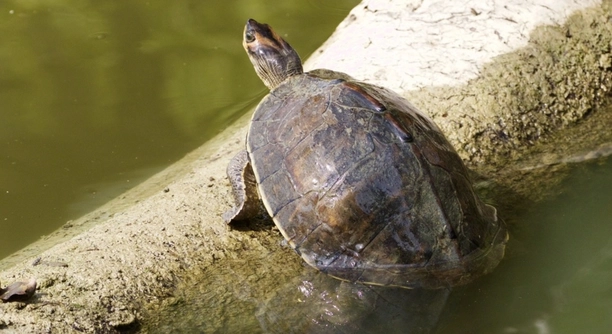
Indian roofed tortoises are unique and wonderful pets. Ensuring they are fed properly is essential for their health and well-being. It’s important to know what foods can help and which can harm them.
Certain foods can be dangerous for your Indian roofed tortoise. These include high-oxalate vegetables, sugary fruits, and dairy products, which can lead to health issues like kidney problems, digestive distress, or imbalanced nutrition.
Understanding which foods to avoid will help your tortoise live a healthy life. Continue reading to learn what foods should never be fed to them.
Foods High in Oxalates
High-oxalate vegetables, such as spinach, kale, and beet greens, can be harmful to Indian roofed tortoises. These foods contain compounds that can bind with calcium, preventing proper absorption and leading to kidney stones or other health problems. When fed frequently, oxalates can cause long-term damage to the tortoise’s kidneys, and even affect bone health. While these vegetables can be part of a varied diet in moderation, they should not be a primary food source for your tortoise.
For optimal health, ensure your tortoise’s diet is rich in calcium. Foods like dandelion greens, collard greens, and clover provide better calcium levels without the negative impact of oxalates. The key is balance.
Be mindful of the vegetables you feed your tortoise and avoid feeding them high-oxalate foods too often. This will keep your tortoise healthier in the long run.
Sugary Fruits
Feeding sugary fruits to Indian roofed tortoises can lead to digestive issues and obesity.
Fruits like bananas, grapes, and apples are high in sugar, which can cause imbalanced nutrition. This can result in weight gain, difficulty in digesting food, and potentially worsen kidney function. While tortoises enjoy fruits, offering them too often can lead to a number of health complications. It’s important to limit sugary fruits and focus more on leafy greens and other safe vegetables.
Be sure to offer fruits only occasionally as a treat, and make sure they are balanced with the rest of the diet.
Dairy Products
Dairy products such as milk, cheese, and yogurt should never be fed to your Indian roofed tortoise. They are not able to properly digest lactose, which can cause severe stomach issues like diarrhea, bloating, and indigestion. This can lead to dehydration, a serious concern for tortoises.
Even though dairy products may seem harmless, they have no nutritional benefit for tortoises. They can disrupt your tortoise’s digestive system and negatively impact its overall health. Stick to plant-based foods that align with their natural diet. Keep in mind that they don’t need dairy to thrive and it’s better to avoid it altogether.
By focusing on the appropriate foods for your tortoise, such as leafy greens and vegetables, you can ensure its digestive system stays healthy and functioning properly. It’s essential to steer clear of dairy to prevent unnecessary health issues.
Processed Foods
Processed foods like chips, crackers, and any items high in salt or preservatives are extremely harmful to Indian roofed tortoises.
Feeding your tortoise processed foods can cause dehydration, high blood pressure, and kidney issues. These foods are not part of a tortoise’s natural diet and can disrupt their digestive system. It’s also important to note that processed foods are often high in fat, which can lead to obesity and other related health issues in your tortoise.
To keep your tortoise healthy, stick to fresh, natural food options. Fruits and vegetables that mimic their wild diet will provide better nutrition and help prevent unwanted health complications. Always avoid any form of processed food to protect their well-being.
Meat and Animal Products
Indian roofed tortoises are herbivores, so they should never be fed meat or animal products. Their digestive systems are not designed to process animal proteins, and feeding them meat can cause significant health problems like kidney strain and digestive issues.
A diet high in protein from animal sources can also lead to obesity, liver disease, and shell deformities. These tortoises rely on plant-based food for all of their nutritional needs. Therefore, meat should always be avoided.
Feeding them plant matter like leafy greens, flowers, and certain fruits will ensure they remain healthy and thrive in their environment.
High-Phosphorus Foods
Foods high in phosphorus, such as legumes and beans, should be limited in your tortoise’s diet.
Excess phosphorus can interfere with calcium absorption, leading to metabolic bone disease. This condition weakens bones and can cause deformities in the tortoise’s shell and limbs. It’s important to offer foods that are higher in calcium and lower in phosphorus.
Balanced nutrition is essential, so always focus on calcium-rich plant foods. Calcium supports your tortoise’s bones and overall health, while too much phosphorus can lead to long-term issues that are difficult to reverse.
FAQ
Can I feed my Indian roofed tortoise commercial tortoise food?
Commercial tortoise food can be convenient, but it should not be the primary source of nutrition for your tortoise. While some commercial foods may be balanced, they can often contain additives or preservatives that may not be healthy in the long term. It’s best to provide fresh, natural foods like leafy greens, flowers, and vegetables to ensure a varied and balanced diet. However, you can offer commercial food occasionally as a supplement, but it should not replace fresh foods.
Are there any fruits that are safe for my Indian roofed tortoise?
Yes, there are several fruits that are safe to feed your Indian roofed tortoise in moderation. Fruits like strawberries, papayas, melons, and raspberries are excellent choices. However, fruits should be given as an occasional treat due to their high sugar content. Overfeeding fruits can lead to digestive problems or obesity. Always remember that their diet should be mostly made up of leafy greens and other vegetables.
Can I feed my Indian roofed tortoise iceberg lettuce?
Iceberg lettuce should be avoided when feeding your tortoise. While it’s not toxic, iceberg lettuce is mostly water and has very little nutritional value. It can fill them up without providing the essential nutrients they need for proper health. Instead, opt for more nutritious greens like romaine lettuce, dandelion greens, or collard greens, which are richer in vitamins and minerals.
Is it safe to feed my tortoise flowers?
Yes, many flowers are safe and healthy for Indian roofed tortoises, but it’s important to know which ones to offer. Flowers like hibiscus, dandelions, pansies, and nasturtiums are all excellent choices. Always avoid flowers that have been treated with pesticides or chemicals. Flowers are a great way to add variety to their diet and provide a natural source of nutrients.
What should I do if my Indian roofed tortoise is not eating?
If your tortoise refuses to eat, it could be due to various reasons such as stress, temperature changes, or an illness. Ensure that the habitat temperature is appropriate for your tortoise’s species (typically between 75-85°F). Stress can be caused by changes in their environment, so try to keep their space calm and consistent. If the lack of appetite persists, it’s best to consult a veterinarian, as it could be a sign of a health issue that requires attention.
Can I feed my tortoise human food?
While some human foods are safe for tortoises, it’s important to stick to plant-based foods and avoid items like processed foods, sugary snacks, or salty foods. Tortises have specific dietary needs, and feeding them human food that doesn’t align with their natural diet can cause long-term health problems. Always prioritize fresh vegetables and leafy greens, and avoid anything high in fat, salt, or sugar.
What are the signs of an unhealthy diet in my tortoise?
An unhealthy diet can manifest in several ways. You might notice signs like lethargy, weight loss, difficulty moving, or an abnormal shell appearance, such as soft or pyramidal growth. Poor diet can also lead to digestive issues like diarrhea or constipation. If you notice any of these signs, it’s crucial to assess their diet and consult a veterinarian to ensure your tortoise is getting the proper nutrients.
How often should I feed my Indian roofed tortoise?
Indian roofed tortoises typically need to be fed once a day, but it’s important to monitor their intake based on their age and activity level. Juvenile tortoises require more frequent feedings, while adults can typically be fed every other day or even every two days, depending on their size and health. Always provide a variety of food, and make sure they have constant access to fresh water.
Are there any foods that can cause kidney problems in tortoises?
Yes, feeding foods high in oxalates, such as spinach, beets, and rhubarb, can increase the risk of kidney problems in tortoises. Oxalates bind with calcium, preventing proper absorption and potentially causing kidney stones. Additionally, feeding high-protein or high-fat foods like meat or dairy can strain the kidneys. It’s best to stick with a diet rich in calcium and low in oxalates.
How do I know if my tortoise is overweight?
An overweight tortoise can often be identified by its shell. The shell may appear more rounded or bloated, and they may have difficulty moving around. If your tortoise’s diet includes too many high-calcium, high-fat foods or too many sugary fruits, this can contribute to weight gain. A balanced diet and regular monitoring of your tortoise’s weight will help you maintain a healthy weight for your pet.
Can my tortoise eat herbs?
Yes, many herbs are safe and nutritious for your tortoise. Herbs like basil, cilantro, and parsley are great additions to their diet. Herbs can provide a variety of essential vitamins and minerals. However, some herbs, such as mint and oregano, should only be offered occasionally, as they can be too strong and may cause digestive upset in large quantities.
Should I offer my tortoise calcium supplements?
Calcium supplements can be beneficial, especially for tortoises that are not getting enough calcium from their diet. However, before supplementing, it’s important to assess their overall diet. If your tortoise is eating a variety of calcium-rich greens, such as collard greens or dandelion greens, additional supplements may not be necessary. If you do choose to supplement, calcium carbonate powder is often recommended. Always check with a veterinarian to ensure the proper dosage.
Can my tortoise eat seeds?
Tortoises can eat seeds, but they should be offered cautiously. Some seeds, such as sunflower seeds or pumpkin seeds, are safe in small amounts. However, they should not be a primary food source, as they are high in fat and can lead to obesity if consumed too frequently. Always choose seeds that are unsalted and free from additives, and only offer them occasionally as a treat.
Final Thoughts
When caring for an Indian roofed tortoise, it’s essential to provide them with a balanced and varied diet that mirrors their natural environment. Their diet should consist primarily of leafy greens, vegetables, and some fruits. Avoid feeding them foods that are harmful, such as high-protein or processed foods, as these can cause health issues in the long run. Understanding which foods to avoid and which to offer will help ensure that your tortoise stays healthy and thrives in captivity.
Another important aspect of their care is making sure that they have access to fresh water at all times. Proper hydration is vital for their digestion and overall health. If they aren’t drinking enough, it can lead to dehydration, which can cause other health problems. You can also occasionally offer them water through misting or a shallow dish for them to soak in, which will help keep them hydrated. Keeping their enclosure clean and comfortable also plays a significant role in their well-being.
Finally, while it’s crucial to focus on their diet, regular observation of your tortoise’s behavior and health is equally important. If you notice any signs of illness, such as a lack of appetite, lethargy, or changes in their shell, it’s best to consult a vet who specializes in reptiles. Consistent care and attention to their needs, including diet, habitat, and overall health, will ensure that your Indian roofed tortoise lives a long, healthy life.

Hello,
If you enjoy the content that we create, please consider saying a "Thank You!" by leaving a tip.
Every little bit helps us continue crafting quality advice that supports the health, happiness, and well-being of pets around the world, for pets of all shapes, sizes, and species.
We really appreciate the kindness and support that you show us!