
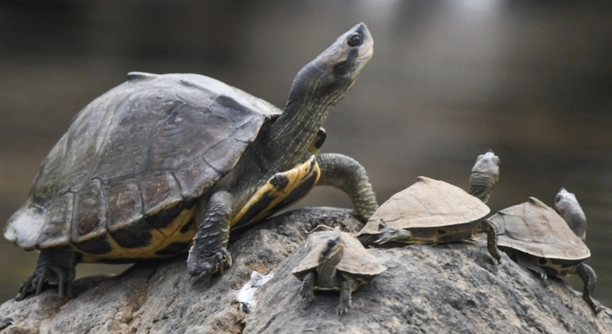
Keeping your Indian Roofed Tortoise cool during summer can be tricky, but it’s important for their well-being. They can become stressed by high temperatures, so understanding how to manage the heat is key to their health.
To keep your tortoise cool, provide ample shade, fresh water, and a suitable environment that mimics their natural habitat. Use cool substrates and ensure ventilation in their enclosure to maintain comfortable temperatures and reduce heat stress.
Maintaining the right environment is crucial for your tortoise’s health. These tips will help ensure they stay cool and comfortable during the hot months.
Create a Shaded Habitat for Your Tortoise
A shaded area is essential to keep your Indian Roofed Tortoise cool during the summer. Without shade, they can become overheated, leading to stress and possible health issues. In nature, tortoises seek out shade during the hottest parts of the day. Replicating this behavior in your home ensures they stay comfortable.
If you keep your tortoise outdoors, place their enclosure under a tree or large umbrella for consistent shade. If indoors, use a shaded corner with plenty of ventilation. Keeping their enclosure out of direct sunlight, especially during peak hours, will help them regulate their body temperature naturally.
Shade not only cools the environment but also helps keep their water fresh for longer periods. This is especially important in hot climates, where water can heat up quickly, leading to dehydration. Always ensure the shade you create is not just temporary but a consistent feature of their habitat.
Offer Fresh Water Regularly
It’s crucial to provide fresh, cool water at all times. Change the water in their bowl at least once a day, especially in hot weather. This helps with hydration and cooling them down. Tortoises may even enjoy soaking in the water, which aids in their cooling process.
Keeping their water bowl in a shaded area helps prevent it from heating up too quickly. Adding some ice cubes during extremely hot days can give them an extra cooling effect. If your tortoise enjoys a bath, gently place them in lukewarm water to cool them off. Always ensure the water is shallow enough for them to walk in without the risk of drowning.
Use Cooling Substrates for Comfort
Substrates in your tortoise’s habitat play a role in temperature regulation. Using cooling substrates like sand or coconut coir helps absorb moisture and maintain a cooler environment. They provide a place for your tortoise to burrow or rest, which is a natural behavior that can help with temperature control.
Avoid materials that trap heat, such as pebbles or certain types of gravel, as they can make the space uncomfortably warm. Opt for natural, breathable substrates that allow air circulation and help in maintaining cooler conditions. Regularly change the substrate to ensure cleanliness and prevent odors. The more comfortable their living space, the better they will handle the summer heat.
Ensure Proper Ventilation
Good airflow is another key factor in keeping your tortoise cool. Without proper ventilation, the enclosure can quickly become stuffy and retain heat, leading to an uncomfortable environment. Make sure the enclosure is designed with openings or mesh areas to allow air to flow freely.
Even when providing shade, without ventilation, the air may still become stagnant and warm. Keeping the enclosure well-ventilated helps to balance the temperature and humidity, providing a comfortable place for your tortoise. Be mindful of the humidity level, too. Excess moisture can add to the discomfort, leading to issues like shell rot. If possible, consider an enclosure with a fan or keep windows open to encourage airflow.
Create a Cooler Habitat with Ice Blocks
Using ice blocks in the enclosure is an effective way to lower the temperature. Place the ice in a shallow dish or on a tray to prevent direct contact with your tortoise. As the ice melts, it cools the surrounding area, making it more comfortable for your tortoise.
You can also freeze water bottles and place them in their habitat. This will gradually cool down the air, providing a more consistent temperature. It’s important to monitor the ice as it melts, so your tortoise doesn’t get too cold. Ensure the ice doesn’t create puddles that could cause discomfort or dampness.
This method helps keep the space cool without needing an air conditioning unit. Plus, it mimics the natural cooling processes your tortoise might experience in the wild, where the ground temperature fluctuates throughout the day and night.
Avoid Overheating by Limiting Activity
During the hottest hours of the day, your tortoise should avoid excessive movement. If possible, restrict their outdoor activity during peak heat times. Overexertion in high temperatures can lead to overheating, which is dangerous for their health.
Tortoises are naturally slower animals, but in extreme heat, they may be tempted to move more, seeking cooler spots. To keep them safe, create a shaded retreat for them to rest throughout the day. Consider placing cool, damp towels around their space to help them stay comfortable. These measures give them a chance to recover and stay hydrated.
When your tortoise remains still, it helps their body conserve energy and maintain a stable temperature. Keeping their environment stress-free by limiting unnecessary movement ensures they can enjoy a calm, cool summer.
Provide a Shaded Outdoor Space
When keeping your tortoise outside, it’s essential to set up a shaded area where they can retreat from the sun. This area should be large enough to allow them to move freely but still remain cool. Shade can be created with umbrellas or garden structures.
Ensure that the shade is available throughout the day, especially during midday heat. As temperatures rise, your tortoise will naturally seek shelter, so providing an easily accessible cool space is crucial. Additionally, make sure the area has adequate ventilation to prevent it from becoming too stuffy.
Creating this space will allow your tortoise to enjoy outdoor time while staying safe from the sun’s harsh rays.
Offer a Variety of Hiding Spots
Your tortoise needs hiding spots to feel secure, especially in hot weather. These spots offer not only shade but also a sense of safety. You can use ceramic pots, wooden boxes, or natural logs placed in their habitat for them to retreat into.
Providing a variety of hiding places encourages your tortoise to move around and regulate its temperature naturally. These hiding spots give them a break from the heat, allowing them to remain comfortable in a protected environment. They’ll appreciate the opportunity to cool down when needed.
Keep the Ground Cool
The type of ground your tortoise rests on plays a big role in their comfort. Use cool, breathable materials like sand or soil to cover the floor of their habitat. These help keep the area cooler during the summer months.
When setting up their space, avoid concrete or stone, as these materials trap heat. Instead, opt for a mix of natural substrates that provide better temperature regulation. By keeping the ground cool, your tortoise will have a more comfortable place to walk and rest.
FAQ
How can I tell if my Indian Roofed Tortoise is too hot?
Signs that your tortoise is too hot include excessive lethargy, shallow breathing, or hiding in unusual places. If they are constantly seeking shade or staying inactive for long periods, it’s a clear sign their environment may be too warm. Also, check for signs of dehydration, such as sunken eyes or dry skin. If you notice these symptoms, immediately move them to a cooler area and offer fresh water.
Can I use a fan to keep my tortoise cool?
Yes, a fan can help improve air circulation and lower the temperature inside their habitat. Make sure the fan is positioned to avoid directly blowing air onto your tortoise. Constant drafts can be uncomfortable for them. The fan will assist in preventing the air from becoming stagnant and will help maintain a fresh, cool environment.
Is it safe to keep my tortoise in an air-conditioned room?
Yes, keeping your tortoise in an air-conditioned room is a safe way to regulate temperature during the hotter months. However, avoid setting the temperature too low. A range of 75°F to 85°F is ideal for their comfort. Be mindful that sudden temperature changes can cause stress, so avoid direct blasts of cold air on them.
How often should I bathe my tortoise to help keep them cool?
Bathing your tortoise once or twice a week can help keep them hydrated and cool. Soaking them in lukewarm water for 20-30 minutes allows them to absorb moisture through their skin and helps regulate their body temperature. Always monitor the water temperature and ensure it’s not too hot or cold.
Should I keep my tortoise indoors or outdoors in summer?
It depends on your local climate and the environment you can provide. If your area experiences extreme heat, it may be safer to keep them indoors in a temperature-controlled environment. However, if temperatures are moderate and there’s enough shade, an outdoor enclosure with proper ventilation can offer a more natural setting.
What are the best types of bedding for a tortoise in summer?
Coconut coir, sand, and a mix of soil are excellent choices for bedding during summer. These materials absorb moisture and help keep the environment cooler. Avoid using wood chips or materials that retain heat, as they can make the habitat uncomfortable for your tortoise. Ensure the bedding is clean and dry to avoid any health issues.
Can I use ice cubes in my tortoise’s water?
Yes, adding a few ice cubes to their water can help lower the temperature, especially during very hot days. Just ensure the water doesn’t get too cold for them, as tortoises need water at a comfortable, lukewarm temperature for soaking. Also, make sure the ice doesn’t create excessive puddles that could make the environment too damp.
What should I do if my tortoise shows signs of heat stress?
If your tortoise shows signs of heat stress, such as lethargy, heavy breathing, or disorientation, remove them from the heat immediately and place them in a cool, shaded area. Offer them fresh water and monitor their condition. If symptoms persist, it’s best to consult a veterinarian specializing in reptiles for further advice.
Can I use a misting system to help cool my tortoise’s habitat?
A misting system can help increase humidity levels and cool down the environment slightly. However, make sure the misting doesn’t make the habitat too wet. Excess moisture can lead to respiratory problems or shell rot. Use the system to lightly spray the air and not saturate the ground too much.
What is the ideal temperature range for my tortoise?
The ideal temperature range for an Indian Roofed Tortoise is between 75°F to 85°F. It’s important to keep their basking spot a bit warmer, around 90°F to 95°F, while the cooler side of the habitat should be slightly lower. Use a thermometer to monitor these temperatures consistently.
Can I leave my tortoise outside in direct sunlight?
While tortoises do enjoy basking in the sun, direct sunlight can quickly overheat them. Provide a shaded area in their outdoor enclosure where they can retreat when they feel too hot. They should never be left in the sun without access to shade, especially during peak afternoon heat.
How can I help my tortoise stay hydrated in hot weather?
In addition to providing fresh water, you can also offer watery fruits and vegetables like cucumbers, watermelon, or leafy greens. These not only hydrate your tortoise but also help cool them down. Make sure they always have access to clean water for drinking and soaking.
What are the best ways to cool down a tortoise’s enclosure?
To cool down the enclosure, ensure plenty of shade is available and use ice blocks or frozen water bottles. You can also consider adding cool, moist substrates like coconut coir. Avoid placing their habitat in direct sunlight or near heat sources to prevent the temperature from rising too much.
Is it okay to move my tortoise between indoor and outdoor environments in summer?
Yes, but make sure the transition is gradual to avoid sudden temperature changes that could stress them. Outdoor environments should offer proper shade and cooling measures, while indoors should have controlled temperature and humidity levels. Always supervise them during the transition to ensure their safety.
Can I use a heat lamp during the summer?
In the summer, it’s generally best to reduce the use of heat lamps. If your tortoise is already in a warm environment, a heat lamp may overheat them. Instead, use a UVB lamp for lighting, as it helps with their overall health and shell development. Always monitor temperatures carefully.
Final Thoughts
Keeping your Indian Roofed Tortoise cool in the summer is essential for its well-being. Tortoises, like all reptiles, rely on a consistent environment to stay healthy. High temperatures can cause stress, dehydration, and even heat stroke, which can be dangerous. By creating a shaded, well-ventilated space for your tortoise, you can help it thrive in warmer conditions. It’s important to observe your tortoise closely and adjust their habitat as needed to ensure they are comfortable.
Using a combination of methods, like providing cool water, adjusting their enclosure, and using fans or air conditioning, can help maintain a safe temperature for your tortoise. Regular baths are another helpful tool in keeping them hydrated and cool. Also, always be mindful of the humidity levels in their environment. Too much moisture can lead to shell rot or respiratory issues, while too little can result in dehydration. Finding the right balance is key.
While summer presents challenges for keeping your tortoise cool, with proper care and attention, you can create a comfortable and healthy environment. Understanding your tortoise’s needs during this time is crucial. By staying proactive and monitoring their behavior, you can prevent any heat-related issues. Keep in mind that it’s always best to consult a veterinarian if you notice any signs of heat stress or other health concerns. Your tortoise will benefit from your efforts to maintain a cool and safe space during the hot months.

Hello,
If you enjoy the content that we create, please consider saying a "Thank You!" by leaving a tip.
Every little bit helps us continue crafting quality advice that supports the health, happiness, and well-being of pets around the world, for pets of all shapes, sizes, and species.
We really appreciate the kindness and support that you show us!