
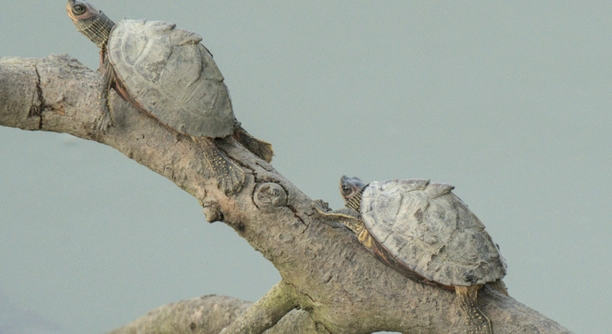
Is your Indian Roofed Tortoise refusing to bask? This behavior might worry you, especially when proper basking is important for its health and well-being. Let’s explore why this might be happening and what you can do to fix it.
The most common reason why your Indian Roofed Tortoise isn’t basking is related to improper environmental conditions, such as inadequate lighting or temperature. These factors may cause stress or discomfort, leading the tortoise to avoid basking altogether.
Addressing these factors will help ensure your tortoise gets the right conditions for healthy basking. Learn what changes can help your pet feel more comfortable and active.
Why Proper Lighting and Temperature Matter for Your Tortoise
Your Indian Roofed Tortoise relies on basking to maintain its body temperature and get the essential UVB light. If it’s not basking, one of the first things to check is the lighting setup. Without the proper heat and UVB light, your tortoise might feel uncomfortable or even stressed. This can cause it to avoid basking, leading to health problems like shell deformities or vitamin D3 deficiency. The basking spot should be warm, with temperatures around 90-95°F (32-35°C), and the UVB light should be close enough to provide the right intensity.
Additionally, check if the basking area is too bright or too dim, which can discourage your tortoise from staying there. UVB lights should be replaced every 6 months as they lose effectiveness over time, even if they still appear to be working. By ensuring your tortoise has the proper lighting and temperature, you can encourage it to bask more regularly.
A poorly lit or cold habitat will discourage your tortoise from basking. Ensuring both heat and UVB light are set correctly will keep your pet healthy.
Stress from the Environment
Stress is another common reason why your tortoise might avoid basking. Environmental stressors can come from many sources, such as too much noise, unfamiliar scents, or overcrowding in its habitat. If there are other pets nearby or frequent disturbances, it can cause your tortoise to feel unsafe, leading to a lack of interest in basking. It’s important to make sure your tortoise’s habitat is peaceful and quiet, allowing it to feel secure.
You should also assess if your tortoise has enough space to move around freely. A cramped environment can make your tortoise feel stressed and might even make it avoid its basking area entirely. Make sure your tortoise has a separate basking spot and access to cooler areas to regulate its body temperature.
The key is providing a calm, quiet environment where your tortoise can relax and enjoy its basking time. Removing distractions and offering more space will help ease the stress your tortoise may feel.
Health Issues and Their Impact on Basking
If your tortoise is not basking, it could be due to an underlying health problem. Tortoises sometimes stop basking when they feel unwell, which could be a sign of respiratory infections or digestive issues. Any condition that causes pain or discomfort may discourage your tortoise from seeking heat.
Health issues can make it harder for your tortoise to move toward its basking area. It might feel weak, lethargic, or simply avoid the heat source. If you notice changes in your tortoise’s behavior or appetite, it’s important to consult a vet as soon as possible.
A visit to the vet can rule out serious conditions like respiratory infections or shell rot. These health problems can affect your tortoise’s ability to bask and should be addressed quickly to prevent long-term damage. Timely treatment will help your tortoise feel better and get back to basking.
Improper Diet and Lack of Calcium
Your tortoise’s diet plays a crucial role in its overall well-being. If it’s not getting enough calcium, it may become lethargic and avoid basking. Calcium is essential for shell health and metabolism. A diet that lacks this vital nutrient can cause weakness, making it harder for your tortoise to stay active or bask regularly.
Incorporating foods like dark leafy greens, such as collard greens and kale, can boost calcium intake. Also, consider providing a calcium supplement to ensure your tortoise gets the nutrients it needs. Without proper calcium levels, your tortoise may not have the energy or drive to bask, and over time, its shell health could decline.
Making sure your tortoise eats a balanced diet with enough calcium and vitamins can help restore its energy and encourage it to bask. This will improve your tortoise’s health and quality of life, ensuring it gets the proper nutrients to thrive.
Incorrect Basking Spot
The location of the basking spot can greatly affect your tortoise’s willingness to use it. If it’s too far from the heat source or difficult to access, your tortoise may avoid it altogether. Ensure the basking area is easy for your tortoise to reach and appropriately positioned.
If the basking area is too high, your tortoise may feel it’s too much effort to get there. Alternatively, if it’s too cold or too hot, your tortoise will likely avoid basking. Make sure the area has a proper temperature gradient with cooler spots for your tortoise to move to when it’s too warm.
Enclosure Size
The size of your tortoise’s enclosure can affect its behavior. A small enclosure may feel cramped, and your tortoise could avoid certain areas, like the basking spot, to escape a feeling of confinement. A spacious habitat allows more freedom for your tortoise to move around.
Make sure the enclosure is large enough for your tortoise to roam freely. A cramped environment could lead to stress and discomfort, making it less likely that your tortoise will seek out the basking area. Providing ample space will give your tortoise more control over its environment.
Substrate Issues
Sometimes, the substrate in your tortoise’s enclosure can prevent proper basking. If it’s too deep or uncomfortable, your tortoise might avoid the basking area. Consider the type of substrate you’re using and how easy it is for your tortoise to move around on it.
If the substrate is too thick, your tortoise may struggle to reach its basking spot. You should use a shallow layer that allows easy movement and warmth retention. This will make the basking area more accessible, encouraging your tortoise to spend time there and stay warm.
FAQ
Why isn’t my tortoise basking despite having a heat source?
It’s possible your tortoise may not be basking because the heat source isn’t positioned correctly or the temperature is wrong. The basking area should be between 90-95°F (32-35°C). If it’s too hot or too cold, your tortoise will avoid it. Another possibility is that your tortoise might be stressed due to environmental factors like noise or other pets. It’s important to check not only the heat source but also the environment to make sure it’s comfortable for your tortoise.
Can stress cause my tortoise to avoid basking?
Yes, stress can definitely cause a tortoise to avoid basking. Stress from overcrowding, noise, or changes in its environment can make your tortoise feel unsafe. It might choose to hide rather than bask. Ensure that its habitat is calm and quiet, with enough space for it to move around freely.
How can I tell if my tortoise is stressed?
Signs of stress in tortoises include hiding for long periods, not eating, and becoming lethargic. A stressed tortoise may also pace back and forth or constantly try to escape the enclosure. Pay attention to any changes in behavior, as stress can affect their health.
Is my tortoise sick if it’s not basking?
It’s possible. If your tortoise is refusing to bask, it could be a sign of an illness, such as a respiratory infection or shell problems. Sick tortoises often avoid basking because they feel weak or in pain. If you suspect your tortoise is unwell, it’s a good idea to take it to a vet for a check-up.
How do I check if the UVB light is working properly?
UVB lights lose their effectiveness over time, even if they still appear to be working. They should be replaced every 6 months. To ensure the UVB light is working, check that it’s positioned correctly within the recommended distance from your tortoise. You can also use a UV meter to measure the intensity, but if unsure, replace the bulb regularly.
Can my tortoise be too old to bask?
Older tortoises may bask less than younger ones, but they still need the proper heat and light. If your older tortoise is avoiding basking, check for other factors like health issues or stress. Some aging tortoises may need slightly lower temperatures, but the basking spot should still be warm enough.
How often should I replace the UVB light?
You should replace your tortoise’s UVB bulb every 6 months, even if it still looks like it’s working. UVB bulbs lose their effectiveness over time and might not provide enough UVB rays for your tortoise. A replacement ensures your tortoise gets the necessary exposure to maintain its health.
Can I use a regular light bulb instead of a UVB light?
No, a regular light bulb doesn’t provide the necessary UVB rays that your tortoise needs. UVB light is essential for proper calcium absorption and overall health. Using a regular bulb won’t give your tortoise the benefits it needs for basking. Always use a UVB bulb specifically designed for reptiles.
What can I do if my tortoise is not eating and not basking?
If your tortoise is not eating and avoiding the basking spot, it could be a sign of illness or stress. First, check its environment, lighting, and temperature. Make sure the habitat is stress-free and the conditions are ideal. If the behavior continues, visit a vet to rule out health problems.
Can a dirty tank cause my tortoise to avoid basking?
Yes, a dirty tank can create an unpleasant environment for your tortoise, leading to stress and discomfort. If your tortoise feels unsafe due to the dirty environment, it may choose to avoid basking and hide. Clean the tank regularly and ensure that it’s a comfortable and hygienic space for your tortoise.
What is the best way to encourage my tortoise to bask?
To encourage basking, provide an optimal environment with the correct temperature and UVB light. Ensure the basking spot is easy to access and positioned in a quiet area of the enclosure. A well-balanced diet and a stress-free habitat are also important in keeping your tortoise healthy and active.
Final Thoughts
When your Indian Roofed Tortoise isn’t basking, it’s important to consider a range of factors that could be affecting its behavior. The most common reasons for this include improper lighting and temperature, stress, health issues, and an unsuitable environment. Ensuring that your tortoise has access to the right amount of heat, UVB light, and a peaceful habitat is key to encouraging basking. If your tortoise is not basking, it might also be trying to tell you that something is off with its surroundings or health. It’s essential to take the time to observe its behavior and identify any potential problems.
If the issue persists even after adjusting its environment, it’s a good idea to consult a veterinarian. Tortoises, like all pets, need medical care if they are not feeling well. Health problems such as respiratory infections or calcium deficiencies can cause them to avoid basking. These issues can often go unnoticed until the tortoise shows signs of distress. A vet check can provide peace of mind and help resolve any health concerns your tortoise may be facing.
Ultimately, creating a comfortable, well-lit, and stress-free environment is the best way to encourage your tortoise to bask. Keep in mind that every tortoise is different, so what works for one may not work for another. Pay attention to its unique needs, and always prioritize its health and happiness. With the right adjustments, your tortoise will return to basking, helping to maintain its well-being for years to come.

Hello,
If you enjoy the content that we create, please consider saying a "Thank You!" by leaving a tip.
Every little bit helps us continue crafting quality advice that supports the health, happiness, and well-being of pets around the world, for pets of all shapes, sizes, and species.
We really appreciate the kindness and support that you show us!