
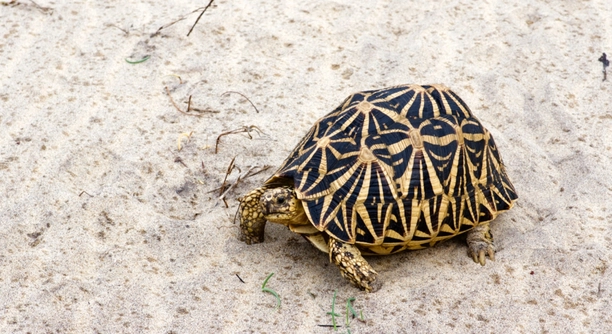
Turtles require special care in the winter months, especially when it comes to feeding. A proper diet ensures they stay healthy and active despite the cold temperatures. Knowing what to feed them can make a big difference.
The best foods for turtles during winter include leafy greens, high-quality pellets, and occasional protein sources like insects. You should focus on offering nutrient-rich foods that maintain their energy levels and support their immune system throughout the colder months.
Feeding turtles the right foods during winter helps keep them healthy and strong.
Leafy Greens: A Turtle’s Essential Winter Food
Leafy greens are one of the best foods to feed your turtle during the winter. They are rich in vitamins and minerals that help support a turtle’s immune system and overall health. Kale, collard greens, and dandelion greens are all great options. These vegetables offer important nutrients such as calcium, which is essential for shell strength. Try to vary the types of leafy greens you feed them to keep their diet interesting and balanced. Over time, you’ll notice how much your turtle enjoys these nutritious greens.
If you’re feeding your turtle leafy greens, make sure they’re fresh and free from pesticides. It’s best to wash them thoroughly before serving to ensure they’re safe. You can even offer them organic options for added peace of mind.
Additionally, while leafy greens are an excellent staple, don’t forget to mix them with other foods to provide variety. A balanced diet with a good mix of vegetables and protein will help keep your turtle healthy and content during the winter months. Offering leafy greens regularly is a simple and effective way to ensure your turtle stays in great shape.
High-Quality Pellets: Consistent Nutrition
High-quality turtle pellets provide a consistent source of nutrition during the colder months. These pellets are designed to meet the specific dietary needs of turtles, ensuring they receive the right balance of nutrients.
During winter, when your turtle may be less active, it’s especially important to offer nutrient-dense food. Pellets are packed with vitamins, minerals, and proteins that support overall health, making them a valuable addition to their diet. Be sure to choose pellets that are specifically formulated for your turtle’s species to avoid any nutritional gaps.
The key to a healthy turtle is a balanced diet. Along with fresh greens and occasional protein, pellets can provide the steady nutrition needed for your turtle to thrive in the winter.
Insects: A Protein Boost for Winter
Insects such as mealworms, crickets, and waxworms can provide essential protein for turtles in winter. This protein supports muscle growth and helps maintain energy levels when they’re less active. It’s important to offer insects in moderation, as too much protein can cause imbalance in their diet.
You can feed your turtle insects a few times a week. They are an excellent source of protein, but they should not be the sole food source. Mixing insects with vegetables and pellets ensures a balanced diet. You can either feed them live or dried insects, depending on what your turtle prefers.
Offering insects to your turtle also mimics their natural diet in the wild, where they often consume small creatures. Just make sure to remove any uneaten insects to prevent overfeeding. Also, consider dusting the insects with calcium powder to promote strong bones and shell health, especially during the colder months when their activity levels may drop.
Fruits: Occasional Treats
Turtles can enjoy fruits in moderation, providing a refreshing break from their usual meals. Fruits like strawberries, apples, and bananas offer a sweet treat that’s also packed with vitamins. These can be a good source of hydration for turtles as well.
It’s important to remember that fruits should not make up the majority of their diet. They are high in sugar and can cause weight gain if fed too often. Serving fruits occasionally, about once a week, will keep things balanced. Avoid citrus fruits, as they can be too acidic for turtles to handle.
When offering fruit, cut it into small, bite-sized pieces. This will make it easier for your turtle to enjoy, reducing the risk of choking. It’s a good idea to mix fruit with their regular diet of greens and pellets to create a more diverse meal plan.
Dark, Leafy Greens: A Nutritious Winter Food
Dark leafy greens like spinach and mustard greens offer extra nutrients that your turtle needs during the winter months. They are packed with vitamins A and K, as well as essential minerals that promote overall health and immunity.
These greens should be a regular part of your turtle’s diet, especially when they aren’t getting as much natural sunlight. Regularly offering these vegetables will ensure your turtle stays nourished and healthy, even when the weather is cold. Remember to wash them thoroughly before feeding to remove any dirt or chemicals.
Fish: A Special Treat for Your Turtle
Feeding your turtle fish is a great way to provide them with a special treat and extra protein. Small fish like goldfish or minnows can offer nutrients that your turtle might not get from its usual diet of greens and pellets.
However, fish should only be fed occasionally and not be the main component of their diet. Too much fish can lead to imbalance. Keep an eye on your turtle’s health to avoid overfeeding fish. When offering fish, be sure to chop them into manageable pieces to avoid choking.
Commercial Turtle Food: Convenient and Balanced
Commercial turtle food, often in the form of pellets or sticks, provides a balanced mix of nutrients. These foods are specially formulated to meet a turtle’s dietary needs and are a convenient option for feeding.
While homemade food is great, commercial turtle food is a reliable choice for when you need something quick and easy. It can be used as a supplement alongside fresh greens and protein sources to ensure that your turtle gets all the necessary nutrients to thrive during the winter.
FAQ
What should I feed my turtle during the winter?
During winter, it’s important to provide your turtle with nutrient-rich foods like leafy greens, high-quality pellets, insects, and occasional fruits. These foods help maintain energy levels and support overall health when the turtle is less active. You can also offer dark leafy greens such as kale or collard greens, which are packed with vitamins and minerals.
How often should I feed my turtle in the winter?
The feeding frequency can vary based on your turtle’s age and species. Generally, adult turtles can be fed every two to three days during the winter, as their activity levels decrease. Younger turtles may still need to be fed daily. Monitor your turtle’s health and adjust accordingly to avoid overfeeding.
Can I feed my turtle fruits during the winter?
Yes, you can offer fruits occasionally as a treat during the winter months. Fruits like strawberries, apples, and bananas provide hydration and vitamins. However, fruits should be given sparingly due to their high sugar content. Aim to offer fruits once a week or as a supplement to their regular meals.
Is it okay to feed my turtle fish in the winter?
Fish can be given as an occasional treat during the winter to provide extra protein. Small fish like minnows or goldfish are suitable. However, feeding fish too often can lead to an imbalanced diet, so it should be offered no more than once or twice a week.
Should I continue feeding my turtle insects during the winter?
Insects, such as mealworms or crickets, can be fed to your turtle during the winter for protein. However, this should be done in moderation. Offer insects a couple of times a week, and balance them with greens and pellets to ensure your turtle receives all the necessary nutrients.
Can I feed my turtle pellets year-round?
Yes, pellets can be part of your turtle’s diet year-round. High-quality pellets are specially designed to provide balanced nutrition. During winter, when your turtle’s activity levels decrease, pellets can provide consistent nutrition to support its overall health. Make sure the pellets are suitable for your turtle’s specific species.
Are there any foods I should avoid giving my turtle in winter?
Avoid feeding your turtle processed foods, dairy, or human snacks. These foods can upset their digestive system and lead to health issues. Citrus fruits should also be avoided as they are too acidic. Stick to the foods mentioned above for a healthy and balanced diet.
How can I tell if my turtle is eating enough during the winter?
A healthy turtle should maintain a consistent weight and not show signs of malnutrition, such as lethargy or a soft shell. If you notice that your turtle is not eating regularly, check its food variety and consider adjusting the feeding schedule. Regularly monitoring their behavior will help you identify any issues early.
Can I feed my turtle worms during the winter?
Worms are a great source of protein for turtles and can be fed in moderation. Red worms, earthworms, and mealworms can be added to their diet during winter. Like insects, worms should not be the main food source but can supplement their diet a few times a week.
How do I keep my turtle hydrated in winter?
Turtles need access to fresh water at all times, especially in winter. They may not drink as much in cold weather, but it’s still important to provide clean, dechlorinated water regularly. Make sure their water bowl is changed frequently to keep it clean and free of bacteria.
Do I need to change my turtle’s diet for hibernation?
If your turtle is hibernating during the winter, you may need to adjust its diet. Many species of turtles will eat less or stop eating completely during hibernation. It’s important to reduce feeding and avoid overfeeding them before they begin hibernation to prevent any health complications.
Can I feed my turtle canned food in winter?
Canned food, like canned fish or vegetables, is not ideal for turtles, as it often contains preservatives and extra salt that can harm their health. It’s better to stick with fresh or frozen foods. If you do feed canned food occasionally, ensure it is free from added chemicals.
How can I keep my turtle’s environment warm enough during the winter?
Make sure your turtle has access to a heat source in its habitat during the winter. Use a heat lamp or under-tank heating pad to maintain a temperature that suits your turtle’s needs. Avoid placing their habitat in cold, drafty areas where the temperature could drop too low.
Should I supplement my turtle’s diet with vitamins in winter?
Supplements are not always necessary if your turtle is eating a balanced diet. However, during the winter when sunlight exposure may be limited, you can consider offering a calcium supplement or multivitamin once or twice a week. This ensures your turtle gets enough nutrients during the colder months.
Can I feed my turtle lettuce during the winter?
Lettuce, particularly iceberg lettuce, is not very nutritious for turtles and should be avoided. It contains mostly water and lacks the essential vitamins and minerals that your turtle needs. Instead, opt for more nutrient-dense leafy greens like kale, collard greens, and mustard greens.
Is it okay to feed my turtle cooked food during the winter?
Cooked food should generally be avoided, as it can lose its nutritional value and may cause digestive issues for your turtle. Stick to fresh, raw vegetables, fruits, and insects to ensure your turtle is getting the best nutrition. However, if you do cook vegetables, avoid seasoning them.
How do I know if my turtle is healthy in the winter?
In winter, monitor your turtle’s activity level, appetite, and shell condition. Healthy turtles should be alert and active when they are awake. If your turtle becomes overly lethargic, refuses to eat, or has any unusual changes in its shell or skin, consult a vet.
Final Thoughts
Feeding a turtle during the winter requires some attention to its specific needs. While turtles slow down in colder months, they still need a balanced diet to stay healthy. The main focus should be on providing a variety of nutrient-dense foods like leafy greens, protein-rich insects, and occasional fruits. It’s also essential to maintain proper feeding schedules, ensuring that your turtle gets enough nutrition without overfeeding. Adjusting the diet based on your turtle’s age, activity level, and species will ensure it stays healthy throughout the season.
One of the most important aspects of winter turtle care is understanding their behavior. Turtles are cold-blooded, meaning their metabolism slows down in cooler temperatures. During this time, they become less active, and their feeding needs may decrease. Offering the right types of food, such as dark leafy greens or high-quality pellets, ensures they receive the necessary vitamins and minerals to maintain their health without overburdening their system. It’s also important to avoid feeding them too much protein during this period, as it can lead to weight gain and other health issues.
Finally, it’s crucial to monitor your turtle closely during the winter months. Make sure it has access to clean, fresh water and a warm environment to prevent it from becoming too cold. In some cases, turtles may enter a state of brumation, where they become inactive for extended periods. If your turtle is brumating, it’s essential not to feed it until it becomes active again. Keep a close eye on your turtle’s health, and always consult a veterinarian if you notice any signs of illness or abnormal behavior.

Hello,
If you enjoy the content that we create, please consider saying a "Thank You!" by leaving a tip.
Every little bit helps us continue crafting quality advice that supports the health, happiness, and well-being of pets around the world, for pets of all shapes, sizes, and species.
We really appreciate the kindness and support that you show us!