
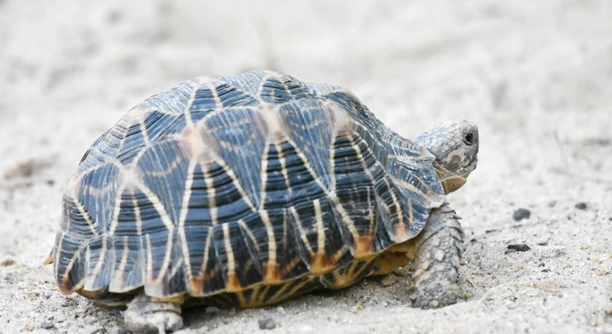
Turtles are fascinating creatures, and observing their behavior can sometimes leave us curious about what they’re thinking. One common behavior pet owners notice is their turtle repeatedly staring at its reflection.
This behavior is typically caused by curiosity or territorial instincts. Turtles may perceive their reflection as another turtle, leading them to stare or even act defensively. It’s a natural response to an unfamiliar presence, triggering their instincts.
Understanding why this happens can help you provide a better environment for your turtle. Keep reading to learn more about how to address this behavior.
Why Turtles Stare at Their Reflection
Turtles, like many reptiles, are highly territorial and instinctive. When they encounter a reflection, they might interpret it as another turtle invading their space. This natural response can trigger behaviors like staring, puffing up, or even attempting to interact with their reflection. In the wild, such reactions are vital for protecting their territory and establishing dominance. In captivity, however, this behavior often arises from a lack of stimulation or space. It’s a way for your turtle to process what it perceives as a rival. The reflective surface can confuse them, creating an illusion of another turtle that is either competing or mimicking their movements.
If your turtle spends a lot of time in front of a reflective surface, it could be feeling stressed or bored. The more time it spends staring, the more it could become fixated on the idea of another turtle. This fixation might even lead to repetitive behaviors or increased aggression. To prevent this, you might consider adjusting the layout of their environment to minimize reflections, such as using opaque glass or adding hiding spots.
Turtles benefit from an enriched environment with plenty of space, hiding spots, and areas for exploration. If your turtle has nothing else to focus on, it will likely continue to interact with its reflection. Sometimes, adding more plants or decorations can offer the distraction they need. Providing a well-rounded habitat will also help reduce stress levels, allowing your turtle to feel secure and comfortable.
How to Address the Behavior
If you notice your turtle frequently staring at its reflection, there are a few steps you can take to manage the situation. First, you could rearrange the tank to remove or cover reflective surfaces. Alternatively, try placing opaque or frosted panels to prevent your turtle from seeing its reflection. Changing the lighting can also help reduce the shine that causes the reflection.
Another approach is to increase the stimulation within the enclosure. Adding new objects, decorations, or a variety of plants will give your turtle something more interesting to focus on. This will not only reduce the behavior but also enrich your turtle’s life.
Managing Your Turtle’s Environment
If your turtle’s reflection behavior becomes a problem, adjusting its environment is key. A simple fix is to rearrange objects within the tank or cover reflective surfaces. Using opaque glass or frosted panels can prevent the reflection and reduce stress.
Turtles are creatures of habit, and having a consistent environment is important. They tend to feel more comfortable in spaces where they know where to hide or bask. By reducing reflections, you allow your turtle to focus on other activities, like exploring or resting. This will also prevent unnecessary stress that might lead to other undesirable behaviors. Regularly updating their environment with new elements can help keep their mind occupied, preventing them from fixating on their own image.
Providing different textures and surfaces in their habitat will create a more engaging space. Adding plants, rocks, or other decorations can stimulate their natural instincts, reducing the urge to stare at their reflection. A varied environment promotes mental well-being and overall health.
Behavioral Signs to Watch For
Sometimes, the fixation on reflections can lead to behavioral signs of stress. You might notice your turtle becoming more aggressive, displaying defensive behaviors like hissing or attempting to “attack” its own reflection. These reactions indicate that your turtle is feeling threatened.
Pay attention to any other signs of stress, such as reduced activity, lack of appetite, or changes in swimming patterns. When a turtle is stressed, it may withdraw or avoid certain areas of its habitat. These behaviors are its way of communicating discomfort. If you observe any of these changes, it’s important to address the reflection issue quickly to avoid further complications.
Stress-Reducing Techniques
To help your turtle feel more at ease, you can add enrichment activities like floating objects or rocks for climbing. This encourages your turtle to explore rather than focus on its reflection. A change in environment can be a simple yet effective way to reduce repetitive behaviors.
Another technique is ensuring your turtle has access to shaded areas where it can rest or hide. By providing these spaces, you give your turtle a chance to retreat and feel secure when it becomes overstimulated by its surroundings. Stress management is essential for its well-being.
The Role of Temperature and Lighting
Lighting and temperature play a significant role in a turtle’s comfort. Proper lighting can help your turtle regulate its body temperature, which influences its overall behavior. If the lighting is too bright or too dim, it can make your turtle more agitated or inactive.
Consider adjusting the light cycle to mimic natural sunlight, ensuring your turtle gets the right amount of UVB exposure. This is crucial for their health and helps keep them in a balanced state. When the temperature and lighting are optimized, your turtle can focus on its natural behaviors rather than the distraction of a reflection.
The Impact of Overcrowding
If your turtle shares its tank with other turtles or animals, overcrowding can contribute to stress. Turtles are territorial creatures and need their own space to feel secure. If the tank is too small or crowded, the presence of other animals might also cause the reflection behavior.
Consider re-evaluating the tank size or dividing the space to give each turtle ample room. Overcrowding can lead to more than just reflection fixation; it can cause aggression and health issues. A spacious, single-turtle tank is ideal for their well-being.
FAQ
Why does my turtle keep staring at its reflection?
Turtles often stare at their reflection because they perceive it as another turtle. This behavior is tied to their territorial instincts. In the wild, they would defend their space from intruders, and a reflection can trigger the same response. It’s common when turtles have nothing else to focus on in their environment. Over time, this can lead to repetitive staring or even defensive actions like puffing up or trying to engage with the reflection.
Can my turtle’s reflection behavior be harmful?
While staring at its reflection isn’t inherently harmful, it can lead to stress. If your turtle is consistently engaging with its reflection, it might become frustrated or anxious. This ongoing stress can cause a decline in health, affecting appetite, activity levels, and overall well-being. It’s important to intervene by altering the environment or reducing the availability of reflective surfaces.
How can I prevent my turtle from staring at its reflection?
One of the most effective ways to stop this behavior is to reduce or remove reflective surfaces from the tank. You can cover the glass with frosted film or add decorations like plants, rocks, or opaque panels to block the reflection. Additionally, changing the tank layout or adding hiding spots will give your turtle more distractions and reduce its focus on the reflection.
Should I change my turtle’s tank setup?
Changing the tank setup can help prevent the behavior. If your turtle is frequently interacting with its reflection, it’s a sign that it needs more stimulation. Adding more objects, plants, or different surfaces for climbing and exploring will keep it busy and focused elsewhere. Ensure the tank provides plenty of space for your turtle to move around comfortably.
Is there a way to reduce my turtle’s stress related to reflection fixation?
Yes, reducing stress involves providing a more enriching environment. Add more hiding spots, rocks, or water plants that allow your turtle to explore its space. A varied habitat with different textures and surfaces can also help. Additionally, managing the lighting and temperature in the tank can promote a more relaxed environment.
Can multiple turtles cause this behavior?
Yes, multiple turtles in a small tank can lead to stress and territorial behaviors, including fixation on reflections. Turtles are territorial and may mistake the reflection for another turtle, leading to aggression or frustration. It’s essential to ensure each turtle has enough space to feel secure and not overcrowded.
How do I know if my turtle is stressed?
Signs of stress in turtles include a lack of appetite, reduced activity, hiding more than usual, and aggressive behavior like trying to attack reflections. If your turtle is excessively staring at its reflection, it might also exhibit signs of stress. It’s important to monitor its behavior and make adjustments to the environment accordingly.
Does the size of the tank matter for reflection fixation?
Yes, tank size plays a significant role in how comfortable your turtle feels. If the tank is too small, the turtle may become more fixated on its reflection. A larger tank provides enough space for the turtle to feel secure and reduces the likelihood of it focusing on its reflection. Providing enough room for movement and hiding is key.
Should I get a second turtle to keep my turtle company?
While turtles can benefit from social interaction, it’s important to note that they can also be territorial. Introducing a second turtle may not always solve the reflection behavior, especially if they don’t get along. It’s better to ensure they have enough space and a comfortable environment for each turtle before considering adding another.
How often should I change my turtle’s environment?
Changing your turtle’s environment periodically can help reduce reflection fixation and provide mental stimulation. However, frequent changes can also cause stress if done too often. Try rearranging decorations or adding new items to the tank every few weeks to keep your turtle engaged without overwhelming it.
Final Thoughts
Reflection fixation is a common behavior in turtles, but it’s usually not something to worry about if managed properly. Turtles are naturally curious creatures, and their behavior can be influenced by various factors in their environment. While staring at a reflection may seem harmless at first, it can lead to stress and other health issues if not addressed. Understanding why your turtle is engaging in this behavior is the first step in helping it feel more comfortable.
The key to preventing reflection fixation is to adjust the environment. By removing reflective surfaces, adding objects for exploration, and ensuring your turtle has enough space to roam, you can redirect its attention away from its own image. Providing a varied and stimulating environment can help reduce stress and keep your turtle active and healthy. Regularly checking the tank setup and making small changes can keep your turtle engaged and prevent it from focusing on the reflection.
If you notice signs of stress in your turtle, such as a lack of appetite, aggression, or unusual behavior, it’s important to act quickly. These signs may indicate that the reflection fixation is having an impact on your turtle’s well-being. By making the right adjustments to the environment and ensuring your turtle’s needs are met, you can help it feel more secure and content in its space.

Hello,
If you enjoy the content that we create, please consider saying a "Thank You!" by leaving a tip.
Every little bit helps us continue crafting quality advice that supports the health, happiness, and well-being of pets around the world, for pets of all shapes, sizes, and species.
We really appreciate the kindness and support that you show us!