
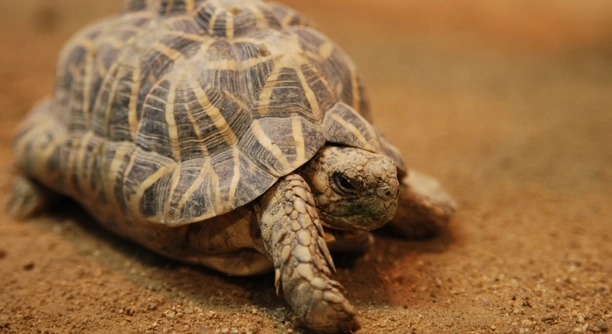
Turtles are fascinating pets, and observing their behaviors can be both entertaining and puzzling. One such behavior is the habit of flicking water out of their tank. This action might leave you wondering about its cause.
The primary reason your turtle flicks water out of its tank is typically related to its instinctual behaviors, such as creating a more comfortable environment or attempting to communicate. This action may also be a sign of stress or discomfort.
This article will explore the various reasons behind this behavior and provide guidance on how to address it. Understanding these factors can help ensure a happier, healthier environment for your turtle.
Why Does My Turtle Flick Water?
Turtles are naturally curious creatures, and their behaviors can often leave pet owners puzzled. One such behavior is flicking water from their tank. This action might seem random, but there are a few common explanations. Understanding why your turtle flicks water can help ensure that they are comfortable in their environment. It’s important to consider factors like tank conditions, the turtle’s health, and their natural instincts.
The flicking motion may also happen when the turtle feels disturbed or threatened. It is also possible that the turtle is attempting to make its environment more suitable by moving the water around.
A lack of space or insufficient environmental enrichment could lead to this behavior as well. Turtles in small tanks or tanks with minimal hiding places may feel stressed, prompting them to flick water to alleviate discomfort. Adding hiding spots and increasing the size of the tank can reduce stress and give the turtle more comfort.
Stress and Overcrowding
Stress is another major factor that could explain your turtle’s water flicking behavior. A stressful environment can lead to several signs, including water flicking. Overcrowding, an unclean habitat, and the presence of other turtles can contribute to stress.
If your turtle is constantly flicking water, it might be struggling with tank conditions. Filtration systems should be checked regularly, and the tank should be cleaned frequently. Poor water quality or excess waste can create a stressful atmosphere for your turtle, leading to behaviors like flicking water. Providing a clean, spacious environment with filtered water will help ensure your turtle is comfortable and healthy. A quiet, peaceful environment is essential for preventing stress-related issues in turtles.
Natural Behavior
Turtles are known to flick water as part of their natural behavior. This is not always a sign of distress or discomfort. Sometimes, it’s simply their way of interacting with their environment.
In the wild, turtles often move water around to adjust their surroundings or to signal their presence to others. This instinctual behavior carries over into captivity. When they flick water, they could be trying to make their environment more comfortable. They may also use this action as a way to explore their space. Although it can be surprising, this type of behavior is a natural part of their instincts.
A turtle’s water flicking can also be part of their hunting or feeding process. Turtles may use the flicking motion to stir up food or debris in the water, mimicking their behavior in the wild. This may explain why it occurs more frequently around feeding times. Understanding this will help you better interpret your turtle’s actions and create an environment that supports their natural instincts.
Tank Size and Setup
The size of your turtle’s tank can greatly affect its behavior. A small, overcrowded tank can make your turtle feel trapped, leading to stress and anxiety. This may result in water flicking as the turtle tries to adjust its surroundings.
A larger tank gives your turtle more space to roam, swim, and interact with the water. Additionally, more room for hiding spots and climbing areas allows your turtle to feel safer and less stressed. It’s essential to create an environment that closely mimics the wild, giving your turtle ample room to exhibit natural behaviors. Without enough space, turtles may engage in repetitive actions, such as flicking water, to relieve stress.
To ensure your turtle’s happiness and health, provide a spacious tank that allows for movement and exploration. This will reduce water flicking and other stress-related behaviors. Proper tank size is crucial for their physical and mental well-being, creating an environment that encourages natural behavior and comfort.
Tank Water Quality
The quality of water in your turtle’s tank plays a significant role in their behavior. Poor water quality can cause discomfort, leading to water flicking as the turtle attempts to escape or alleviate its stress.
Turtles are sensitive to their water conditions. Dirty water or improper temperature can irritate them, prompting them to engage in behaviors like flicking water to try and improve their environment. Regular water changes and proper filtration systems are essential for maintaining clean water. Using a water heater to ensure the correct temperature also helps in reducing stress, making your turtle more comfortable and less likely to engage in disruptive behavior.
Feeding Time
Turtles often flick water around feeding time. This behavior can be related to their natural hunting instincts, as they try to move food or debris in the water. It’s a way to mimic what they might do in the wild to stir up food sources.
By observing your turtle during feeding time, you may notice that water flicking becomes more frequent. Some turtles do this to “help” expose food or to get the attention of their owners. Adjusting the feeding schedule and offering appropriate food in the tank may reduce this behavior over time, as the turtle may no longer feel the need to stir the water to find its meals.
FAQ
Why does my turtle flick water?
Turtles flick water for various reasons, ranging from natural behaviors to environmental factors. It may be their instinct to interact with their surroundings, adjust their space, or even search for food. They may flick water to signal other turtles or mimic wild behaviors. Sometimes, it’s simply a way for them to make their environment feel more comfortable or to relieve stress. Other times, the action may indicate discomfort or frustration with their tank conditions.
Is water flicking a sign of stress?
Yes, water flicking can sometimes be a sign of stress. If a turtle feels cramped, threatened, or uncomfortable in its environment, it may flick water as a response. Stressors such as overcrowded tanks, poor water quality, or lack of hiding spots can trigger this behavior. Ensuring a spacious tank, proper filtration, and hiding places can help reduce stress and water flicking.
Should I be worried if my turtle flicks water?
Water flicking is not always something to worry about. It can simply be part of your turtle’s natural behavior. However, if it becomes excessive or is accompanied by other signs of distress, such as loss of appetite, lethargy, or abnormal swimming patterns, it may be time to check the tank conditions and ensure the turtle’s environment is optimal. Regular tank maintenance and observation will help you monitor if the flicking behavior is a cause for concern.
How can I reduce water flicking in my turtle’s tank?
To reduce water flicking, start by addressing the tank environment. Ensure the tank is large enough for your turtle to move comfortably. Proper filtration and regular water changes are essential for keeping the water clean and stress-free. Adding hiding spots and ensuring the water temperature is appropriate can also help. If water flicking occurs mainly around feeding time, try adjusting the feeding schedule or food placement to prevent the turtle from feeling the need to stir the water.
Does water flicking affect the health of my turtle?
In most cases, water flicking does not directly affect a turtle’s health. However, if it’s a result of stress or poor tank conditions, it could lead to health problems. Stress can weaken your turtle’s immune system and cause it to become more susceptible to illnesses. It’s important to maintain a clean, spacious, and stress-free environment to ensure your turtle’s long-term health and happiness.
Can I stop my turtle from flicking water completely?
It’s difficult to completely stop a turtle from flicking water, as it’s part of their natural behavior. However, you can minimize the frequency by addressing potential stressors in their environment. Improving the tank size, water quality, and overall tank setup can reduce the likelihood of excessive water flicking. Providing proper enrichment and maintaining a peaceful environment will also help.
Is it normal for my turtle to flick water after eating?
Yes, it is normal for turtles to flick water after eating. This behavior can be linked to their natural feeding instincts. Turtles in the wild often stir up the water to help find food or displace debris. In captivity, they might do this to “clean up” their surroundings or simply because it’s instinctual. If your turtle flicks water after meals, it’s likely a normal behavior, but make sure the tank is large enough and clean to prevent any issues.
What can I do if my turtle is flicking water all the time?
If your turtle is constantly flicking water, the first step is to check the tank conditions. A small, overcrowded tank or poor water quality could be the cause of the behavior. Make sure the tank is spacious, with adequate filtration and water temperature control. Regular water changes, along with a proper feeding schedule, can also help minimize the flicking. If the behavior persists, consider observing if other factors such as illness or tank mates are contributing to the issue.
How does water flicking relate to a turtle’s natural behavior?
In the wild, turtles often use water flicking as a way to adjust their environment. They may flick water to disturb debris or expose food sources. This instinctual behavior helps them interact with their environment and can be seen in captivity as well. Even though it may seem unusual, it’s a natural action for turtles.
Can multiple turtles in a tank cause more water flicking?
Yes, having multiple turtles in a tank can increase water flicking. Turtles may flick water to communicate with one another or assert their territory. In crowded tanks, this behavior can become more frequent as turtles compete for space or attention. Ensuring that each turtle has enough room and providing adequate hiding spots can help reduce this behavior. Overcrowding can lead to stress, which might exacerbate the water flicking.
Do different turtle species flick water differently?
Yes, different turtle species may flick water in different ways. Some species may engage in more frequent flicking due to their natural behaviors or environmental preferences. For example, aquatic turtles may flick water as part of their hunting or foraging practices. The frequency and intensity of water flicking can vary depending on the species and its specific needs. Understanding your turtle’s behavior can help you tailor its environment for maximum comfort.
Final Thoughts
Water flicking is a common behavior in turtles, and it can often be attributed to natural instincts. Turtles are known to flick water to adjust their surroundings or mimic wild behaviors, such as disturbing the water to find food or interact with their environment. For many turtles, this behavior is harmless and doesn’t require immediate concern. However, understanding the causes of water flicking can help you address any issues and create a more comfortable environment for your pet.
One of the primary reasons turtles flick water is related to their tank conditions. Poor water quality, overcrowding, or inadequate space can lead to stress, which may prompt a turtle to flick water. Ensuring that the tank is large enough, well-maintained, and clean can help reduce this behavior. Regular water changes, proper filtration, and appropriate water temperature are all crucial to maintaining a healthy habitat for your turtle. If water flicking becomes excessive, it may be a sign that adjustments are needed to improve the environment.
While water flicking is often a natural part of a turtle’s behavior, it’s essential to monitor the frequency and context of the behavior. If your turtle’s water flicking is accompanied by other signs of stress or illness, such as lethargy or loss of appetite, it may indicate that something is wrong. By paying attention to your turtle’s overall health and behavior, you can ensure that any potential issues are addressed quickly. With the right care and attention, your turtle can thrive in a clean, comfortable, and stress-free environment.

Hello,
If you enjoy the content that we create, please consider saying a "Thank You!" by leaving a tip.
Every little bit helps us continue crafting quality advice that supports the health, happiness, and well-being of pets around the world, for pets of all shapes, sizes, and species.
We really appreciate the kindness and support that you show us!