
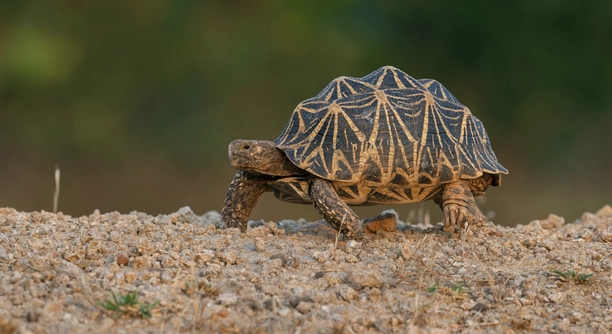
Turtles are fascinating creatures, but sometimes, their shells can develop brown spots. This issue may seem concerning, but understanding its causes can help you provide better care for your pet and maintain their health.
Brown spots on a turtle’s shell can result from various factors, including poor diet, bacterial infections, or environmental stress. It is important to observe the turtle’s overall health and environment to determine the exact cause of the spots.
Knowing the reason behind these brown spots can guide you in taking the right steps to improve your turtle’s well-being. Keeping a close eye on their habitat, diet, and health will help ensure they stay happy and healthy.
Common Causes of Brown Spots on Your Turtle’s Shell
Brown spots on your turtle’s shell can be caused by a variety of factors. One of the most common reasons is a poor diet. Turtles need a balanced diet of leafy greens, vegetables, and animal protein. If they are not getting enough of these nutrients, it can lead to health problems, including brown spots. Another possible cause is bacterial infections. These infections can occur if the turtle’s living environment is not kept clean or if the turtle’s shell is injured. Stress, caused by a dirty tank, improper lighting, or other environmental factors, can also result in brown spots. If the tank is too small or if the water temperature is incorrect, the turtle’s health can suffer, and this may show up as brown spots.
If your turtle is exposed to harmful bacteria, the shell might develop brown spots that could indicate a deeper infection. Make sure to keep the tank clean, provide fresh water, and monitor the turtle’s behavior closely for other signs of illness.
Proper lighting is essential for a turtle’s health. Lack of UVB light can weaken the shell and contribute to the development of brown spots. UVB light helps turtles process calcium, which is necessary for strong bones and shells. Without it, they may develop deformities, including discolored spots on their shell.
How to Prevent and Treat Brown Spots
Regular tank maintenance is crucial for preventing brown spots. Cleaning the tank weekly, providing clean water, and changing it frequently will reduce the risk of bacterial infections. Additionally, monitoring the temperature of the water and making sure it stays within the proper range helps avoid stress.
Making sure your turtle’s diet is varied and balanced is also important. You should feed them leafy greens like kale and collard greens, as well as other vegetables, and supplement with protein like fish or mealworms. A healthy diet helps support their immune system, making them less likely to develop brown spots.
Bacterial Infections and Brown Spots
Bacterial infections are a common cause of brown spots on a turtle’s shell. These infections can occur due to poor water quality or an injury to the shell. Bacteria thrive in dirty environments, so keeping the turtle’s habitat clean is essential.
If your turtle develops brown spots, check for any signs of infection, such as swelling or pus. These symptoms may require a visit to the vet for antibiotics. Keeping the tank clean, and regularly changing the water, will reduce the chances of infection. A clean environment can also help your turtle heal faster if it’s already infected.
Some bacterial infections can cause deeper issues if left untreated, such as shell rot. Shell rot can result in soft, decaying areas on the shell, which need immediate attention. Proper treatment, including antibiotics or a special ointment prescribed by your vet, can stop the infection from spreading and help the turtle recover.
Stress and Brown Spots
Stress is another factor that contributes to brown spots on a turtle’s shell. A stressed turtle can develop various health issues, including discolored spots. Poor water conditions, such as improper temperature or inadequate filtration, are major stress triggers.
Turtles are sensitive to their environment. If the tank is too small or crowded, or if there is too much noise or activity around them, they may experience stress. A stressed turtle may refuse to eat, hide, or show signs of physical decline. Keeping the habitat stable, with proper water quality and lighting, is key to reducing stress.
Addressing the cause of stress is crucial. You should make sure that the tank is big enough for the turtle to move freely. Additionally, adding hiding spots, like rocks or plants, can give them a sense of security. Reducing loud noises or sudden movements around their enclosure can also help ease stress.
Poor Diet and Brown Spots
A poor diet can lead to brown spots on your turtle’s shell. If the turtle isn’t getting the proper nutrients, it can affect its health and shell condition. A lack of calcium and vitamins can make the shell weak and prone to discoloration.
A balanced diet with leafy greens, vegetables, and protein sources like fish or worms is essential. Turtles also need calcium, which they can get from cuttlebone or calcium supplements. If the diet lacks these nutrients, the turtle may develop brown spots as a sign of weakness in its shell.
Shell Injuries and Brown Spots
Shell injuries are another reason for brown spots on your turtle’s shell. If the turtle’s shell is scratched or damaged, it can lead to infection or scarring, which can appear as brown spots.
Make sure your turtle’s habitat is free of sharp objects that could cause injury. A damaged shell can become more susceptible to bacteria, which may lead to further health complications. Monitoring the turtle regularly for injuries and keeping its environment safe will help avoid this problem.
Water Quality and Brown Spots
Poor water quality is a major factor in developing brown spots on a turtle’s shell. Dirty water can lead to infections and stress. Regular cleaning and proper filtration are necessary for a healthy environment.
Maintaining clean, filtered water helps prevent bacterial growth, which can cause brown spots or other shell problems. Water quality is one of the easiest ways to keep your turtle healthy and avoid any potential issues with its shell.
FAQ
What are the main causes of brown spots on a turtle’s shell?
Brown spots on a turtle’s shell can be caused by a variety of factors, including poor diet, bacterial infections, stress, and injuries. A lack of proper nutrition can weaken the shell, leading to discoloration. Infections, often caused by unclean environments, can also result in brown spots. Stress from improper tank conditions, like low water temperature or insufficient space, can contribute to this problem. Lastly, shell injuries can lead to scarring, which may appear as brown spots on the shell.
How can I prevent brown spots on my turtle’s shell?
To prevent brown spots, ensure your turtle is in a clean, stress-free environment. Regularly change the water and clean the tank to avoid bacterial infections. Providing proper UVB lighting and maintaining a stable temperature will also help keep your turtle healthy. A well-balanced diet with calcium supplements will support the strength of the shell. Make sure the tank is large enough and has hiding spots to reduce stress.
Can brown spots on a turtle’s shell go away on their own?
In some cases, brown spots may fade or disappear on their own if the cause is due to a temporary issue, such as a slight nutritional imbalance or a small injury. However, if the brown spots are due to an infection or persistent environmental stress, they may not go away without treatment. It’s important to monitor the turtle’s behavior and consult a vet if the spots persist or worsen.
How do I treat brown spots caused by bacterial infections?
If the brown spots are caused by a bacterial infection, the turtle may need antibiotics prescribed by a vet. Keep the tank clean and ensure proper water filtration. You might need to treat the turtle’s shell with a topical antibiotic ointment, depending on the severity of the infection. Regular cleaning and good water hygiene are key to preventing the infection from spreading.
Can a turtle’s shell be repaired if it’s damaged?
In cases where the turtle’s shell is injured and causing brown spots, the shell can sometimes heal with proper care. Minor cracks or injuries may heal on their own if the turtle is in a clean, stress-free environment. If the injury is severe, you may need a vet to treat the damage and prevent infection. In more serious cases, shell reconstruction may be necessary.
Are there any natural remedies for brown spots on a turtle’s shell?
While natural remedies may help support the turtle’s healing process, they should not replace veterinary care if there’s an infection. Adding aloe vera gel to the affected area can soothe minor skin irritations. Additionally, ensuring your turtle gets enough sunlight or UVB lighting can improve its overall health. However, if the brown spots are due to an infection or injury, it’s best to seek professional treatment.
How often should I clean my turtle’s tank to prevent brown spots?
It’s important to clean your turtle’s tank regularly to avoid bacterial growth that could lead to brown spots. You should clean the tank and change the water at least once a week. Additionally, check the water filter regularly and replace it when necessary. Regular cleaning ensures a healthy environment, reducing the risk of infections and other health problems.
Can brown spots on a turtle’s shell be a sign of poor health?
Yes, brown spots can indicate poor health in a turtle, especially if they are caused by infections or improper care. Brown spots may be an early sign of shell rot or nutritional deficiencies. It’s essential to monitor your turtle closely and adjust its care routine accordingly. If the spots persist or worsen, it’s a good idea to consult a veterinarian.
What type of diet helps prevent brown spots on a turtle’s shell?
A healthy, well-rounded diet is essential to prevent brown spots on a turtle’s shell. Offer your turtle a mix of leafy greens like kale, collard greens, and dandelion greens. Provide vegetables like carrots and squash and include a protein source such as fish, worms, or crickets. Ensure the diet includes calcium-rich foods or supplements to strengthen the shell and bones.
Can stress cause permanent damage to my turtle’s shell?
Prolonged stress can lead to a weakened immune system, which may cause the turtle to develop brown spots or other health issues. Stress itself doesn’t usually cause permanent damage to the shell, but the associated health problems, like infections, can lead to more serious issues if left untreated. Providing a stress-free environment is important for the long-term health of your turtle.
Is it safe to use turtle shell medicine or ointments to treat brown spots?
Turtle shell medications and ointments can be helpful in treating minor injuries or irritations, but they should be used with caution. Always consult a veterinarian before using any products on your turtle’s shell. Some ointments or treatments may not be suitable for all types of infections and could cause more harm than good if used incorrectly.
Final Thoughts
Taking care of your turtle and ensuring its shell stays healthy is important for its overall well-being. Brown spots on a turtle’s shell can be a sign of various issues, such as poor diet, bacterial infections, stress, or shell injuries. Identifying the cause of these spots is the first step in providing the right treatment. Regular monitoring of your turtle’s environment and health can help you spot problems early on and take action before they become more serious.
Maintaining proper tank conditions is key to preventing brown spots. Make sure your turtle’s habitat is clean, with proper water filtration, a stable temperature, and enough space to move around. Regularly cleaning the tank, changing the water, and ensuring the turtle gets enough UVB light will help create a healthy environment. Along with a balanced diet, these simple steps will go a long way in preventing stress, infections, and other health problems that might lead to brown spots.
If you notice that your turtle’s brown spots do not go away or seem to worsen, seeking advice from a veterinarian is important. They can help determine if the issue is related to a bacterial infection or a more serious condition that requires medical attention. By providing your turtle with the proper care, environment, and diet, you’ll help ensure it remains healthy and its shell stays strong and vibrant. Brown spots may be concerning, but with the right approach, you can help your turtle recover and prevent future issues.

Hello,
If you enjoy the content that we create, please consider saying a "Thank You!" by leaving a tip.
Every little bit helps us continue crafting quality advice that supports the health, happiness, and well-being of pets around the world, for pets of all shapes, sizes, and species.
We really appreciate the kindness and support that you show us!