
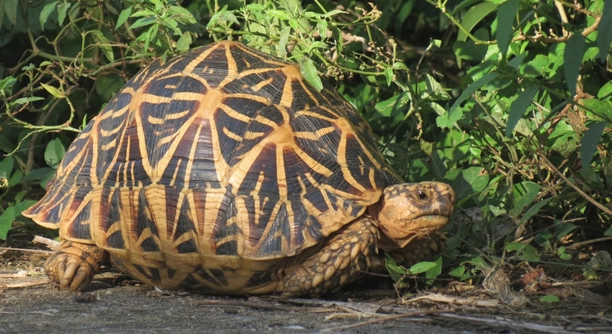
Creating the perfect basking spot for your turtle is essential for their health and happiness. A comfortable and well-equipped space will allow your pet to thrive. This simple guide offers seven helpful tips to achieve that.
A suitable basking spot should include a heat source, UVB lighting, and a dry surface where the turtle can rest. It is essential to provide a comfortable temperature gradient and a place for the turtle to climb out of the water.
These straightforward tips will help you build a space that your turtle can enjoy for many years.
1. Choosing the Right Location
When setting up your turtle’s basking spot, picking the right location is key. You want a space that gets plenty of natural light or one where you can easily set up proper lighting. Keep in mind that turtles need both UVB light for their health and warmth for basking. Position the spot in an area where it won’t be disturbed by daily activities, giving your turtle the peace it needs to feel safe and comfortable. Avoid placing the basking area near drafts or in areas where temperatures fluctuate drastically.
A consistent temperature is important for your turtle’s wellbeing. Aim to keep the area warm enough for them to bask comfortably.
The basking spot should be within reach of your turtle’s water area but elevated enough so that it stays dry. By ensuring the spot is out of direct drafts and away from high-traffic areas, you’re helping your turtle enjoy its basking time without unnecessary stress. Also, check that the lighting doesn’t create too much glare or disturbance.
2. Providing Adequate Heat
For your turtle to thrive, the basking area must provide the right amount of heat. A heat lamp is often the best way to maintain the warmth needed for your turtle to stay healthy. The ideal temperature for basking should range between 85-95°F (29-35°C). If the area is too cold, your turtle won’t be able to fully digest its food or properly absorb nutrients.
A temperature gradient between the water and basking area helps.
In addition to using a heat lamp, consider using a thermometer to monitor the temperature closely. Having a heat source close enough to the basking platform is crucial for keeping the turtle warm, but don’t place it directly above to avoid overheating. It’s a good idea to position the lamp to provide the most warmth at one side of the basking platform while allowing the turtle to move towards cooler areas if it gets too hot. Maintaining this temperature balance will help your turtle stay healthy and happy in its environment.
3. UVB Lighting for Health
Turtles need UVB lighting to help them metabolize calcium and maintain strong bones. A UVB lamp should be placed near the basking spot but not directly above it to avoid burning. The UVB light should be on for 10-12 hours a day, mimicking natural sunlight.
Without UVB light, turtles can suffer from metabolic bone disease. Make sure to use a high-quality UVB bulb specifically designed for reptiles. These bulbs lose effectiveness over time, so they should be replaced every 6-12 months, even if they still seem to work. Keep the UVB light within a reasonable distance of the basking spot—about 12 inches—to ensure it provides adequate exposure.
UVB light also helps your turtle maintain a natural day-night cycle, promoting overall health. A consistent light schedule is crucial for their well-being, as too much or too little light can disrupt their body’s rhythm. Ensure the lighting system works well with the heat lamp to create a balanced environment for your turtle.
4. Selecting the Right Basking Platform
The basking platform should be sturdy and easy for your turtle to climb onto. It needs to be dry, non-slippery, and able to support the turtle’s weight. Floating platforms are a popular option, as they provide easy access to the water.
Choose a platform that offers ample space for your turtle to spread out. It’s important that it allows your turtle to fully dry off after swimming. Platforms made of natural materials like wood or stone can be aesthetically pleasing and mimic natural habitats, but make sure they are safe and easy to clean.
You can also use a ramp or steps to make it easier for your turtle to reach the basking area. It’s best to adjust the height of the platform so your turtle can access it without too much effort. If your turtle struggles to climb, it might avoid basking altogether, so keep the climb accessible.
5. Ensuring Proper Humidity Levels
Maintaining the right humidity levels is crucial for your turtle’s health. If the environment is too dry, it can lead to dehydration and skin issues. The humidity in the tank should be between 40-60%.
To manage humidity, you can place a shallow water dish near the basking area or use a humidifier. It’s also helpful to monitor the tank’s humidity regularly using a hygrometer. If the air is too dry, you can increase humidity by spraying the tank with water a few times a day.
6. Water Quality Matters
Water quality plays a huge role in your turtle’s overall health. Filtration is essential to keep the water clean, especially in a small tank. Make sure to use a filter that is rated for the size of your tank to keep it clear and free from debris.
Regular water changes are important to prevent the build-up of harmful bacteria. You should replace 25-50% of the water every week to keep it fresh. A good filtration system will reduce the need for frequent changes but shouldn’t replace regular cleaning.
7. Avoiding Overcrowding the Tank
It’s important not to overcrowd the tank, as this can cause stress and impact your turtle’s health. Too many turtles can lead to territorial issues and inadequate space for basking.
Each turtle should have enough room to move around freely and access both the water and basking spots. Overcrowding can also affect the quality of the water, making it harder to maintain a healthy environment for your pet.
FAQ
How long should my turtle bask each day?
Turtles typically need 4-6 hours of basking each day. This allows them to warm up, absorb UVB light, and digest their food properly. Too little basking time can affect their health, leading to weak bones and poor digestion. If you’re using artificial lighting, ensure the UVB light is on for around 10-12 hours a day to mimic natural sunlight, providing your turtle with a healthy day-night cycle.
Can I use a regular light bulb instead of a UVB lamp?
No, regular light bulbs do not provide UVB radiation, which is necessary for your turtle’s health. UVB light helps turtles process calcium and maintain strong bones. You’ll need to invest in a UVB-specific lamp, which is made for reptiles. Without it, your turtle could develop metabolic bone disease, which can severely affect its health.
What temperature should the basking area be?
The basking area should be between 85-95°F (29-35°C). This temperature range helps your turtle stay active and aids in digestion. If the basking spot is too cold, your turtle may not be able to properly digest its food. Use a heat lamp to maintain this temperature and keep an eye on the thermometer to make sure it stays consistent.
How do I know if my turtle is getting enough UVB light?
If your turtle is not basking as much as usual or showing signs of lethargy, it might not be getting enough UVB light. Additionally, calcium deficiencies, such as soft or deformed shells, can indicate insufficient UVB exposure. Keep the UVB light within 12 inches of the basking platform and replace the bulb every 6-12 months, even if it still seems to work.
Should I keep my turtle’s basking spot dry?
Yes, the basking spot should be dry to allow your turtle to fully dry off after swimming. Turtles rely on basking to regulate their body temperature and dry their skin. If the spot is too damp, it can lead to skin infections or other health problems. Ensure the basking platform is above the waterline and easy to climb onto.
Can I use a floating platform for basking?
Floating platforms can work well, especially if they are sturdy and easy for your turtle to climb on. Ensure the platform stays dry and provides enough space for your turtle to rest comfortably. Some floating platforms have ramps to make climbing easier, which can help your turtle access the basking area with less effort.
How do I maintain proper water quality for my turtle?
Keeping the water clean is essential for your turtle’s health. Invest in a good filtration system that is appropriate for the size of your tank. Change the water regularly—about 25-50% weekly—to avoid harmful bacteria build-up. Regularly check the water temperature and remove any debris to maintain a healthy environment.
What type of lighting should I use for my turtle?
For optimal health, your turtle needs two types of lighting: a heat lamp and a UVB lamp. The heat lamp will provide warmth for basking, and the UVB light is crucial for calcium absorption and overall health. Make sure both lights are placed properly, with the heat lamp focusing on the basking area and the UVB light positioned to cover the space where your turtle basks.
How often should I replace the UVB light bulb?
UVB light bulbs lose their effectiveness over time, even if they still seem to work. It’s recommended to replace the UVB bulb every 6-12 months. If you notice your turtle is not basking as much or showing signs of calcium deficiency, it might be time to replace the bulb, even if it hasn’t burned out yet.
Can my turtle get too much heat?
Yes, too much heat can cause stress or even harm your turtle. If the basking area is too hot, it can lead to dehydration or burns. Always use a thermometer to monitor the temperature and ensure it stays within the recommended range of 85-95°F (29-35°C). If your turtle seems to avoid the basking area or shows signs of overheating, adjust the temperature accordingly.
What kind of substrate should I use for the basking area?
For the basking area, it’s best to use a non-slip surface, such as smooth rocks, tiles, or a sturdy platform. Avoid using loose substrates like gravel or sand, as they can cause injury or be ingested by the turtle. The surface should allow your turtle to dry off and rest comfortably without slipping.
Do I need to provide water for my turtle to drink?
Turtles get most of their hydration from the water they swim in, but it’s still a good idea to offer fresh drinking water. Place a shallow water dish near the basking area where your turtle can drink if needed. Make sure the water is always clean and changed regularly to prevent any contamination.
Can I keep more than one turtle in the same tank?
It’s possible to keep multiple turtles in the same tank, but it depends on the species and tank size. Overcrowding can lead to stress, aggression, and competition for basking space. Ensure the tank is large enough to provide each turtle with sufficient space to bask and swim comfortably. Always monitor their behavior to make sure they are getting along.
How can I tell if my turtle is stressed?
Turtles show signs of stress through behaviors like not eating, staying in the water too long, excessive basking, or hiding. Stress can also cause aggression or lethargy. If you notice these signs, it might indicate an issue with the environment, such as improper temperature, lighting, or overcrowding. Make adjustments and observe your turtle’s behavior to help it feel more comfortable.
Final Thoughts
Creating the perfect basking spot for your turtle involves a balance of temperature, light, and space. By ensuring the area is warm enough, with both UVB lighting and a comfortable dry spot, your turtle will be able to bask properly. This setup helps with digestion, bone health, and overall well-being. A well-designed basking spot allows your turtle to fully dry off after swimming, which is important for its health and skin condition.
Keeping the tank clean and maintaining proper humidity is also essential for your turtle’s environment. The water should be filtered regularly, and the humidity levels need to be monitored to ensure that your turtle stays hydrated and comfortable. A clean tank not only promotes health but also reduces the risk of bacterial infections or other health issues. It’s also important to avoid overcrowding the tank, as this can lead to stress and poor living conditions.
In the end, the goal is to provide a space that mimics your turtle’s natural habitat as much as possible. With proper care and attention to detail, your turtle will have a safe and comfortable place to bask and thrive. By following these simple steps, you’re helping ensure that your turtle leads a long, healthy, and happy life.

Hello,
If you enjoy the content that we create, please consider saying a "Thank You!" by leaving a tip.
Every little bit helps us continue crafting quality advice that supports the health, happiness, and well-being of pets around the world, for pets of all shapes, sizes, and species.
We really appreciate the kindness and support that you show us!