
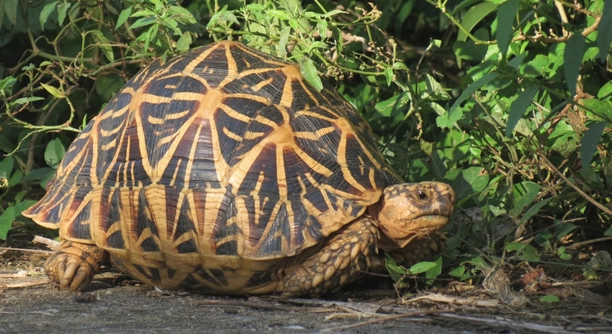
Turtles are cold-blooded animals that need specific temperature conditions to thrive. A tank that’s too cold can affect their health and well-being. Recognizing the signs of an improperly heated tank is essential for your turtle’s comfort.
Cold tanks are a common problem for pet turtles, especially if the water temperature is too low for prolonged periods. This can lead to lethargy, lack of appetite, and respiratory issues, all of which can harm your turtle’s health.
Ensuring your turtle’s tank is at the correct temperature is vital for their health. By keeping an eye out for these signs, you can prevent potential issues and make adjustments quickly.
Your Turtle Might Be Less Active Than Usual
When a turtle’s tank is too cold, it can cause them to become sluggish or even inactive. Turtles naturally regulate their body temperature based on their environment. If the water is too chilly, they will slow down and try to conserve energy. This lack of movement could indicate that the tank is not at an ideal temperature. Turtles in cold environments tend to stay at the bottom of the tank, where they feel less exposed to the cooler surface area. It’s crucial to observe their behavior to ensure they’re not just hiding due to temperature issues.
If your turtle is less active than normal, it might be a sign that it’s too cold. Keep an eye on their usual routine, and look for changes in behavior.
Turtles are known for their slow movements, but if they’re showing little to no activity, it could be because they’re trying to preserve energy in an environment that’s too cold. When they get too chilly, their metabolism slows down, which results in less energy and, consequently, less activity.
Your Turtle Refuses to Eat
Turtles need warmth to digest food properly. If your turtle is not eating, it may be because the tank temperature is too low. The cooler the environment, the slower their metabolism becomes, leading them to lose interest in food. A turtle that refuses food might not be ill but simply struggling to function at an ideal temperature. Consistently low temperatures will eventually affect their immune system and overall health, so it’s important to address this as soon as possible.
It’s essential to check their tank regularly. If they aren’t eating, try adjusting the temperature and offering their favorite foods.
A turtle’s diet is vital to its health, and when it stops eating, it can indicate a bigger problem. Inadequate warmth can prevent digestion and make them feel lethargic. When the water temperature is too low, they may not feel like eating because their body cannot process the food efficiently. For healthy digestion and appetite, make sure your turtle has access to the correct water temperature. Over time, you may notice weight loss and a decrease in overall health if the temperature remains too low. To ensure their well-being, provide a proper heat source and monitor the water temperature closely.
Your Turtle Develops Respiratory Problems
Cold temperatures in the tank can make your turtle more susceptible to respiratory infections. If your turtle starts to have difficulty breathing or exhibits signs like wheezing, it could be because the water is too cold. These infections can be dangerous if left untreated, leading to further complications.
Respiratory problems are common when turtles are exposed to temperatures that are too low for prolonged periods. When the water isn’t warm enough, their immune system becomes weaker, making them vulnerable to bacteria and infections. You might notice your turtle swimming erratically or even gasping for air. To avoid serious health risks, it’s crucial to make sure your turtle’s tank is kept at the proper temperature. A consistent, warm environment will help protect your turtle’s respiratory health.
If your turtle develops a respiratory issue, it’s important to act quickly. Take immediate steps to adjust the water temperature to a more suitable level. If symptoms persist, consult a vet for further treatment. Keeping the environment stable will support your turtle’s immune system, reducing the risk of illness.
The Water Temperature Is Too Cold to the Touch
If you find the water in your turtle’s tank feels cold to the touch, it’s likely not at the right temperature. Turtle tanks should maintain a specific range to ensure their overall health. The ideal temperature for most turtle species is between 75°F and 80°F for the water, with a basking spot reaching 85°F to 90°F.
Using a thermometer will help you determine whether the water is too cold. It’s easy to assume the water is fine, but the only way to know for sure is by checking the temperature regularly. In colder climates or during the winter months, it’s essential to ensure that the tank is kept warm. A water heater can help maintain the right temperature.
If you feel the water is too cold, adjust the temperature by adding a reliable aquarium heater. This will provide a stable environment for your turtle, encouraging them to stay active and healthy. Keep the tank’s temperature within the ideal range to avoid any negative effects on your turtle’s health and behavior.
Your Turtle Is Not Basking Properly
If your turtle isn’t basking as much as usual, the water temperature could be too low. Turtles need warmth from the water and their basking area to regulate their body temperature. Without the right heat, they might avoid basking.
A turtle that isn’t basking enough may not be able to digest food properly or stay healthy. This behavior can be a direct sign that the water temperature is too cold. Make sure the basking spot is warm enough, and the overall temperature of the tank supports healthy activity.
Your Turtle’s Shell Appears to Be Shallow or Soft
A cold tank can cause a turtle’s shell to become soft or show signs of damage. This happens because they’re unable to properly absorb calcium without the right temperature. A lack of basking also affects their shell growth.
Calcium is essential for a strong, healthy shell. Without the proper warmth, your turtle cannot absorb calcium efficiently, making the shell weaker. Over time, the lack of proper care can lead to deformities or soft spots. Adjust the tank’s temperature to avoid these issues and ensure your turtle gets the right nutrients.
FAQ
How can I tell if the water temperature in my turtle’s tank is too low?
The most reliable way to check the water temperature is by using an aquarium thermometer. If the temperature is below 75°F, it’s likely too cold for your turtle. You may notice your turtle becoming sluggish, avoiding basking, or not eating. These are signs that the water may not be warm enough. Regularly monitor the water to keep it within the ideal range of 75°F to 80°F for the health of your turtle.
What should I do if the water temperature is too low?
If the water temperature is too low, it’s important to quickly adjust it. Add a reliable aquarium heater designed for the size of your turtle’s tank. Make sure the heater is working properly and the temperature stays stable. Also, check the basking area to ensure it’s warm enough, between 85°F and 90°F. Monitor the temperature over a few days to confirm it’s within the safe range for your turtle.
Can my turtle’s health improve once I warm up the tank?
Yes, once you raise the water temperature, your turtle’s health can improve significantly. The increased warmth will help your turtle become more active, regulate its metabolism, and digest food properly. It can also reduce the risk of respiratory problems, soft shell issues, and lethargy. Just make sure the temperature is maintained consistently to prevent further issues.
How long can a turtle survive in cold water?
Turtles are resilient, but they can only survive in cold water for a limited time. If the water stays too cold for extended periods, it will severely impact your turtle’s health. A cold environment weakens their immune system and metabolism, making them vulnerable to infections and other complications. It’s best to keep the water at a consistent temperature to prevent any long-term damage to your turtle’s health.
Can a turtle’s shell get soft from cold water?
Yes, cold water can cause a turtle’s shell to soften. When the temperature is too low, turtles cannot metabolize calcium effectively, which leads to weaker shells. Over time, this can cause deformities, soft spots, or other health issues. To prevent this, ensure that the tank’s temperature is kept within the proper range and that your turtle has access to a basking area for proper calcium absorption.
How do I maintain the correct temperature in my turtle’s tank?
Maintaining the correct temperature involves using a combination of a reliable aquarium heater and a thermometer. Set the heater to keep the water between 75°F and 80°F. The basking spot should also be monitored and kept between 85°F and 90°F. Check the temperatures regularly to make sure they are stable. It’s also important to avoid placing the tank in drafts or areas where the temperature fluctuates too much.
Can a cold tank cause my turtle to stop eating?
Yes, a cold tank can cause your turtle to stop eating. When the water temperature is too low, your turtle’s metabolism slows down, making it uninterested in food. It’s important to provide the right temperature to stimulate your turtle’s appetite. If the temperature is correct and your turtle still refuses food, consider other factors, like illness or stress.
What’s the best water heater for a turtle tank?
The best water heater for a turtle tank depends on the size of the tank. For small to medium tanks, a submersible heater works well. Make sure it has an adjustable thermostat to maintain a stable temperature. For larger tanks, consider a powerful heater that can handle the volume of water. Always choose a heater that is designed for aquatic use to ensure safety.
Can my turtle survive without a heater in warm climates?
In warmer climates, it’s possible for your turtle to survive without a heater, but only if the ambient temperature is consistently warm enough. However, it’s still essential to monitor the water temperature. Even in warm climates, nighttime drops in temperature can affect your turtle’s health, so having a heater as a backup is a good idea.
How do I know if my turtle is too cold?
If your turtle appears lethargic, is not basking, or is staying at the bottom of the tank for long periods, it may be too cold. Other signs include shallow breathing, lack of appetite, and a soft or weak shell. If you notice these symptoms, check the water temperature and adjust it immediately.
Can cold water cause respiratory infections in turtles?
Yes, cold water can weaken your turtle’s immune system, making them more prone to respiratory infections. Turtles need a warm, stable environment to stay healthy. If the water is too cold, bacteria and viruses can thrive, leading to illness. Ensuring the water is at the proper temperature can help prevent these infections.
Is it okay if my turtle’s basking area is too hot?
A basking area that is too hot can be harmful. While turtles need warmth to digest food and regulate their body temperature, excessive heat can lead to dehydration or stress. Make sure the basking area stays within the 85°F to 90°F range. Monitor the temperature and adjust the heat source if necessary to avoid overheating your turtle.
Final Thoughts
It’s crucial to maintain the right temperature in your turtle’s tank to ensure its health and well-being. Turtles rely on their environment to regulate their body temperature, and when the water is too cold, it can cause a variety of issues. From lethargy and loss of appetite to more serious conditions like respiratory infections, a cold tank can quickly become harmful. Regularly checking the water temperature with a thermometer and adjusting it as needed can help avoid these problems.
If you notice any signs of cold-related issues, such as reduced activity or a soft shell, it’s important to act quickly. The sooner you adjust the temperature, the better the chances are that your turtle will recover. A proper water heater is a simple and effective solution for maintaining a stable temperature, but you must also ensure the basking area is warm enough for your turtle to regulate its body heat. Keeping both areas at the right temperature will give your turtle the best chance for a healthy life.
Caring for a turtle means understanding its needs, including the temperature of its tank. While it can seem like a small detail, temperature control is one of the most important factors in your turtle’s health. By paying attention to their behavior and making sure their environment is stable, you can help your turtle live a long, happy life. The effort you put into maintaining the right conditions for your turtle will pay off in the form of a healthy, active pet.

Hello,
If you enjoy the content that we create, please consider saying a "Thank You!" by leaving a tip.
Every little bit helps us continue crafting quality advice that supports the health, happiness, and well-being of pets around the world, for pets of all shapes, sizes, and species.
We really appreciate the kindness and support that you show us!