
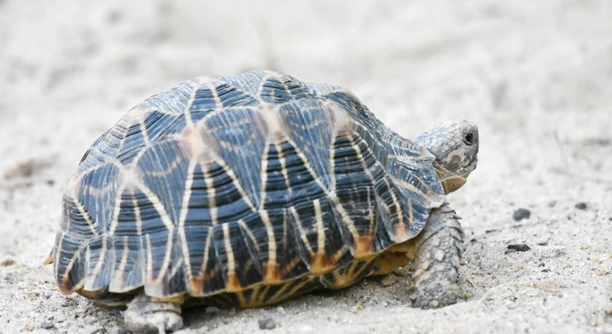
Turtles are fascinating creatures, often displaying quirky behaviors. One common action you might notice is your turtle rubbing its face with its feet. Understanding why they do this can help you better care for your pet.
Turtles rub their faces with their feet for various reasons, including cleaning themselves, relieving irritation, or simply stretching their limbs. This behavior is natural and usually not a cause for concern unless accompanied by other signs of distress.
This behavior can reveal a lot about your turtle’s health and environment. Keep reading to learn more about what this action means and how to ensure your turtle stays happy and healthy.
Reasons for Face Rubbing in Turtles
Turtles have unique ways of interacting with their environment. Face rubbing is one of those behaviors that often grabs the attention of turtle owners. When a turtle rubs its face with its feet, it could be a sign of several things. One of the most common reasons is that they are simply cleaning themselves. Turtles will use their feet to wipe away debris or excess mucus, helping them maintain their hygiene. Another possible reason is that it could be a form of stretching, as turtles need to move their limbs to keep them flexible. Sometimes, the action is simply an instinctual behavior tied to comfort.
In some cases, face rubbing can be a sign of irritation or a mild infection. If you notice excessive rubbing, swelling, or other unusual signs, it could indicate a health problem. Make sure to monitor your turtle’s behavior closely.
It’s important to remember that this behavior is typically harmless and not an immediate cause for concern. However, consistent or excessive rubbing can sometimes signal health issues that need attention, such as eye problems or skin irritation. If your turtle is rubbing its face often, it’s worth keeping a close eye on the frequency and checking for any signs of discomfort.
How to Address Face Rubbing
If you notice your turtle rubbing its face, the first step is to check if it’s just cleaning or stretching. Make sure there’s nothing in its enclosure that might be irritating its skin, such as rough surfaces or sharp objects.
However, if the rubbing becomes frequent or intense, it’s important to look deeper. Ensure that your turtle’s habitat is clean and free from any contaminants, as dirty water or unclean tank surfaces can lead to skin irritation or infections. Pay attention to your turtle’s eyes and nose. If they seem swollen, watery, or discharge any mucus, it might indicate a health issue that requires a vet’s care. Additionally, providing a balanced diet with all necessary nutrients can help maintain your turtle’s overall health and immunity. When in doubt, seeking professional advice is always a good option to prevent any potential issues from worsening.
Common Health Issues That Lead to Face Rubbing
Turtles may rub their faces if they are experiencing health issues, such as eye infections or skin irritation. If face rubbing is persistent or accompanied by other symptoms like swelling or discharge, it’s important to investigate further.
Eye infections are common in turtles and can lead to discomfort, causing them to rub their faces. If you notice that the rubbing is more focused around the eyes, it could be a sign of infection. Dry eyes or conjunctivitis can also cause irritation, prompting your turtle to try to relieve the discomfort by rubbing its face. Skin irritation, whether due to a fungal infection, improper tank conditions, or poor diet, could also make a turtle rub its face to relieve the itchiness.
In both cases, it’s essential to monitor your turtle closely for any changes in behavior or appearance. If the rubbing becomes frequent or if you notice swelling, discharge, or redness around the eyes or skin, it’s time to consult a vet. Proper care, such as maintaining water quality and providing a balanced diet, will help prevent these issues from occurring.
Checking for Environmental Factors
Sometimes, the environment your turtle is in can cause discomfort, leading to face rubbing. Water quality is one of the most important factors to consider. Dirty or polluted water can irritate your turtle’s skin and eyes, making it more likely for them to rub their face. If you notice your turtle rubbing excessively, check the water temperature, pH level, and cleanliness. A dirty tank can lead to bacterial infections or skin irritations.
In addition to water quality, your turtle’s tank should have appropriate hiding spots and smooth surfaces. Sharp rocks or rough surfaces can cause irritation or injuries to your turtle’s sensitive skin, prompting it to rub its face for relief. Make sure your turtle’s habitat is safe and comfortable. If you suspect the environment is the cause, a water change or tank cleaning might help alleviate the issue.
Signs That Face Rubbing is a Health Concern
When face rubbing becomes more than occasional, it could signal an underlying health issue. Pay attention to changes in your turtle’s behavior. Frequent rubbing, especially if combined with swelling or redness, may point to an infection or injury.
Look for signs like discharge from the eyes, nasal mucus, or puffy skin. These symptoms are often associated with respiratory or eye infections. If these occur, it’s important to take action quickly. Prolonged discomfort may worsen the condition, so early intervention is key to preventing further health complications.
Preventing Excessive Face Rubbing
Maintaining a clean and healthy environment can reduce the chances of your turtle rubbing its face excessively. Regular water changes and proper tank maintenance help prevent bacterial or fungal infections. Additionally, feeding a balanced diet will ensure your turtle gets the nutrients it needs for healthy skin and eyes.
FAQ
Why is my turtle rubbing its face with its feet?
Face rubbing in turtles is most commonly a way for them to clean themselves or stretch. They might rub their face to remove dirt, debris, or mucus. It’s a natural behavior, especially after eating or coming out of the water. If the rubbing is excessive, it might indicate irritation or discomfort due to skin conditions, eye infections, or even water quality issues.
How can I tell if my turtle is rubbing its face because of an infection?
Infection-related rubbing often comes with other symptoms. If your turtle is rubbing its face and showing signs like swelling around the eyes, discharge, or redness, it may be infected. Infections can affect the eyes or skin, causing irritation. It’s important to observe any other symptoms like lethargy, loss of appetite, or abnormal behavior, which could signal a more serious issue requiring veterinary attention.
What can I do to prevent my turtle from rubbing its face?
To prevent face rubbing, make sure your turtle’s habitat is clean and well-maintained. Regular water changes help maintain water quality, reducing the risk of skin infections. Ensure that your turtle’s tank is free from rough surfaces or sharp objects that could cause irritation. Also, offer a balanced diet with all the necessary nutrients to keep your turtle healthy and strong.
Can poor water quality cause my turtle to rub its face?
Yes, poor water quality can cause irritation to your turtle’s skin and eyes, prompting it to rub its face. Dirty or contaminated water can lead to infections or skin conditions, which may cause discomfort. Regularly check and maintain the water temperature, pH levels, and cleanliness of the tank to avoid these problems.
How do I clean my turtle’s tank to prevent face rubbing?
Cleaning your turtle’s tank is essential in preventing face rubbing caused by poor water quality. Change the water regularly—ideally once a week—depending on the size of the tank and number of turtles. Clean the tank walls, substrate, and filter to remove debris. Be sure to monitor the temperature and pH levels to keep the water at ideal conditions for your turtle’s health.
Should I be worried if my turtle rubs its face occasionally?
Occasional face rubbing is usually nothing to worry about. It’s a normal behavior for turtles, as they often rub their faces to clean themselves or stretch. However, if the rubbing becomes frequent or is accompanied by signs of illness, such as eye discharge, swelling, or loss of appetite, it’s a good idea to investigate further.
Can face rubbing be a sign of stress in turtles?
Yes, face rubbing can sometimes be linked to stress, although it’s not the most common cause. Stress in turtles can result from poor tank conditions, like overcrowding, improper lighting, or temperature fluctuations. If your turtle seems stressed, make sure its environment is comfortable and that it’s not being disturbed by other pets or excessive noise.
Is it normal for my turtle to rub its eyes with its feet?
Yes, it’s normal for turtles to rub their eyes with their feet from time to time. They often do this to clean away dirt or mucus. However, if your turtle seems to be rubbing its eyes more than usual, or if you notice eye swelling or discharge, it could be a sign of an infection. Keep an eye on it and seek veterinary advice if needed.
Can my turtle get an eye infection from rubbing its face?
While face rubbing itself doesn’t directly cause eye infections, it can be a sign of an existing eye problem. If your turtle has an eye infection, it may rub its face in an attempt to relieve irritation. Infections can be caused by poor water quality or injury. If your turtle’s eyes are swollen, watery, or crusted, consult a veterinarian for proper treatment.
What should I do if my turtle’s rubbing becomes excessive?
Excessive rubbing can indicate that something is wrong. If you notice that your turtle is rubbing its face frequently, check its environment for any possible irritants. Ensure that the water is clean, the tank is free of sharp edges, and your turtle is eating well. If the behavior doesn’t improve or if you see signs of infection, it’s best to consult a vet.
How can I make sure my turtle’s diet is helping prevent face rubbing?
A well-balanced diet plays a crucial role in your turtle’s overall health. Offer a variety of foods, including leafy greens, vegetables, and protein sources like insects or fish. Vitamin A is particularly important for eye health, so make sure your turtle’s diet includes foods rich in this nutrient, like carrots, sweet potatoes, and leafy greens. A nutritious diet strengthens your turtle’s immune system and helps prevent skin and eye issues that could cause face rubbing.
Can humidity levels in my turtle’s tank cause face rubbing?
Yes, if the humidity levels in your turtle’s tank are too high or too low, it can cause skin irritation, leading to face rubbing. Turtles are sensitive to humidity changes, which can affect their skin health. It’s important to maintain appropriate humidity levels in the tank, depending on your turtle species. Too much moisture can cause fungal growth, while too little can lead to dry skin.
When should I take my turtle to the vet about face rubbing?
If the face rubbing persists or is accompanied by other symptoms like eye discharge, swollen eyes, skin irritation, or loss of appetite, it’s a good idea to take your turtle to the vet. Any sign of infection, such as redness, swelling, or mucus, should not be ignored. Early treatment can prevent more serious health problems.
Can face rubbing be related to a respiratory infection in turtles?
Yes, face rubbing can sometimes be linked to respiratory infections. Turtles with respiratory infections may rub their faces due to irritation around the nose or mouth area. Symptoms of a respiratory infection include wheezing, open-mouth breathing, or nasal discharge. If you notice these signs, take your turtle to a vet for diagnosis and treatment.
How often should I check my turtle for signs of illness?
It’s a good idea to check your turtle regularly for signs of illness, especially if you notice any unusual behaviors like excessive face rubbing. Inspect its eyes, skin, and shell for any abnormalities. Regular checks will help you catch any health issues early and prevent them from becoming more serious. Keeping your turtle’s habitat clean and maintaining good water quality also helps reduce the risk of health problems.
Final Thoughts
Face rubbing in turtles is generally a normal behavior. Turtles often rub their faces with their feet to clean themselves or stretch their limbs. This behavior is common after they eat or come out of the water. In most cases, it’s not something to worry about. If your turtle is rubbing its face occasionally, it’s probably just trying to stay clean or comfortable. As long as it doesn’t seem to be in distress or exhibit other troubling signs, this is typically harmless.
However, if the rubbing becomes more frequent or intense, or if your turtle shows other symptoms like swollen eyes, discharge, or skin irritation, it could be a sign of a health issue. In these cases, it’s important to pay closer attention to your turtle’s overall behavior and condition. Issues such as infections, skin irritations, or poor water quality might be the cause. These conditions can cause discomfort, and face rubbing might be your turtle’s way of dealing with it. If you suspect a health problem, it’s best to consult a veterinarian who specializes in reptiles to get the right diagnosis and treatment.
The key to preventing face rubbing from becoming a problem is keeping your turtle’s environment clean and ensuring it has proper care. A clean tank with the right water conditions and a balanced diet can reduce the chances of skin irritation or infections. Regularly check for any changes in your turtle’s behavior, as these could be early signs of a health issue. With the right attention and care, your turtle can live a healthy, happy life without excessive face rubbing or discomfort.

Hello,
If you enjoy the content that we create, please consider saying a "Thank You!" by leaving a tip.
Every little bit helps us continue crafting quality advice that supports the health, happiness, and well-being of pets around the world, for pets of all shapes, sizes, and species.
We really appreciate the kindness and support that you show us!