
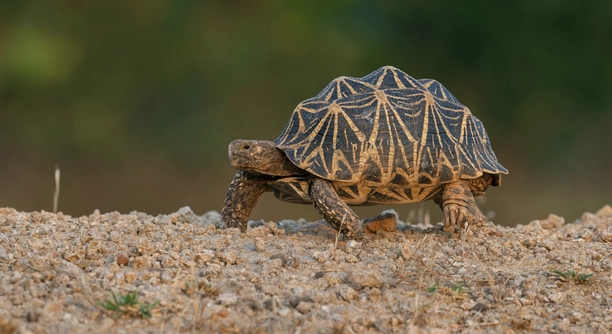
Feeding your turtle a balanced diet is key to its health and longevity. Offering the right vegetables ensures that your turtle gets essential nutrients for a well-rounded diet. It’s important to choose wisely for optimal nutrition.
The best vegetables for turtles include leafy greens like kale, dandelion greens, and collard greens. These vegetables provide necessary vitamins and minerals, contributing to the overall well-being of your turtle. A variety of vegetables is essential for a balanced diet.
Selecting the right vegetables will help ensure that your turtle stays healthy and happy. A proper diet is crucial for maintaining its strength and vitality.
Kale: A Top Choice for Your Turtle’s Health
Kale is one of the best vegetables to include in your turtle’s diet. Rich in calcium, fiber, and essential vitamins, it supports strong bones and a healthy shell. Kale also provides a good amount of antioxidants, promoting overall wellness. Offering a variety of greens like kale keeps the diet balanced. It is important to avoid overfeeding kale, as too much can lead to an imbalance in nutrients.
Including kale ensures your turtle gets necessary nutrients like vitamin A and vitamin K. However, moderation is key to prevent calcium overload. Turtles thrive on diversity in their food, so make sure to rotate this leafy green with other options.
Kale is also a great option because it is easy to prepare and doesn’t require much cleaning. Simply wash it thoroughly, chop it up, and offer it to your turtle. If they enjoy it, you can include it in their meals several times a week for added benefits.
Dandelion Greens: Full of Nutrients
Dandelion greens are packed with nutrients. They are a great addition to any turtle’s diet.
These greens are an excellent source of calcium, vitamin A, and vitamin K. Dandelion greens also promote digestion and support immune health. They help in keeping your turtle’s diet rich in variety and full of essential minerals. These greens can be easily found and are safe for most turtles.
Collard Greens: A Nutritious Option
Collard greens are another great vegetable for your turtle. They are rich in calcium, fiber, and vitamins A and K, promoting healthy bone growth and shell development. These greens should be offered regularly but in moderation to maintain a balanced diet.
Collard greens provide important antioxidants, which help protect against diseases and support the immune system. Turtles benefit from these greens because they help ensure digestive health. Like other leafy vegetables, collard greens are easy to prepare. Simply wash, chop, and serve. You can mix them with other vegetables to create a well-rounded meal.
In addition to being a nutritious option, collard greens are also easy to grow if you prefer feeding your turtle fresh produce. If growing them isn’t an option, they are often available in most grocery stores. Just make sure they’re fresh and free from pesticides.
Carrots: A Crunchy Treat
Carrots are a good vegetable to offer your turtle, providing vitamin A and beta-carotene. They are beneficial for eye health and overall wellness.
While carrots are not as nutrient-dense as leafy greens, they are a crunchy, enjoyable treat. Carrots also add variety to your turtle’s meals, preventing the diet from becoming too repetitive. Although high in sugar, carrots can be fed in moderation to avoid any imbalance. You can offer them grated, chopped, or whole, depending on your turtle’s preference.
Squash: A Versatile Vegetable
Squash is a great vegetable for turtles. It is low in fat and high in vitamins A and C, promoting healthy vision and a strong immune system.
This vegetable is easy to digest and offers a soft texture that many turtles enjoy. You can feed it in various forms, such as raw, steamed, or pureed, for added variety. Squash is also packed with water, which helps keep your turtle hydrated.
Squash also contains potassium, which is important for maintaining heart and muscle function. Offering it as part of a varied diet helps ensure your turtle’s health remains at its best.
Bell Peppers: A Colorful Addition
Bell peppers are high in vitamin C, making them an excellent choice to support your turtle’s immune system. Their vibrant colors also attract attention, encouraging your turtle to eat.
These peppers can be cut into small pieces and served as a treat or mixed with other vegetables. They add a crunchy texture to your turtle’s meals, and their mild flavor is well accepted by many turtles. Bell peppers are also low in calories, making them a healthy addition to a balanced diet.
FAQ
Can turtles eat lettuce?
Lettuce, particularly iceberg lettuce, is not the best choice for your turtle. While it is safe in small amounts, it has very little nutritional value and can cause diarrhea if fed in excess. Instead, focus on darker, leafy greens like kale, dandelion greens, and collard greens, which provide more nutrients and are better for your turtle’s health.
How often should I feed my turtle vegetables?
You should feed your turtle vegetables daily, but vary the types to ensure a balanced diet. Offer a mix of leafy greens, carrots, and other vegetables. It’s important not to overfeed any one type of vegetable, as this can lead to nutritional imbalances. For adult turtles, vegetables should make up about 80% of their diet.
Are there vegetables that turtles should avoid?
Yes, certain vegetables should be avoided due to their potential harmful effects. For example, avoid feeding turtles spinach, as it contains oxalates, which can interfere with calcium absorption and lead to kidney problems. Additionally, avoid feeding onions, garlic, and certain types of nightshade vegetables, like tomatoes, which may be toxic in large amounts.
Can I feed my turtle fruits instead of vegetables?
While fruits can be an occasional treat, they should not replace vegetables in your turtle’s diet. Fruits like strawberries, blueberries, and melon can be given in moderation, but they are high in sugar and lack the necessary nutrients that leafy greens provide. Focus on providing vegetables as the main source of nutrition.
Should I feed my turtle frozen vegetables?
Frozen vegetables are an acceptable option if fresh vegetables are unavailable, but they should be thawed and washed before serving. Be cautious about the types of frozen vegetables, as some may contain added preservatives or salt. Stick to plain, frozen veggies like peas, corn, and carrots, and always ensure they’re suitable for your turtle.
How do I prepare vegetables for my turtle?
When preparing vegetables, wash them thoroughly to remove pesticides or chemicals. Chop or shred the vegetables into small, bite-sized pieces to make it easier for your turtle to eat. You can feed them raw or lightly steamed, depending on your turtle’s preference. Avoid seasoning the vegetables with salt or any kind of dressing.
Can turtles eat flowers?
Yes, certain flowers are safe for turtles to eat. Flowers like hibiscus, dandelions, and pansies can be a nutritious addition to their diet. However, you should avoid flowers that have been treated with pesticides or chemicals, as these can be harmful to your turtle. Always ensure the flowers are safe before offering them to your pet.
How can I encourage my turtle to eat new vegetables?
Turtles can be picky eaters, so it may take time to get them used to new vegetables. Try offering a variety of vegetables and rotate them regularly. If your turtle refuses a particular vegetable, try cutting it into different shapes or mixing it with a favorite food. Patience is key when introducing new foods.
Can I feed my turtle leafy greens like kale every day?
Yes, kale is a great daily option for your turtle. It’s packed with nutrients, including calcium, fiber, and vitamins A and K. However, it’s important to rotate kale with other greens like collard greens, dandelion greens, and mustard greens to provide variety and prevent nutrient imbalances. A well-rounded diet is crucial for your turtle’s health.
What should I do if my turtle isn’t eating its vegetables?
If your turtle isn’t eating its vegetables, check to make sure the food is fresh and clean. Try offering different types of vegetables or mixing them with other foods your turtle enjoys. If your turtle continues to refuse food, it could be a sign of an underlying health issue, so consider consulting a vet.
Final Thoughts
Providing a well-balanced diet is essential for your turtle’s health and longevity. Vegetables play a key role in their overall nutrition, offering necessary vitamins, minerals, and fiber. Including a variety of vegetables in their diet helps to ensure they receive a broad range of nutrients. The more diverse the vegetables, the better it is for their digestion and overall well-being.
It’s important to offer vegetables that are safe and beneficial for your turtle. Some vegetables, such as leafy greens like kale and collard greens, provide a good source of calcium, fiber, and vitamins. On the other hand, certain vegetables should be avoided, like spinach, which contains oxalates that can interfere with calcium absorption. Ensuring you are familiar with what vegetables are safe and how to properly prepare them for your turtle will help avoid nutritional imbalances.
Ultimately, a healthy and varied diet will support your turtle’s immune system, digestive health, and overall growth. Remember that every turtle has unique needs, and their diet should reflect their specific species and size. Regularly offering fresh, properly prepared vegetables and mixing in occasional fruits and protein sources will contribute to their long-term health. Keep an eye on how your turtle responds to different foods, and always consult a vet if you notice any changes in their eating habits or behavior.

Hello,
If you enjoy the content that we create, please consider saying a "Thank You!" by leaving a tip.
Every little bit helps us continue crafting quality advice that supports the health, happiness, and well-being of pets around the world, for pets of all shapes, sizes, and species.
We really appreciate the kindness and support that you show us!