
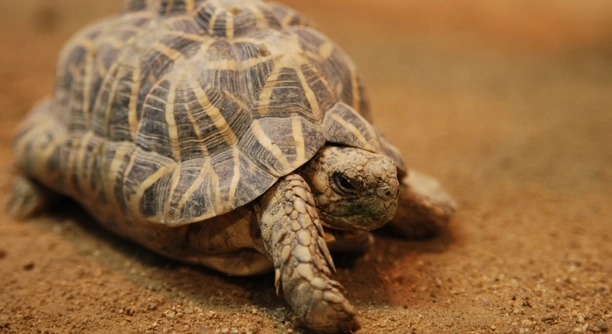
Turtles are fascinating creatures, but their behavior can sometimes be puzzling, especially when they seem to bite their owners. Understanding why your turtle is acting this way can help you improve your relationship with your pet.
Turtles often bite due to stress, territorial behavior, or because they mistake your hand for food. Ensuring they feel safe in their environment and offering proper care can minimize this aggressive behavior.
Addressing the underlying causes of this behavior can help create a more peaceful and positive interaction with your turtle.
Understanding Why Your Turtle Bites
Turtles may bite for various reasons, but it often comes down to their natural instincts. They are primarily solitary animals and can be quite territorial. If they feel threatened, they may react by trying to bite. It’s also possible that your turtle simply doesn’t recognize your hand as a safe object. This behavior can occur during feeding times when they might mistake your hand for food. In some cases, turtles may bite out of boredom or frustration if their environment lacks stimulation. Proper care, a well-structured habitat, and attention to their specific needs can reduce this aggressive response.
Your turtle’s diet plays an important role in its behavior. A balanced diet, along with adequate space to roam, can keep it from becoming frustrated and acting out. If they feel hungry or unsatisfied, they may lash out.
Understanding these triggers allows you to address the issue and create a better environment for your turtle. Providing the right care can minimize unwanted behaviors, allowing you and your pet to interact more peacefully.
Stress and Your Turtle’s Behavior
Stress is a significant factor that leads to biting. If your turtle feels unsafe, overcrowded, or is constantly being handled, it may respond with aggression. The environment plays a large role in shaping its mood. A tank that is too small, dirty, or lacks proper hiding spots can contribute to stress. It’s essential to recreate a natural, calm space that allows your turtle to retreat when it feels threatened. Giving them control over their space helps to reduce anxiety and aggression.
Offering a stress-free, suitable habitat can transform your turtle’s behavior. It will feel more comfortable and less inclined to bite.
Feeding Behavior and Mistaken Bites
Turtles are often motivated to bite because they mistake your hand for food. If you’ve been feeding them from your hand, they may associate your hand with food and instinctively attempt to bite. This can also happen if your turtle is hungry and excited for a meal.
Changing the way you feed your turtle can reduce biting behavior. Try using feeding tongs or placing food in their tank rather than hand-feeding. This way, they won’t associate your hands with food. Also, make sure to feed your turtle on a regular schedule to avoid hunger-induced aggression.
Feeding a balanced diet is just as important. A proper mix of leafy greens, vegetables, and protein will satisfy your turtle’s nutritional needs and prevent hunger-related frustration. A well-fed turtle is less likely to exhibit biting behaviors.
Handling Your Turtle
Handling is another common reason for bites. Turtles can be easily stressed by excessive or improper handling, leading them to bite. They may see hands as a threat, particularly if they’re not used to being picked up. Limit handling and avoid sudden movements.
When you do handle your turtle, ensure you’re doing so gently and confidently. Allow it to adjust to your touch and avoid grabbing it from above, which can be perceived as an attack. A calm, slow approach will make your turtle feel more secure.
Getting your turtle used to being handled slowly and consistently can build trust. Over time, your turtle will become less likely to bite out of fear.
Territorial Behavior
Turtles are naturally territorial and may bite if they feel their space is being invaded. If they have a designated area in their tank, they may act aggressively when that area is disturbed. It’s crucial to respect their space to avoid triggering this defensive response.
Creating a larger, more comfortable tank for your turtle can help prevent territorial behavior. Ensure they have enough space to roam, hide, and establish boundaries. Keeping their habitat clean and structured will minimize feelings of insecurity, which often lead to biting.
Health Issues
Sometimes, a turtle’s biting behavior can be linked to health issues. Pain or discomfort may make them more irritable and more likely to bite. If a turtle is injured or unwell, it may lash out due to stress or frustration.
Regular veterinary check-ups are essential to ensure your turtle remains in good health. Watch for signs of illness, such as changes in eating habits or unusual behavior. Prompt attention to health concerns will prevent unnecessary biting behavior caused by pain or discomfort.
Boredom and Lack of Stimulation
Turtles, especially those kept in smaller tanks, may bite out of boredom. Without enough mental or physical stimulation, they may start engaging in negative behaviors like biting. Providing enrichment like toys or tank mates can reduce boredom and improve your turtle’s mood.
Adding items to their tank, such as rocks, logs, or plants, can offer them the chance to explore and stay active. Additionally, rotating toys and objects will keep them engaged. A well-stimulated turtle is less likely to act out of frustration or boredom.
FAQ
Why does my turtle bite me when I try to pick it up?
Turtles can bite when they feel threatened or unsafe. If your turtle isn’t used to being handled, it may see your hand as a threat. Turtles have strong instincts to protect themselves, so sudden or unfamiliar movements can make them react defensively. Start by handling your turtle gently and consistently, allowing it to get used to your presence. Avoid picking it up quickly or from above, as this can startle them. Over time, with calm and gentle handling, your turtle should become more comfortable.
Can my turtle be trained to stop biting?
Yes, with time and patience, you can reduce biting behavior. Consistency is key. Work on building trust with your turtle by handling it gently, providing a safe and comfortable environment, and avoiding actions that may trigger stress or fear. Gradually, as your turtle becomes more accustomed to you, the likelihood of biting should decrease. Using feeding tongs rather than hand-feeding can also help prevent your turtle from associating your hands with food, which is a common cause of biting.
How can I tell if my turtle is stressed?
Stress in turtles can manifest through various signs, including erratic swimming, lack of appetite, or hiding more than usual. If your turtle appears lethargic or seems unusually aggressive, it may be stressed. Stress can also result in behavioral changes like biting. A stressed turtle may be reacting to its environment, inadequate tank conditions, or improper handling. To reduce stress, ensure the tank is appropriately sized, the water quality is maintained, and the environment is quiet and safe.
How often should I feed my turtle to prevent biting?
Turtles should be fed regularly, but overfeeding can lead to unhealthy behaviors. A general rule is to feed your turtle once a day, providing a balanced diet of vegetables and proteins. Make sure to remove any uneaten food to keep the tank clean. Hungry turtles may bite out of frustration, so maintaining a regular feeding schedule will help prevent this. If you’re hand-feeding, be cautious and use feeding tools to prevent your turtle from confusing your hand with food.
Can the size of my turtle’s tank affect its behavior?
Yes, the size of your turtle’s tank can significantly impact its behavior. A cramped or poorly structured tank can lead to stress, territorial aggression, and biting. Turtles need space to move freely, explore, and establish their own territories. A small tank can cause anxiety and frustration, which may result in biting behavior. Make sure your turtle has enough room to swim, hide, and bask, and provide enrichment items like rocks, logs, or plants to help reduce stress.
Is it normal for my turtle to bite its tank mates?
Turtles can be territorial, and it’s not uncommon for them to bite other tank mates, especially if the space is too small or there’s a lack of hiding spots. If you notice biting between turtles, it could be a sign of dominance or stress. Ensure your tank is large enough for all your turtles and that there are enough hiding spots to reduce conflicts. If aggressive behavior persists, it might be necessary to separate them to prevent injury.
What should I do if my turtle is constantly biting?
If your turtle is biting consistently, it’s important to first evaluate its environment. Stress, improper tank conditions, and poor handling practices are common triggers for biting. Ensure the tank is large enough, clean, and has plenty of hiding spaces. Also, avoid overhandling your turtle, especially if it’s not used to being picked up. If biting persists, consider consulting a veterinarian to rule out any underlying health issues.
How do I prevent my turtle from biting when it’s feeding time?
If your turtle is biting during feeding, it may be associating your hand with food. Try using feeding tongs to avoid direct contact with your hands, which can reduce the chance of your turtle mistaking your hand for food. Another option is to place food directly in the tank and allow your turtle to eat without interference. Regular, scheduled feedings can also help reduce hunger-related aggression.
Can a sick turtle bite more often?
Yes, illness can cause a turtle to bite more often. If a turtle is in pain or feeling unwell, it may become more irritable and defensive. If your turtle suddenly starts biting more frequently, it’s essential to observe for other signs of illness, such as a decrease in appetite, lethargy, or changes in its behavior. A visit to the vet is recommended to rule out any medical issues that could be causing the increased biting behavior.
Is it safe to continue handling my turtle if it keeps biting?
If your turtle continues to bite, it’s important to assess why it’s doing so. Handling a biting turtle can cause further stress, so try to minimize contact until the underlying cause is addressed. If the biting is due to stress, try to make the tank more comfortable and reduce handling. If it’s related to aggression or territorial behavior, ensure there are plenty of hiding spots and that the tank is large enough for your turtle. Once your turtle feels safe, it should be less inclined to bite.
What is the best way to calm down a biting turtle?
To calm down a biting turtle, start by ensuring its tank environment is stress-free. Make sure the tank is large enough, the water is clean, and there are plenty of hiding spots for the turtle to feel secure. Limit handling, especially if it’s a source of stress. If your turtle bites during feeding, switch to feeding tools to avoid direct contact with your hands. Over time, consistency and a stress-free environment should help reduce biting behavior.
Final Thoughts
Understanding why your turtle might bite you is the first step in resolving the issue. Turtles, like many animals, can be defensive, and biting is often a reaction to stress, fear, or territorial instincts. By creating a safe, comfortable environment for your turtle and respecting its space, you can minimize the chances of aggression. It’s also important to observe your turtle’s behavior closely and identify any signs of illness or discomfort. If your turtle’s biting persists despite addressing environmental factors, it may be necessary to consult a veterinarian to rule out underlying health issues.
A big part of managing your turtle’s behavior is handling it with care and patience. Turtles need time to adjust to their surroundings and to the presence of humans. Gradual and gentle interactions can help build trust, and over time, your turtle may become more comfortable with handling. However, it’s crucial not to force interactions, as this can lead to increased stress. If your turtle is not used to being picked up, it may bite out of fear. Giving it space to feel safe is essential in preventing this type of behavior.
Lastly, providing your turtle with the right tank conditions can go a long way in preventing biting and other behavioral issues. A proper tank size, clean water, and enriching the habitat with hides and plants help create a calm, comfortable environment. A stressed turtle is more likely to react defensively, so ensuring that its physical and emotional needs are met is key. By being patient, attentive, and thoughtful about your turtle’s needs, you can reduce the likelihood of biting and ensure that it lives a happy, healthy life.

Hello,
If you enjoy the content that we create, please consider saying a "Thank You!" by leaving a tip.
Every little bit helps us continue crafting quality advice that supports the health, happiness, and well-being of pets around the world, for pets of all shapes, sizes, and species.
We really appreciate the kindness and support that you show us!