
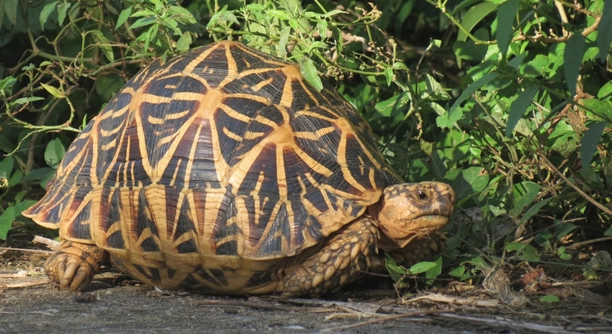
Turtles are fascinating creatures, but they can sometimes act in ways that leave their owners wondering. One common behavior is trying to climb the tank lid, a behavior that often raises questions.
Turtles typically attempt to climb the tank lid due to a mix of curiosity, environmental stress, or the need for more space. In their natural habitats, they are used to climbing and exploring their surroundings, which may lead to this behavior in captivity.
There are multiple reasons behind this behavior, including lack of stimulation or improper tank setup. Understanding why your turtle behaves this way will help you create a better environment for its health and well-being.
Understanding Turtle Behavior
Turtles are naturally curious and active animals. When they try to climb the tank lid, it’s often because they’re seeking something. This behavior could stem from a lack of space or stimulation in their environment. In the wild, turtles are used to climbing or basking on elevated surfaces. So, if your turtle is stuck in a tank without proper access to these activities, it may try to climb its lid in search of a new area to explore.
A turtle trying to climb the tank lid isn’t always a sign of distress, but it does indicate that something is missing in its habitat. It’s important to assess your tank setup and think about how it could better suit your turtle’s natural instincts.
Providing your turtle with a more enriching environment could help reduce this behavior. Adding rocks, logs, or other climbing structures within the tank can offer the stimulation they crave. Also, be sure your tank is large enough for your turtle’s size. If the space is cramped, your turtle will likely try to escape or seek out new areas.
Space and Tank Setup
One common reason for this behavior is a tank that’s too small. Turtles need room to move around and explore. A cramped tank limits their options, which may push them to seek out an exit or higher ground.
A larger tank with more space for swimming and climbing is crucial for a turtle’s well-being. Ensure the tank provides enough room to mimic their natural environment, which includes basking areas, underwater zones, and safe spaces for retreat. The ideal size will vary depending on your turtle’s species, but a good rule of thumb is at least 40 gallons for smaller turtles and larger tanks for bigger species.
Lack of Environmental Enrichment
Turtles need more than just water and food. If their environment is too plain, they will likely search for something more interesting, like climbing the tank lid. Without enriching features, your turtle may feel bored or stressed.
You can add logs, rocks, and plants to give your turtle something to interact with. These features mimic their natural habitat, which encourages exploration and activity. Simple changes, like adding a basking platform or a hiding spot, can make a big difference. This gives your turtle places to climb, hide, and explore, which can help reduce climbing behavior.
A turtle that has the chance to engage with its environment is more likely to be content. When your pet feels less confined and more stimulated, it will likely stop trying to climb the tank lid. Make sure there are areas for both swimming and basking, as this will provide balance and help reduce stress-related behaviors.
Temperature and Lighting Concerns
Improper temperature or lighting could also make your turtle restless. If the tank is too hot or too cold, your turtle might seek a cooler or warmer spot by climbing the lid.
Turtles need a proper gradient of temperature to feel comfortable. Ensure there’s a basking spot that’s warm and an area where the water temperature is cooler. Proper UVB lighting is also essential for their health. If these needs aren’t met, your turtle may try to leave its tank to find a more suitable spot.
Tank Lid Transparency
Turtles are visually driven creatures. If the tank lid is clear, your turtle might see the outside world and try to climb toward it. This curiosity often leads them to attempt an escape.
A clear lid can make your turtle believe it has a way out. If your tank has a glass or acrylic lid, your turtle might see the surroundings and attempt to climb toward it. Consider replacing the clear lid with one that blocks the view or creates a more natural, enclosed feeling.
Tank Mates
When sharing a tank, turtles may try to climb the lid due to competition or stress from tank mates. This could be caused by territorial behavior or overcrowding.
If there are too many turtles or incompatible species in the tank, it may cause your turtle to feel stressed or threatened. Overcrowding results in limited resources and space, pushing the turtle to find a way to escape. In these cases, separating the turtles or reducing the number of tank mates might be necessary to reduce the climbing behavior.
FAQ
Why does my turtle climb the tank lid?
Turtles often climb their tank lids due to curiosity, the need for more space, or environmental stress. In captivity, they may feel confined or bored, especially if their tank lacks proper enrichment. This instinctual behavior to climb or explore is common in the wild when they are looking for elevated surfaces to bask or seek new areas. Without enough room or stimuli inside the tank, they try to climb out in search of a more stimulating environment.
How can I stop my turtle from climbing the lid?
To reduce your turtle’s climbing behavior, start by improving the tank setup. Ensure that the tank is large enough for your turtle, with plenty of room for swimming and basking. Adding climbing structures such as rocks, logs, or plants can help satisfy its need for exploration. Also, check if your turtle’s temperature and lighting are correct, as improper conditions may cause stress. By providing a more comfortable and enriching environment, your turtle will likely stop trying to climb the lid.
Is it dangerous if my turtle keeps trying to climb the tank lid?
Yes, it can be dangerous if your turtle keeps trying to climb the lid. Repeatedly attempting to climb the lid can lead to injury, especially if the turtle falls or injures itself in the process. Additionally, if your turtle successfully escapes, it could be at risk of being harmed by predators, dehydration, or other hazards. Ensuring the tank lid is secure and the environment is well-suited for your turtle’s needs will reduce these risks.
What size tank does my turtle need?
The tank size your turtle needs depends on its species and size. As a general guideline, a 40-gallon tank is sufficient for smaller species. Larger species may require up to 75 gallons or more. A bigger tank offers more space to swim, bask, and explore, which can reduce climbing behavior. Remember that the tank should have areas for both water and dry land, so your turtle has room to climb and bask.
Should I use a clear lid for my turtle’s tank?
Using a clear lid can make your turtle more likely to try and climb out. If your turtle can see outside the tank, it may be motivated to escape. To reduce this behavior, consider using a lid that blocks its view of the outside. This can create a more natural, enclosed environment for your turtle, which can help ease stress and prevent escape attempts.
What can I do if my turtle is stressed and keeps climbing?
If your turtle is stressed, it’s essential to identify the source of stress. Check if the water temperature is correct, the lighting is appropriate, and there is enough space in the tank. Overcrowding, inappropriate tank mates, or lack of hiding spots can contribute to stress. Providing a comfortable, secure environment with proper heating, lighting, and enough room to roam should help your turtle feel more at ease.
Can I add other pets to my turtle’s tank?
It’s possible to add other pets to a turtle’s tank, but it must be done carefully. Some species of fish or other animals might not be compatible with turtles and could lead to aggressive behavior or stress. Incompatible species might also trigger territorial behavior, causing the turtle to try to escape. Research the species you plan to add and ensure they can coexist peacefully with your turtle.
How often should I clean my turtle’s tank?
Cleaning your turtle’s tank regularly is crucial to maintain a healthy environment. The tank should be cleaned at least once a week, but this may vary depending on the size of the tank and the number of turtles. A thorough cleaning involves removing waste, cleaning the filter, and changing a portion of the water. Regular maintenance prevents the buildup of bacteria and toxins, which can harm your turtle’s health and increase stress levels.
Can I use a tank lid that my turtle can’t climb?
Yes, using a tank lid that prevents climbing is a practical solution. A lid that secures tightly and does not offer any footholds will stop your turtle from trying to escape. You can also consider a lid with a mesh or screen design, which keeps the tank well-ventilated while reducing the chance of climbing. Just make sure the lid is secure enough to prevent any accidental escapes.
Final Thoughts
Turtles are curious creatures, and their behavior, like trying to climb the tank lid, is often rooted in natural instincts. When they attempt to escape or explore, it’s usually because they’re looking for more space or stimulation. In the wild, turtles climb or explore their surroundings, so in captivity, they might do the same. If your turtle is frequently trying to climb the tank lid, it’s important to assess the environment you’ve created for them. A lack of space, poor tank setup, or improper environmental conditions could be causing this behavior.
By making a few changes to your turtle’s habitat, you can likely reduce or stop this climbing behavior. Start by ensuring the tank is large enough to accommodate your turtle’s size, with both swimming and basking areas. Adding enrichment items like rocks, logs, and plants can provide your turtle with a more engaging environment. These additions will allow your turtle to express its natural behavior and reduce its urge to climb the tank lid. Additionally, be sure to check the temperature and lighting, as improper conditions can cause stress that leads to climbing.
In the end, understanding why your turtle behaves the way it does is key to creating a better environment. Turtles need space, stimulation, and proper care to thrive. When their needs are met, they are less likely to try climbing out of the tank. If you address these factors and make the necessary adjustments, you can help ensure that your turtle stays healthy, comfortable, and happy in its home.

Hello,
If you enjoy the content that we create, please consider saying a "Thank You!" by leaving a tip.
Every little bit helps us continue crafting quality advice that supports the health, happiness, and well-being of pets around the world, for pets of all shapes, sizes, and species.
We really appreciate the kindness and support that you show us!