
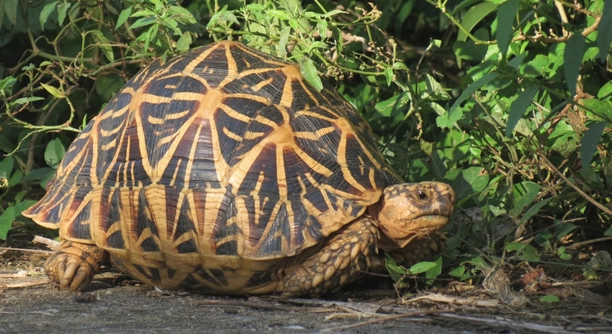
Turtles make wonderful pets, but their tanks can quickly become cloudy or dirty. Keeping their water clear is essential for their health and well-being. It’s important to know how to maintain a clean, healthy tank for your turtle.
To keep your turtle’s tank water clear, regular cleaning and proper filtration are key. Ensure you use a good filter designed for turtle tanks, change the water often, and remove uneaten food and debris promptly.
There are simple steps you can take to keep your turtle’s tank water clean. Learn how to maintain a healthy environment that supports both your pet’s health and your tank’s clarity.
Use the Right Filtration System
When setting up your turtle’s tank, investing in the right filter is a game changer. Turtles are messy creatures, and they need a filter that can handle their waste. A good filter will help keep the water clean by removing debris and excess food. Choose a filter that is rated for a tank size larger than what you have to ensure it runs efficiently. A canister filter or a power filter is usually the best option, as these can clean the water more thoroughly.
With the right filter, you won’t have to worry about frequent water changes. It can handle the heavy lifting, removing waste and particles from the water. This helps to keep your turtle’s habitat healthy and free of harmful bacteria.
The key is finding a filter that suits your tank’s size and your turtle’s needs. A properly maintained filter can save you time and effort while ensuring your turtle stays in a clean and healthy environment.
Remove Uneaten Food Regularly
One of the easiest ways to keep your turtle’s water clear is by removing uneaten food. Food that sinks to the bottom of the tank breaks down, creating waste that pollutes the water. It also encourages algae growth. Regularly check for leftover food and remove it within a few hours to prevent this buildup.
By getting rid of uneaten food, you reduce the amount of organic material in the water. This simple task can make a huge difference in the water quality and help your turtle thrive in a clean environment.
This step is especially important if you feed your turtle vegetables or other soft foods that may decay quickly. Keeping the tank tidy by removing food helps maintain clear, clean water with minimal effort.
Change the Water Regularly
Regular water changes are essential for keeping the water clear. Aim to change about 25% to 50% of the tank’s water every week, depending on the size of your tank and the number of turtles. This helps eliminate waste that the filter can’t catch and keeps the tank from becoming polluted.
Changing the water also helps dilute harmful chemicals that build up over time. If you have a larger tank or multiple turtles, you may need to change the water more frequently to maintain water quality. Always use a water conditioner to remove chlorine or chloramine before refilling the tank.
Without regular water changes, toxins can accumulate, leading to cloudy water and potential health problems for your turtle. Keeping a schedule and sticking to it ensures your turtle has a clean and safe habitat to live in.
Clean the Tank Decorations
Tank decorations, like rocks or plants, can collect dirt, algae, and other debris. Regularly cleaning these decorations is an important part of maintaining clear water. Wash decorations with warm water and a soft brush to remove any buildup.
Avoid using soap or cleaning products on the decorations, as these can harm your turtle. Cleaning the decorations once a week or as needed helps prevent the spread of algae and keeps the water quality high.
You can also soak decorations in a vinegar solution to remove stubborn algae. Just be sure to rinse everything thoroughly before placing it back in the tank. Keeping the decorations clean reduces the chances of cloudy water and maintains a healthy environment for your turtle.
Monitor Tank Temperature
Turtles thrive in specific temperature ranges, and keeping the tank at the right temperature helps maintain clean water. The ideal water temperature for most turtles is between 75°F and 80°F. Temperatures that are too high or too low can affect water quality.
If the water is too warm, it encourages bacteria and algae growth. If it’s too cold, the turtle’s metabolism slows down, affecting its waste production. Maintaining the correct temperature prevents these issues and promotes a healthier environment.
Regularly check the water temperature with a reliable thermometer to keep it within the appropriate range for your turtle.
Limit Direct Sunlight Exposure
Direct sunlight can cause algae growth in the tank. If your tank is placed in an area where sunlight hits it for long periods, algae may thrive. This leads to cloudy water and poor water quality.
By limiting sunlight exposure, you can reduce algae buildup and maintain a cleaner tank. Consider placing the tank in a location with indirect light or using a tank cover to control the exposure.
A little sunlight can be beneficial for your turtle’s health, but too much can create unwanted problems with water clarity.
FAQ
How often should I clean my turtle’s tank?
Cleaning your turtle’s tank should be done regularly to maintain clear water. You should change 25% to 50% of the water every week, depending on the tank’s size and the number of turtles. This prevents waste and harmful chemicals from building up. Additionally, decorations and the substrate should be cleaned weekly or when needed to remove algae and debris. A thorough tank cleaning, including disinfecting the entire setup, should be done every 4 to 6 weeks. Regular maintenance helps prevent cloudy water and keeps your turtle healthy.
Can I use tap water for my turtle’s tank?
You can use tap water, but it’s important to treat it first. Tap water contains chlorine and chloramine, which are harmful to your turtle. Always use a water conditioner to remove these chemicals before adding the water to the tank. Additionally, make sure the water temperature matches your turtle’s ideal range to avoid stress. Some people prefer using distilled or spring water, but tap water, when properly conditioned, is safe for most tanks.
Why is my turtle tank water turning green?
Green water is usually a sign of an algae bloom. Algae thrive in warm, nutrient-rich environments, which can be caused by excess light, uneaten food, and waste in the tank. To fix this issue, reduce the amount of light the tank gets, clean the decorations, and change the water more frequently. You can also invest in an algae-eating turtle or use an algae scrubber to help keep things under control. If the problem persists, consider using a UV sterilizer to eliminate algae spores.
Is it okay to use a filter in my turtle tank?
Yes, using a filter is essential for keeping your turtle tank water clean. Filters help remove debris, waste, and excess food that could otherwise pollute the water. Make sure to choose a filter suitable for the size of your tank and the number of turtles you have. Regularly clean the filter to ensure it works effectively. A good filtration system reduces the need for constant water changes and keeps your turtle’s environment healthier.
How do I prevent algae growth in my turtle’s tank?
To prevent algae growth, you need to control light exposure and limit excess nutrients. Avoid placing the tank in direct sunlight, as this encourages algae to grow. Clean decorations and the substrate regularly to remove any algae buildup. Additionally, feed your turtle only the amount of food it will eat in one sitting, and remove any uneaten food promptly. If you have plants in the tank, make sure they aren’t rotting, as this can contribute to algae growth. Regular water changes also help prevent algae.
Should I add plants to my turtle’s tank?
Adding live plants can be a great way to enhance your turtle’s habitat. Plants help improve water quality by absorbing excess nutrients that could otherwise fuel algae growth. However, turtles may nibble on the plants, so you may need to choose hardy, aquatic plants like Anubias, Java fern, or Hornwort. If you don’t want plants to be eaten, consider using plastic plants instead. Just make sure any live plants you add are safe for your turtle and can thrive in the same conditions.
Can I use gravel in my turtle tank?
Gravel can be used in a turtle tank, but it comes with some risks. Small gravel pieces can be accidentally ingested by your turtle, leading to digestive problems. If you do use gravel, make sure it’s large enough that your turtle can’t swallow it. Another option is using smooth river rocks or sand, which are easier to clean and less likely to cause harm. Regardless of what you choose, regular cleaning is essential to prevent waste buildup beneath the substrate.
How do I know if my turtle’s water is clean enough?
Your turtle’s water should be clear and free of debris. If the water appears cloudy or has a strong odor, it’s a sign that it’s not clean enough. Pay attention to the water’s clarity and smell, as these are the easiest indicators of water quality. Regular water testing is also a good idea to monitor levels of ammonia, nitrites, and nitrates. These chemicals should be at safe levels for your turtle to thrive. If the water starts turning cloudy or smelly, it’s time to change it or check your filtration system.
What temperature should my turtle’s tank water be?
Most turtles prefer water temperatures between 75°F and 80°F (24°C – 27°C). It’s important to maintain a consistent temperature within this range for optimal health. If the water is too cold, your turtle’s metabolism will slow down, leading to a less active and healthy pet. If the water is too warm, it may cause stress and encourage algae growth. Invest in a reliable water heater to maintain the temperature and use a thermometer to monitor it regularly.
Can I use a UV sterilizer in my turtle tank?
Yes, a UV sterilizer can help keep your turtle’s tank water clear. It works by eliminating harmful bacteria, algae, and other microorganisms from the water. This helps prevent algae blooms and keeps the water clearer for longer. While not necessary for every tank, it can be particularly helpful in larger tanks or tanks prone to algae issues. A UV sterilizer is a good addition if you’re dealing with persistent water clarity problems or want to maintain optimal water quality for your turtle’s health.
Final Thoughts
Maintaining clean water in your turtle’s tank is crucial for both the health of your pet and the overall appearance of its environment. Regular maintenance, such as changing the water, cleaning the tank, and using proper filtration, can significantly improve water clarity. Small actions, like removing uneaten food, can prevent waste buildup and reduce the chances of algae growth. Keeping your tank clean doesn’t have to be complicated, but consistency is key. A clear tank ensures that your turtle remains healthy and happy.
It’s also important to consider the specific needs of your turtle when setting up its environment. The type of filter, water temperature, and even the lighting in the tank can impact water quality. By choosing the right equipment and monitoring the tank regularly, you can avoid many common issues that lead to cloudy or dirty water. Every small adjustment you make can lead to a more comfortable and healthy home for your turtle, which in turn will make it easier for you to keep the tank clean.
In the end, a little effort and regular care will go a long way in keeping your turtle’s tank water clear. While it may seem like a lot at first, maintaining a clean tank becomes a routine. With the right practices in place, you’ll find that it’s easy to keep the water clear and ensure your turtle has a healthy and thriving habitat. By staying on top of the small details, like cleaning the filter and removing excess food, you’ll create a safe environment for your turtle to enjoy.

Hello,
If you enjoy the content that we create, please consider saying a "Thank You!" by leaving a tip.
Every little bit helps us continue crafting quality advice that supports the health, happiness, and well-being of pets around the world, for pets of all shapes, sizes, and species.
We really appreciate the kindness and support that you show us!