
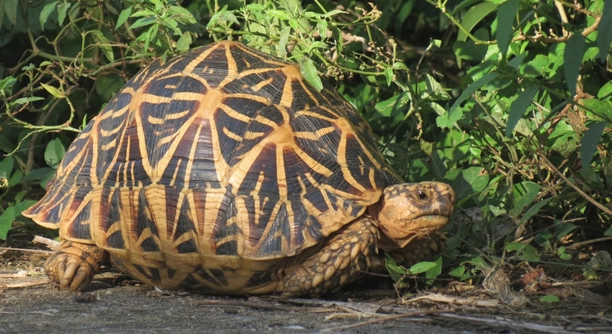
Turtles are popular pets, and watching them interact with their environment can be entertaining. However, if your turtle keeps lying on its side, you may start to wonder if something is wrong.
The most common reason for a turtle lying on its side is related to health issues such as metabolic bone disease, injury, or improper environmental conditions like water temperature or basking areas. These factors can make movement difficult.
Identifying the cause of your turtle’s behavior is crucial to providing the proper care. Understanding the potential issues behind this action will help ensure your turtle stays happy and healthy for years to come.
Common Causes of Turtles Lying on Their Side
Turtles can end up on their sides for various reasons, and it’s important to pay attention to their behavior. Metabolic bone disease is one of the most common issues. This condition weakens the bones of the turtle, making it harder for them to move or keep their balance. Poor diet, often lacking calcium, leads to this disease. Another possible reason is injury. If your turtle was accidentally dropped or bumped, it might have a strained or broken limb, causing it to fall over. Sometimes, water conditions or temperatures can also play a role. If the water is too cold, your turtle may become lethargic and find it harder to reposition itself.
In addition, improper tank setups can contribute. If your turtle’s basking area is poorly placed or there aren’t enough places to climb, they may struggle to flip themselves over when they end up on their sides. It’s essential to make sure the tank’s temperature and environment are both suitable for your turtle’s needs.
Pay attention to these factors to help your turtle get back to moving comfortably.
How to Identify Health Problems
If you notice your turtle lying on its side regularly, checking for signs of illness is vital. For example, check if it has difficulty moving or seems weak. This can help indicate possible health issues.
When turtles show such signs, the best approach is to get them examined by a vet. Metabolic bone disease is treatable if caught early. Proper care, including improving the diet and tank setup, can make a significant difference in their recovery.
Checking for Injury or Trauma
If your turtle keeps lying on its side, it could have sustained an injury. Look for signs of swelling, cuts, or obvious physical damage. Sometimes, even a small fall can lead to internal injuries. If the turtle is unable to right itself, the issue could be severe enough to warrant a vet visit.
Physical injuries can range from fractures to bruises, and they can make it hard for your turtle to move normally. In severe cases, if not treated promptly, these injuries can worsen. Always handle your turtle gently to avoid causing further harm, and if an injury is suspected, keep it in a quiet, safe place until you can get professional help.
The longer an injury goes untreated, the harder it becomes for your turtle to recover. If you’re unsure about the severity of an injury, it’s best to consult with a veterinarian who specializes in reptiles. Early intervention can make a big difference in your turtle’s health.
Proper Tank Setup
A poorly set-up tank could be why your turtle is lying on its side. Turtles need a proper basking spot and enough space to move around. If the basking area is too high, your turtle may struggle to climb it, making it harder to flip over if it falls.
Make sure the water temperature is ideal for your turtle’s species. Cold water can cause your turtle to become lethargic and have difficulty moving. The basking spot should be at a comfortable temperature as well, allowing your turtle to regulate its body heat properly. Without these elements, your turtle’s physical condition could deteriorate, leaving it more prone to accidents or distress.
Additionally, ensure your turtle has enough room in the tank to move freely. Overcrowded tanks or tanks with sharp objects can also lead to injury. A spacious, well-equipped tank gives your turtle the opportunity to maintain its physical health and avoid unnecessary struggles.
Metabolic Bone Disease
Metabolic bone disease can cause a turtle to be unsteady and prone to falling. A lack of calcium and other essential nutrients weakens the bones, making it difficult for your turtle to move and balance itself. If untreated, this can worsen over time.
A proper diet is crucial to prevent metabolic bone disease. Offer your turtle a variety of foods high in calcium, like dark leafy greens, and consider adding calcium supplements to their diet. UVB lighting is also necessary for turtles to absorb calcium properly. Without it, they may develop this disease and struggle to right themselves if they fall on their side.
Tank Temperature and Lighting
Your turtle needs proper lighting to stay healthy. Without the right UVB light, your turtle can’t produce enough vitamin D3, which is essential for calcium absorption. Inadequate lighting or temperatures in the tank can also cause your turtle to become sluggish and less capable of flipping itself over.
Check your tank’s temperature regularly to ensure it stays within the ideal range for your turtle’s species. A basking lamp should also be set at the correct height to provide warmth without overheating the turtle. This encourages healthy behavior and reduces the chances of your turtle staying on its side.
Why does my turtle keep flipping onto its back?
Turtles can flip onto their backs for several reasons, and it’s important to address the cause as soon as possible. It could be due to a weak or unbalanced shell, injury, or even a lack of proper space and environmental conditions. A common reason for flipping is poor tank setup. If the basking area is too high or the water level is too deep, your turtle may have trouble flipping back over when it falls.
Another potential issue could be metabolic bone disease, which weakens the turtle’s bones and makes it harder for them to maintain balance. A diet lacking in calcium or insufficient UVB lighting can lead to this condition. Regularly check your turtle’s environment, diet, and health to rule out any of these factors.
How can I prevent my turtle from lying on its side?
To prevent your turtle from lying on its side, first ensure that its tank setup is appropriate. There should be enough room for your turtle to move around comfortably. The basking area should be accessible, not too high, and well-positioned to ensure it can rest without difficulty.
Next, make sure the tank’s water temperature and the basking temperature are suitable for your turtle’s species. Without the right conditions, your turtle might become sluggish or unable to reposition itself. Additionally, a balanced diet rich in calcium and proper UVB lighting will help prevent metabolic bone disease, which can impair movement.
What should I do if my turtle is constantly on its side?
If your turtle is constantly on its side, it’s essential to first check for any physical injuries. Look for signs like swelling, cuts, or any abnormal appearance on the limbs or shell. If there’s any sign of injury, visit a vet for an evaluation.
Next, review your turtle’s living environment. Are the temperatures correct? Is there enough space for the turtle to move around? A poorly set-up tank can prevent your turtle from getting the proper rest or movement it needs. Also, make sure your turtle’s diet includes enough calcium and that it has access to UVB lighting.
Can a turtle recover from metabolic bone disease?
Yes, a turtle can recover from metabolic bone disease if it is caught early. Treatment typically involves improving the turtle’s diet by adding calcium supplements, increasing UVB exposure, and possibly providing supportive care for any injuries caused by the weakened bones.
However, recovery depends on how severe the disease is. In advanced cases, recovery may be limited, but a proper diet and environmental changes can still improve your turtle’s quality of life. Regular vet visits are crucial to track recovery progress and ensure the turtle remains healthy.
How can I tell if my turtle has an injury?
Look for visible signs of injury, like swelling, cuts, or changes in behavior. If your turtle seems unusually lethargic, has trouble moving, or avoids using one limb, it could indicate an injury. Any external damage to the shell or limbs should also be checked.
If the injury isn’t visible but your turtle continues to struggle, it’s still important to consult a vet. They can perform a thorough check-up to rule out any internal injuries or fractures that might not be immediately apparent. Catching injuries early ensures a better chance for recovery.
Is it normal for a turtle to lie on its side occasionally?
It’s normal for a turtle to occasionally end up on its side, especially when exploring or in playful moments. However, if it stays in this position for an extended period, that’s a sign that something is wrong. It could be an indication of physical weakness, poor tank conditions, or health issues like metabolic bone disease.
If it’s happening frequently, you should start monitoring your turtle’s behavior more closely and check the setup of its tank. Proper care, including diet and UVB lighting, can prevent many of the common causes for this behavior.
Can poor lighting cause my turtle to lie on its side?
Yes, poor lighting can be a contributing factor. Without proper UVB lighting, your turtle may develop metabolic bone disease, making it difficult for it to maintain balance or strength. UVB light is essential for calcium absorption, which is vital for bone health. Without it, your turtle might become weak and more prone to flipping onto its side.
Ensure that your turtle has access to proper lighting, both UVB and UVA, to maintain its health. Regularly change the bulbs, as their effectiveness can decrease over time. Proper lighting, along with a balanced diet, will help keep your turtle active and healthy.
How do I know if my turtle is healthy?
A healthy turtle will move actively, eat regularly, and respond to its environment. Its shell should be smooth, free of cracks or soft spots, and its eyes should be clear, not cloudy or swollen. Healthy turtles will also bask and swim with ease.
Check for signs of disease, such as lethargy, poor appetite, and abnormal behavior. If your turtle is struggling to move, has trouble flipping back over, or appears unbalanced, it could be a sign of underlying health problems like metabolic bone disease or an injury. Regular vet check-ups can help monitor its health.
Final Thoughts
If your turtle keeps lying on its side, it could be a sign of various issues that need attention. The most common reasons include metabolic bone disease, improper tank setup, or physical injuries. Metabolic bone disease is often caused by a poor diet and lack of UVB lighting, both of which are essential for your turtle’s overall health. It’s important to make sure that your turtle has access to proper lighting and a balanced diet, including enough calcium to maintain strong bones. Without these factors, your turtle could become weak and more likely to struggle with movement.
Checking your turtle’s tank setup is equally crucial. Turtles need space to move around, and their basking area should be positioned correctly. If the basking area is too high or hard to access, it could make it difficult for your turtle to flip over if it falls on its side. Additionally, the water temperature should be kept at the right level to avoid making your turtle sluggish. Ensuring the right environment will help prevent unnecessary stress and keep your turtle healthy.
Finally, if you notice your turtle constantly lying on its side, don’t ignore it. Whether it’s due to an injury, an illness like metabolic bone disease, or a poorly set-up tank, addressing the issue quickly is essential. A visit to the vet can help you get to the root of the problem, and it’s better to take preventive measures early on. Regularly monitoring your turtle’s health and ensuring its tank is set up properly will go a long way in preventing these issues.

Hello,
If you enjoy the content that we create, please consider saying a "Thank You!" by leaving a tip.
Every little bit helps us continue crafting quality advice that supports the health, happiness, and well-being of pets around the world, for pets of all shapes, sizes, and species.
We really appreciate the kindness and support that you show us!