
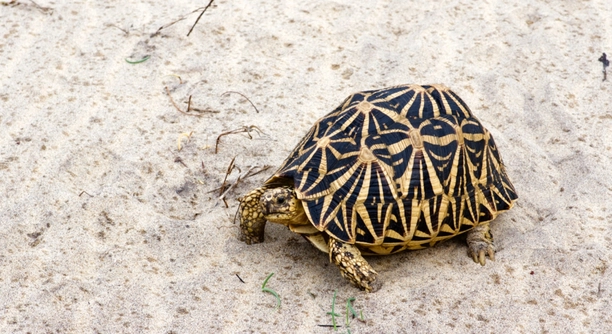
Turtles rubbing their shells on tank walls can be a concerning sight for pet owners. Understanding the behavior behind this action is important in maintaining their health and well-being in captivity. Several factors contribute to this behavior.
Shell rubbing may occur due to various reasons, including discomfort from improper tank conditions or a need for shedding. Other possible causes include stress, poor water quality, or the turtle attempting to relieve irritation.
Addressing the causes of shell rubbing is essential for improving your turtle’s living environment and ensuring its comfort. Understanding these factors helps you take appropriate action for its care and overall health.
Common Causes of Shell Rubbing
Turtles rubbing their shells against tank walls may be linked to environmental or health issues. One of the most common reasons for this behavior is a poor living environment, especially when water quality is not properly maintained. Turtles rely on clean, filtered water to stay healthy. If the water becomes dirty or if the temperature is too high or low, the turtle may rub against surfaces to relieve discomfort. Another common cause is the presence of a rough or abrasive surface in the tank. This friction may irritate the shell, leading the turtle to rub against the walls.
If the water temperature is inconsistent or if the filtration system is not functioning correctly, this can cause stress. This stress might prompt the turtle to try to escape or to rub itself along the tank’s walls, looking for relief. Tank conditions should always be monitored closely to ensure they are suitable for the turtle’s needs.
Tank conditions are essential for the turtle’s overall health. When water is unfiltered or at the wrong temperature, the stress it causes can lead to unwanted behaviors. Maintaining the right environment prevents discomfort and ensures your turtle’s well-being.
Shell Health and Shedding
Another reason for shell rubbing could be shedding. Turtles shed the outer layer of their shells as part of a natural growth process. During this time, the shell may feel tight or uncomfortable. As a result, the turtle may try to rub its shell to ease any irritation. Shedding may occur more frequently if the turtle is growing rapidly or if the tank conditions are not optimal for the shedding process.
Regular monitoring of your turtle’s shell will help you identify signs of healthy shedding. If shedding is too frequent or the turtle is struggling to shed, adjustments to tank conditions or diet may be necessary to support the process.
Maintaining optimal humidity, water temperature, and substrate quality will aid in a smoother shedding process.
Stress and Environmental Factors
Stress can play a significant role in shell rubbing. If the tank is too small or overcrowded, the turtle may feel confined, leading to stress and frustration. Other factors, such as loud noises, bright lights, or the presence of other animals, can contribute to this anxiety. A stressed turtle might rub its shell as a coping mechanism, trying to escape or find comfort.
Reducing stress can be done by adjusting the tank environment. Make sure there’s enough space for your turtle to move freely, and avoid placing the tank in areas with excessive noise or activity. Providing a quiet and secure space can help alleviate some of the stress.
The presence of other animals can also be a contributing factor. If there are other creatures in the tank, especially aggressive ones, the turtle might rub its shell to avoid contact. It’s important to assess the compatibility of tank mates to ensure a peaceful environment.
Shell Damage or Infection
If your turtle’s shell is damaged, it may begin rubbing against the tank in an attempt to relieve pain or irritation. Shell injuries can happen from rough surfaces, tank decorations, or aggressive behavior from other animals. The rubbing could be a sign that the shell is sore and in need of attention.
Shell infections are another concern. These can develop from poor water quality, which can lead to bacterial or fungal infections. Infections often cause swelling, discomfort, and itching. A turtle might rub its shell to relieve the irritation caused by these conditions.
Infected or damaged shells should be carefully monitored. If you suspect an infection, it’s important to consult a veterinarian. Proper tank maintenance and immediate treatment of injuries will help prevent further damage or infection.
Tank Temperature and Water Quality
The temperature of the water plays a crucial role in the well-being of your turtle. If the water is too cold or too warm, it can cause discomfort. Improper water conditions can also lead to stress, prompting your turtle to rub against surfaces. A proper tank heater and regular temperature checks can prevent this.
Water quality is just as important. Dirty water can irritate your turtle’s skin and shell. Regular water changes and the use of a filter are essential for maintaining a healthy environment. Monitoring both water temperature and quality ensures your turtle’s comfort.
Substrate and Tank Decorations
The substrate and decorations in the tank may also contribute to rubbing. Rough or jagged surfaces can irritate the turtle’s shell, leading it to rub against the walls. Smooth, soft substrates like sand or smooth pebbles are better for preventing injury.
Tank decorations should be placed carefully to avoid creating sharp edges. Ensuring the tank has gentle surfaces for your turtle to interact with will help prevent unnecessary rubbing and potential damage. Regularly check the tank’s decor for any signs of wear or sharp spots.
FAQ
Why is my turtle rubbing its shell constantly?
Constant shell rubbing could indicate several things, including discomfort due to poor water quality or temperature issues. It might also be caused by stress or the need to shed its shell. Ensuring your tank has clean water, optimal temperature, and enough space can help reduce this behavior. If the issue persists, check for any possible injuries or infections on the shell.
Can shell rubbing be a sign of illness?
Yes, shell rubbing can sometimes signal an infection or injury. Bacterial or fungal infections can cause the turtle’s shell to become irritated, leading to rubbing. If you notice any changes in the appearance of your turtle’s shell, such as swelling, discoloration, or unusual softness, it’s important to consult a veterinarian for proper treatment.
How can I reduce my turtle’s stress in its tank?
To reduce stress, ensure your turtle has a comfortable, spacious environment. Avoid overcrowding, and make sure the tank is placed in a quiet, calm area. Providing hiding spots or basking platforms will help your turtle feel secure. Additionally, consider adjusting the water temperature and quality to suit your turtle’s species.
What water temperature is ideal for my turtle?
Water temperature is vital for your turtle’s health. Most aquatic turtles prefer water temperatures between 75°F and 85°F (24°C to 29°C). The basking area should be warmer, around 85°F to 90°F (29°C to 32°C). Using a tank heater and thermometer ensures the water stays within the ideal range.
Can rough tank decorations cause shell rubbing?
Yes, rough or sharp tank decorations can irritate your turtle’s shell, leading to rubbing. It’s important to inspect all decorations and remove any items with jagged edges. Smooth rocks, plastic plants, or soft materials should be used to avoid any harm to your turtle’s shell.
How often should I clean my turtle’s tank?
Tank cleaning is essential for maintaining a healthy environment. It’s recommended to change 20% to 30% of the water every week. Additionally, filter maintenance should be done regularly to prevent buildup of waste. A full tank cleaning, including the substrate, can be done every month or when necessary.
What should I do if I see my turtle shedding its shell?
Shedding is a normal process for turtles, but if your turtle is having difficulty shedding or if pieces of the shell are stuck, it might require assistance. Ensure your turtle is in optimal water conditions to support healthy shedding. Gently cleaning the affected areas with a soft brush may help, but if shedding becomes excessive or problematic, consult a vet.
Can my turtle’s shell become damaged?
Yes, turtle shells can become damaged if exposed to rough surfaces, physical trauma, or other tank mates. Shell injuries can cause pain and lead to shell rubbing as the turtle tries to relieve discomfort. To avoid shell damage, ensure the tank environment is safe, and monitor your turtle for any signs of injury.
How can I tell if my turtle is stressed?
Signs of stress in turtles include unusual behavior such as shell rubbing, hiding more often than usual, or aggression toward tank mates. Changes in eating habits or lethargy can also be indicators of stress. Reducing stress factors like poor water conditions or overcrowding can help your turtle feel more comfortable.
What should I do if I notice an infection on my turtle’s shell?
If you suspect an infection, it’s important to act quickly. You can try cleaning the shell gently with a saline solution and ensure the water quality is optimal. However, infections may require professional treatment, so it’s best to consult a vet who specializes in reptiles for proper diagnosis and care.
Do all turtles rub their shells?
Not all turtles will rub their shells. It’s more common in turtles with specific needs or problems related to their environment. If your turtle is rubbing its shell, it’s important to assess its habitat and overall health to identify the cause of the behavior.
How do I know if my turtle’s tank is the right size?
A tank should provide enough space for your turtle to swim freely and comfortably. A good rule of thumb is that the tank should be at least 10 gallons per inch of your turtle’s shell length. Make sure there are areas for basking, hiding, and swimming to give your turtle a balanced environment.
Is it normal for a turtle to rub its shell after eating?
While it’s not a typical behavior, some turtles might rub their shells after eating if they feel the need to readjust themselves or relieve discomfort. However, if this behavior is frequent or excessive, it’s a good idea to check for potential health issues like shell injuries or digestive problems.
What type of food can help my turtle’s shell health?
A balanced diet is key for your turtle’s health, including the health of its shell. Offer a mix of high-quality turtle pellets, fresh vegetables, and protein sources such as worms or shrimp. Calcium-rich foods like leafy greens and cuttlebone are especially important for maintaining a strong, healthy shell.
How can I prevent my turtle from rubbing its shell?
The best way to prevent shell rubbing is by addressing potential causes like poor water quality, tank size, and temperature. Make sure the tank environment is clean, the temperature is regulated, and there are no rough surfaces. Regularly inspect your turtle for any signs of injury or infection, and consult a vet if needed.
Can shell rubbing cause long-term damage to my turtle’s health?
If shell rubbing is caused by an underlying issue like infection or injury, it can lead to long-term damage if not addressed. Persistent rubbing can also cause stress, which may affect the turtle’s overall health. It’s important to identify the root cause and correct any environmental or health problems promptly.
Final Thoughts
When it comes to turtles rubbing their shells, it’s important to understand the various factors that could be causing this behavior. While it can sometimes be linked to normal actions like shedding, it often points to issues such as discomfort in their environment or potential health problems. Ensuring that the water quality, temperature, and tank setup are optimal is key to preventing unnecessary shell rubbing. Providing a safe, clean, and comfortable environment will help your turtle stay healthy and stress-free. Regular monitoring and small adjustments can make a significant difference in preventing or solving this behavior.
If you notice your turtle rubbing its shell more than usual, take the time to check for possible underlying causes. The issue could be as simple as a water temperature problem or the presence of sharp tank decorations. On the other hand, it may indicate something more serious, like a shell infection or injury. Keeping the tank environment consistent, removing rough surfaces, and providing proper nutrition will all help address common causes. If the behavior persists or you notice other signs of distress, consulting a veterinarian specializing in reptiles is always a good idea.
Ultimately, the best way to prevent shell rubbing and ensure your turtle’s well-being is through regular maintenance of its living space. A clean tank, proper water conditions, and suitable decorations will provide the right environment for your turtle. Paying attention to these details, along with observing any changes in your turtle’s behavior, will help you maintain its health and happiness for the long term. Regular check-ups with a reptile vet will also keep your turtle in top condition and help catch any health issues early. By staying proactive, you can make sure your turtle lives a comfortable and healthy life.

Hello,
If you enjoy the content that we create, please consider saying a "Thank You!" by leaving a tip.
Every little bit helps us continue crafting quality advice that supports the health, happiness, and well-being of pets around the world, for pets of all shapes, sizes, and species.
We really appreciate the kindness and support that you show us!