
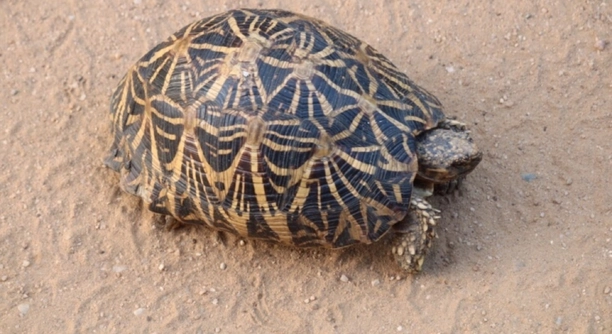
Turtles are curious creatures, and as a pet owner, you may notice your turtle trying to climb the heater. This behavior can be puzzling, but understanding why it happens can help address the issue.
The most likely reason your turtle climbs the heater is due to its search for warmth. Turtles are cold-blooded, so they instinctively seek heat to regulate their body temperature. A heater provides the warmth they need, making it an appealing spot.
Understanding why your turtle behaves this way can help you provide a safer and more comfortable environment. It’s important to ensure they have the right temperature range for their health and well-being.
Understanding a Turtle’s Need for Heat
Turtles are ectothermic animals, meaning they rely on external sources to regulate their body temperature. In the wild, they often bask in the sun to warm themselves. When kept as pets, they don’t have that natural sunlight, so they turn to heat sources like a heater to meet their needs. This behavior is instinctive and essential for their survival, as their metabolism and digestion are closely tied to the temperature around them. If your turtle keeps climbing the heater, it’s likely trying to stay warm and comfortable.
To avoid any issues, you should make sure the heater is not too hot. Too much heat can lead to burns or overheating. The ideal temperature range for most turtles is between 75°F and 85°F. You can achieve this by placing the heater in a spot where your turtle can move between areas of different temperatures. This gives them the option to bask in warmer spots and retreat to cooler areas if they feel too hot.
You may also want to add other forms of heat, such as a heat lamp or a basking rock. This setup allows your turtle to regulate its body temperature without constantly seeking out the heater. It’s important to monitor their behavior closely to make sure they don’t get too close to the heat source. A thermometer placed near the heater can help you maintain the proper temperature.
The Risks of Overheating
Excessive heat can be harmful to your turtle’s health. Overheating can cause stress, dehydration, and even burn injuries. It’s crucial to make sure the heat source is not directly within their reach. You might consider using a guard or a protective screen around the heater.
Turtles are highly sensitive to changes in temperature, and keeping them too close to a heater can make them uncomfortable or even cause health problems. If the area where your turtle spends most of its time gets too hot, it can lead to dehydration and lethargy. Additionally, turtles may try to climb heaters or other warm objects in an attempt to regulate their body temperature. This behavior can become dangerous if they can’t escape the heat, resulting in burns or heat stress. Be sure to place the heater in a location where your turtle has enough space to move freely. You can also monitor the temperature regularly with a reliable thermometer to make sure it stays within the optimal range.
The key is balance. By providing a warm but safe environment, you can help your turtle thrive without the risk of overheating.
How to Set Up the Right Temperature
It’s crucial to ensure your turtle’s habitat has the right temperature for its well-being. Using a proper heater and placing it in the right spot can make all the difference. Make sure you’re maintaining both a warm basking area and a cooler zone.
One way to do this is by creating a temperature gradient, where one side of the tank is warmer than the other. This allows your turtle to choose where it feels most comfortable. A good basking area should be between 85°F and 90°F, while the cooler side of the tank should be around 75°F. Using a thermometer for each zone ensures you are keeping track of the temperatures.
Another tip is to invest in a reliable aquarium heater designed for reptile tanks. Avoid using heaters that may not be suitable for aquatic environments, as they can get too hot. By placing the heater at the correct location and adjusting your setup, your turtle will have an ideal environment to regulate its body temperature.
The Importance of Basking
Turtles need a dry, warm place to bask for optimal health. Basking helps regulate their body temperature and allows them to absorb UVB light, which is necessary for the production of Vitamin D3. Without proper UVB lighting, your turtle may suffer from shell deformities or other health issues.
Providing a basking spot in your turtle’s habitat is as important as having a heater. The basking area should be located under a heat lamp, ensuring it’s warm enough for your turtle to absorb the light and regulate its body temperature. The basking spot should be dry and elevated above the water so your turtle can climb up easily. Keep the temperature at about 90°F in this area, and adjust as needed based on your turtle’s behavior.
Without a proper basking spot, turtles are more likely to climb heaters or other objects in search of warmth. It’s essential to provide both a heat source and a safe, dry place to rest. This will help prevent unwanted behavior, like climbing the heater, while giving your turtle everything it needs for its health and comfort.
How to Prevent Heater Climbing
If your turtle keeps climbing the heater, it’s important to find ways to discourage this behavior. First, make sure your setup is comfortable and has enough options for your turtle to regulate its temperature. A few adjustments can make a big difference.
One solution is to add more basking spots. By having a few areas where your turtle can warm up, it may stop trying to climb the heater for heat. You can also adjust the heater’s position, ensuring it’s not directly in your turtle’s path.
Monitoring Your Turtle’s Behavior
Watch your turtle’s actions closely to identify signs of stress. If it’s constantly seeking the heater, it could be a sign that the temperature isn’t right. A few adjustments, such as moving the heater or adding more basking spots, can help.
Turtles that constantly climb the heater are likely feeling too cold or uncomfortable in their habitat. By regularly checking their behavior and adjusting their environment, you can avoid problems. It’s also important to monitor their overall health and ensure they aren’t experiencing discomfort due to temperature issues.
FAQ
Why does my turtle climb the heater?
Your turtle climbs the heater because it’s instinctively trying to find warmth. Turtles are cold-blooded, so they rely on external heat sources to regulate their body temperature. In the wild, they would bask in the sun. Without the right heat sources in captivity, they turn to whatever is available, like a heater.
How do I stop my turtle from climbing the heater?
To stop your turtle from climbing the heater, provide a proper basking area with adequate warmth. A basking spot under a heat lamp should be around 90°F. Creating a temperature gradient inside the tank with both warm and cool areas will also encourage your turtle to move away from the heater.
Can a heater burn my turtle?
Yes, a heater can burn your turtle if it’s too close or if the heater is too hot. To prevent burns, ensure the heater is placed in a safe spot, and use a protective guard around it. Also, regularly check the water and basking areas to ensure the temperature is within a safe range (75°F to 85°F).
What temperature should the water be for my turtle?
The water temperature should be between 75°F and 85°F, depending on the species. Some turtles, like red-eared sliders, prefer slightly warmer water, while others may be fine in cooler temperatures. Using an aquarium thermometer can help you maintain the correct water temperature.
How often should I check my turtle’s temperature?
It’s important to check your turtle’s temperature daily, especially after any adjustments to the setup. A reliable thermometer in both the water and basking area ensures that the environment is comfortable for your turtle. Temperature fluctuations can lead to stress or health problems, so consistency is key.
Can I use a regular fish tank heater for my turtle?
It’s best to use a heater specifically designed for reptiles or turtles. Regular fish tank heaters may not be suitable for the temperatures required for reptiles. They may either overheat or not provide enough heat for your turtle. A proper reptile heater will provide the necessary warmth safely.
Should I have both a heater and a heat lamp for my turtle?
Yes, using both a heater and a heat lamp is ideal for creating a temperature gradient. The heater can warm the water, while the heat lamp provides the necessary warmth for basking. This setup mimics natural conditions and allows your turtle to regulate its body temperature more effectively.
Is it safe to place the heater inside the water?
It depends on the type of heater. Some heaters are specifically designed to be submerged in water, while others should be kept outside. Always read the manufacturer’s guidelines to ensure that the heater is suitable for aquatic environments. An immersion heater designed for turtle tanks will help regulate the water temperature safely.
How long should my turtle bask each day?
Turtles should bask for about 10 to 12 hours each day. This allows them to properly regulate their body temperature and get the UVB light they need for vitamin D3 production. If your turtle isn’t basking enough, it may be because the basking area isn’t warm enough or comfortable.
Why is my turtle not basking?
If your turtle isn’t basking, it could be due to the temperature being too low, the basking area being uncomfortable, or the presence of stressors in its environment. Make sure the basking spot is the right temperature (around 90°F), dry, and easily accessible. Monitor your turtle’s behavior to identify any potential issues.
Can turtles overheat?
Yes, turtles can overheat if the temperature gets too high, especially in the basking area. Overheating can cause stress, dehydration, and even heat stroke. To prevent this, make sure the basking area stays between 85°F and 90°F. Never leave your turtle in direct heat for extended periods.
What should I do if my turtle is constantly trying to climb the heater?
If your turtle is always trying to climb the heater, it likely needs a more suitable basking area or the water temperature is too cold. Ensure the tank has a warm basking spot, and adjust the water temperature to the appropriate range. Providing more hiding spots can also reduce stress and climbing behavior.
Can I use a ceramic heat emitter for my turtle?
A ceramic heat emitter can be a good option for providing warmth, as it doesn’t emit light. This is helpful if you want to provide warmth at night without disturbing your turtle’s natural sleep cycle. However, always ensure that the temperature is consistent and appropriate for your turtle’s needs.
How do I know if my turtle is too cold?
If your turtle is too cold, it may become lethargic or refuse to eat. You may also notice that it spends more time at the heater or in the warmer areas of the tank. If your turtle is not moving around as usual, check the temperature and adjust if needed.
What is the best way to heat my turtle’s tank?
The best way to heat your turtle’s tank is by using a combination of an aquarium heater for the water and a heat lamp for the basking area. Ensure that the water temperature is properly maintained, and that the basking area is around 90°F for optimal health.
Can I put my turtle in a tank with a heater for fish?
Fish heaters are often not powerful enough to keep the water at the right temperature for reptiles. Turtle-specific heaters are more reliable for maintaining a proper temperature range for your turtle. Always use a heater made for reptile tanks to avoid any risks or temperature imbalances.
Final Thoughts
Understanding why your turtle keeps trying to climb the heater is important for ensuring it stays healthy and comfortable. Turtles are cold-blooded creatures, so they need external heat to regulate their body temperature. If your turtle is climbing the heater, it’s likely trying to find warmth. It’s natural behavior for them to seek warmth, but it’s up to you to provide the proper setup that meets their needs. A proper basking spot and temperature gradient can help reduce this behavior. Making adjustments to your turtle’s environment can create a safer and more comfortable space for them.
It’s essential to ensure that the temperature in both the water and basking areas is ideal. Too much heat can be just as harmful as too little. If the water is too warm or the basking area is too hot, your turtle could suffer from overheating or burns. On the other hand, if the environment is too cold, your turtle may become lethargic and stressed. A good rule of thumb is to keep the water between 75°F and 85°F, and the basking area should be around 90°F. Using a thermometer in both areas will help you monitor the temperature and avoid any risks.
By providing the proper heat sources, including both a water heater and a basking light, you can help your turtle thrive in its habitat. Don’t forget to give your turtle a variety of options for warming up, as having a temperature gradient will allow it to regulate its body temperature naturally. Paying attention to your turtle’s behavior and adjusting its environment as needed will make sure that it stays healthy and active. It’s important to remain observant and proactive to ensure that your turtle is happy and safe in its tank.

Hello,
If you enjoy the content that we create, please consider saying a "Thank You!" by leaving a tip.
Every little bit helps us continue crafting quality advice that supports the health, happiness, and well-being of pets around the world, for pets of all shapes, sizes, and species.
We really appreciate the kindness and support that you show us!