
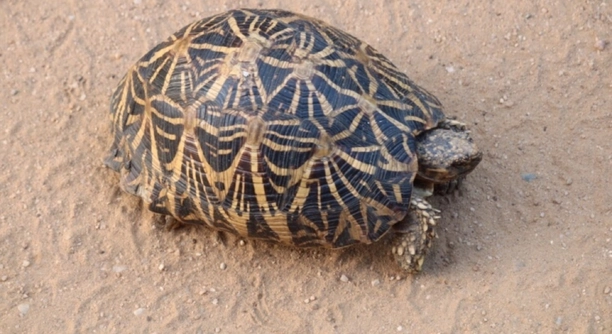
Turtles are fascinating creatures, but sometimes they struggle to swim properly. Whether it’s due to health or environmental issues, it’s important to help them. Knowing what to do can make a big difference in their well-being.
If a turtle is struggling to swim, it may indicate a health issue or problem with its environment. First, check if the water temperature is suitable, and look for signs of injury or infection. Consult a vet for serious concerns.
Understanding the causes behind swimming struggles can lead to better solutions. By providing proper care, your turtle can swim freely again. Keep reading for tips on how to help your turtle recover and thrive.
1. Check the Water Temperature
Turtles are cold-blooded animals, meaning their body temperature is regulated by the environment. If the water is too cold, it can make them sluggish and unable to swim properly. The ideal water temperature for most species is between 75°F and 80°F (24°C to 27°C). If the water is too warm, it can also lead to stress. Turtles are sensitive to sudden temperature changes, so it’s important to maintain a consistent and comfortable environment for them. If the water seems too cold or hot, adjusting the heater or cooling system can help.
A thermometer is a simple and effective tool for monitoring the temperature. Regularly check it to ensure the water stays within the correct range.
Proper temperature control will help keep your turtle active and comfortable. Consistent temperature adjustments are essential for their health and swimming ability.
2. Assess Water Quality
Water quality is crucial for a turtle’s overall health. Dirty or polluted water can cause respiratory and skin infections, making it harder for the turtle to swim. Check the water for any signs of contamination, such as algae build-up, murkiness, or unpleasant odors. Clean the tank regularly to prevent these issues.
Besides cleanliness, you should monitor the pH level, ammonia, and nitrate levels in the water. Poor water quality can cause your turtle to become stressed, weak, or even sick, all of which can affect its ability to swim. A good filtration system can help keep the water clean and clear, making it easier for your turtle to thrive.
Providing your turtle with a clean, balanced environment is essential to its health. Proper maintenance of the tank ensures a safe place for your turtle to swim and stay active.
3. Look for Injuries or Infections
If a turtle seems unable to swim, check its body for any visible injuries, cuts, or signs of infection. A swollen or inflamed area may indicate a problem that could affect its movement. Injuries to the shell, legs, or head may make swimming difficult or painful. If you notice anything unusual, it’s best to consult a vet.
Infections, such as respiratory or shell rot, can also cause swimming problems. A turtle with an infection might appear lethargic, refuse to eat, or swim in circles. Look for signs of discharge from the nose or mouth, as this could indicate an illness. Infections need to be treated quickly to prevent further complications.
If you suspect your turtle is injured or infected, keep it in a separate tank with clean, warm water. Limit its movement to avoid further stress. Getting the proper care will improve the chances of a full recovery.
4. Evaluate the Tank Size
An improperly sized tank can cause a turtle to feel stressed and limit its swimming ability. If the tank is too small, the turtle may not have enough space to move freely. Turtles need space to swim, stretch, and explore. A cramped environment can lead to inactivity or frustration.
Turtles need a tank large enough to allow them to swim around comfortably. A good rule of thumb is at least 10 gallons of water per inch of turtle shell length. Ensure the tank has a proper filtration system to keep the water clean and fresh. A large tank with enough swimming space will reduce stress and help the turtle stay active.
Keeping a well-sized tank ensures your turtle has the room it needs to move and stay healthy. A spacious environment promotes natural behavior and supports your turtle’s swimming ability.
5. Check for Dehydration
Turtles can become dehydrated, which affects their ability to swim. If a turtle isn’t drinking enough water or has dry skin, it may be dehydrated. Dehydration can cause lethargy and weakness, making swimming difficult. Keep an eye on their behavior and water intake.
If dehydration is suspected, you can soak your turtle in shallow, warm water for about 20 to 30 minutes each day. This will help rehydrate them and encourage them to drink. If your turtle continues to show signs of dehydration or refuses to drink, consult a vet for proper treatment.
6. Proper Diet for Strong Swimming
A well-balanced diet is crucial for a turtle’s overall health and energy levels. Feeding your turtle the right amount of food, including vegetables, fruits, and protein, will help maintain its strength and swimming ability. Overfeeding can lead to weight gain, which can hinder movement.
Offering the right foods boosts the turtle’s immune system and keeps it energized. Protein, such as live insects or fish, is especially important for growth and muscle development. A diet rich in vitamins and minerals, such as calcium, supports healthy shell growth and strengthens muscles for better swimming.
7. Offer Adequate Lighting and UVB Exposure
Proper lighting is essential for a turtle’s health. Without UVB lighting, turtles can suffer from a lack of vitamin D, which affects their ability to absorb calcium and can cause weakness in their bones and muscles. This can, in turn, impact their swimming ability.
Make sure your turtle has access to both UVB light and basking areas. This allows them to regulate their temperature and maintain healthy bone structure. A proper lighting setup, including a combination of UVA and UVB lights, supports natural behavior and keeps your turtle active and strong.
FAQ
What causes a turtle to struggle with swimming?
Turtles can struggle with swimming for several reasons, including water temperature, poor water quality, injury, infections, dehydration, or improper tank size. Each of these factors can lead to a lack of energy or physical difficulty, making swimming challenging. Environmental factors, like dirty water or unregulated temperatures, can also cause stress, which affects their movement.
How can I tell if my turtle is dehydrated?
Dehydration in turtles may show up as dry, flaky skin, a lack of appetite, or unusual lethargy. The skin may also appear wrinkled, and the turtle may not be as active. If your turtle is spending more time basking than swimming, dehydration could be the cause. It’s important to make sure the turtle is soaking in clean, warm water to help hydrate them.
How often should I clean my turtle’s tank?
You should clean your turtle’s tank at least once a week. This includes changing the water, scrubbing the tank walls, and cleaning the filter. In a heavily filtered tank, water changes can be reduced to every two weeks, but routine cleaning ensures that your turtle stays in a healthy environment. Always keep the water clean to prevent infections that could affect swimming.
Can I use any kind of filter for my turtle’s tank?
Not all filters are suitable for turtle tanks. It’s essential to choose a filter designed for aquatic reptiles, as turtles produce more waste than fish. A filter with good mechanical and biological filtration will help keep the water clean. Make sure the filter can handle the size of the tank to effectively clean the water.
Do turtles need UVB light even if they live in water?
Yes, UVB light is necessary for turtles, even if they spend most of their time in water. UVB helps turtles produce vitamin D3, which is essential for calcium absorption and overall health. Without proper UVB exposure, turtles can develop weak bones, causing difficulty in swimming and movement. Make sure the tank has a UVB light and a basking area where the turtle can absorb it.
What is the best tank size for my turtle?
The tank size depends on the species and size of your turtle. As a general rule, provide 10 gallons of water for every inch of shell length. For example, a 6-inch turtle would need at least a 60-gallon tank. A larger tank is always better, as it gives your turtle room to move freely and reduces stress.
Can a turtle’s diet affect its swimming?
Yes, a turtle’s diet plays a significant role in its overall health, including swimming ability. A balanced diet with adequate protein, vegetables, and calcium is vital for strength and muscle development. Overfeeding or feeding the wrong foods can lead to weight gain, which may make swimming harder. Proper nutrition supports muscle growth, bone health, and energy levels for better swimming performance.
How can I help a turtle with a shell injury?
If your turtle has a shell injury, it’s essential to treat it promptly. Clean the wound with fresh water and apply an antiseptic recommended by a veterinarian. For more severe injuries, a vet may need to use bandages or medications to prevent infection. Ensure that the turtle has a clean environment and avoid letting it swim until the injury heals to prevent further damage.
Why does my turtle seem weak and lethargic?
Lethargy in turtles can result from several factors, such as improper water temperature, dehydration, infection, or poor diet. If your turtle is not swimming or basking as usual, check its environment for any issues. A visit to the vet may be necessary if there are signs of illness or infection.
Can stress affect my turtle’s ability to swim?
Yes, stress can significantly impact a turtle’s swimming ability. Factors like overcrowded tanks, aggressive tankmates, or improper lighting can cause stress. A stressed turtle may become lethargic or struggle with swimming. To reduce stress, ensure the tank is large enough, the environment is quiet, and the turtle is not being bullied by other animals.
How do I know if my turtle has a respiratory infection?
Respiratory infections in turtles can cause labored breathing, wheezing, or mucus around the nose or mouth. If your turtle is having difficulty breathing or has a runny nose, it may be suffering from a respiratory infection. In severe cases, it can lead to swimming difficulties. It’s important to take the turtle to a vet as soon as possible for treatment.
Should I keep my turtle in warm or cold water?
Turtles need warm water to thrive. Most species of turtles prefer water temperatures between 75°F and 80°F (24°C to 27°C). If the water is too cold, it can slow down their metabolism, leading to lethargy and difficulty swimming. Make sure the water is consistently warm to encourage your turtle’s natural swimming behavior.
What are the signs of a healthy turtle?
A healthy turtle is active, alert, and moves around the tank with ease. Its shell should be smooth and free of cracks or sores, and its eyes should be bright and clear. A healthy turtle also enjoys basking and feeding regularly. If the turtle seems sluggish, has discolored skin, or avoids swimming, it may need medical attention.
Is it normal for my turtle to spend time out of the water?
Yes, it is normal for turtles to spend time on land, especially for basking. They need access to a basking area where they can dry off, regulate their body temperature, and get UVB exposure. However, they should also spend a good amount of time in the water, where they can swim and hunt for food.
Can a turtle swim if it’s overweight?
An overweight turtle can have difficulty swimming because extra weight puts a strain on its muscles and makes it harder to move. A proper diet and regular exercise will help prevent obesity. Avoid overfeeding your turtle and provide a balanced diet to maintain its ideal weight. Regular swimming and a spacious tank can also support a healthier lifestyle.
Final Thoughts
Taking care of a turtle involves paying attention to many factors that affect its health, especially when it comes to swimming. If your turtle is struggling to swim, it could be due to various reasons like water temperature, tank size, or an underlying health issue. Ensuring that your turtle’s environment is clean, well-maintained, and provides enough space to move around is crucial. Regularly checking the water temperature, keeping it within the ideal range, and monitoring water quality can prevent many issues that affect swimming. Small changes in the tank setup, such as improving the filtration system or adjusting lighting, can also make a big difference in your turtle’s ability to move freely.
Proper diet and hydration are just as important for your turtle’s swimming ability. A well-balanced diet with the right nutrients ensures that your turtle has the energy to swim and stay active. Feeding your turtle the right foods will support its muscle development, shell health, and overall vitality. If a turtle is dehydrated or malnourished, it may become weak and less able to swim. Make sure to offer fresh water for soaking and provide a variety of food, including vegetables, protein, and calcium-rich options, to maintain your turtle’s health and swimming strength.
Lastly, if your turtle continues to have trouble swimming despite addressing these factors, it’s important to seek professional help. A veterinarian can examine the turtle for any infections, injuries, or illnesses that may be affecting its movement. Early diagnosis and treatment are essential to ensure your turtle can recover and return to its active self. Turtles are resilient creatures, and with the right care, they can regain their strength and enjoy swimming once again.

Hello,
If you enjoy the content that we create, please consider saying a "Thank You!" by leaving a tip.
Every little bit helps us continue crafting quality advice that supports the health, happiness, and well-being of pets around the world, for pets of all shapes, sizes, and species.
We really appreciate the kindness and support that you show us!