
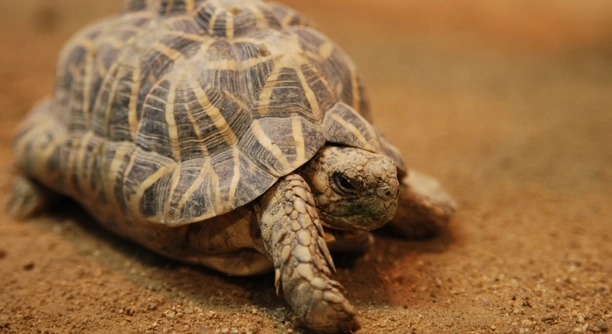
Turtles are fascinating creatures, and when something seems off with them, like their mouth staying open, it can be concerning. It’s important to understand what might be causing this behavior. Knowing how to address the issue is crucial for your turtle’s health.
A turtle’s mouth staying open is often caused by respiratory issues, stress, or an injury. In some cases, it could also be a sign of infection, which needs immediate attention from a vet to prevent further complications.
There are several possible reasons why this happens, from infections to environmental factors. Understanding the cause can help you provide the right care and keep your turtle happy and healthy.
Common Causes of a Turtle’s Mouth Being Stuck Open
If your turtle’s mouth is stuck open, one of the most common reasons is a respiratory infection. These infections can occur when your turtle is exposed to poor water quality, stress, or sudden temperature changes. Turtles rely on stable conditions to stay healthy, and any disruption can lead to health issues. A respiratory infection causes inflammation in the turtle’s airways, making it difficult for them to close their mouth properly. If left untreated, this condition can worsen and affect your turtle’s ability to eat and breathe. It’s important to act quickly if you notice these signs.
Turtles with open mouths could also be experiencing stress. Environmental changes, overcrowding, or improper tank conditions can trigger stress responses in your turtle. These situations make it difficult for your turtle to stay calm, leading to mouth-opening behaviors.
If your turtle has been under any stress lately, this might be the main cause. Reducing stress and making sure they’re in the right environment could help fix the issue.
How to Help Your Turtle Heal
If you notice your turtle keeping its mouth open, you should address it immediately. Start by checking their tank conditions. The water temperature should be between 75°F and 80°F (24°C to 27°C), and the water quality should be high, with proper filtration in place.
A clean environment is vital for your turtle’s well-being. If the water is dirty, bacteria can thrive, causing infections. A simple water change can improve their health and reduce the risk of infection. Make sure the basking area is also at the right temperature, as your turtle needs access to warmth to thrive.
In some cases, a vet visit might be necessary. If your turtle’s mouth remains open despite improving the environment, a vet can diagnose any infections or other conditions. They may prescribe antibiotics or treatments to help your turtle recover.
Respiratory Infections in Turtles
Respiratory infections are one of the most common causes of a turtle’s mouth staying open. They can occur due to poor tank conditions or sudden changes in temperature. These infections cause swelling in the airways, making it difficult for the turtle to close its mouth.
Signs of a respiratory infection include open-mouth breathing, nasal discharge, and lethargy. If your turtle exhibits these symptoms, it’s essential to address the issue quickly. A warm, clean environment with the right water quality can help reduce the risk. In some cases, your turtle may need antibiotics to recover.
A turtle with a respiratory infection might also have trouble eating and may appear more lethargic than usual. It’s important to make sure the water temperature remains consistent, and that your turtle has easy access to a warm basking area. Consult a vet if you’re unsure or if the symptoms persist.
Stress and Its Impact on Your Turtle
Stress can cause your turtle to leave its mouth open as it reacts to changes in its environment. Poor water conditions, overcrowding, or being disturbed too often can all stress your turtle out.
When a turtle is stressed, its body releases stress hormones, which can affect its health. Over time, this constant stress can lead to more severe issues, including infections. Ensure that your turtle has a stable environment with plenty of space to move around, clean water, and access to food and light. A change in their routine or environment can cause them to feel unsafe, making it harder for them to stay calm.
To reduce stress, try to keep the tank in a quiet area, away from loud noises and excessive handling. By creating a peaceful environment, your turtle can feel secure and improve its overall health. Stress relief is key in helping your turtle’s mouth return to its normal position.
Tank Conditions and Their Effect on Your Turtle
Improper tank conditions are another reason your turtle’s mouth might stay open. Poor water quality, incorrect temperature, and lack of proper filtration can all contribute to respiratory issues and stress in your turtle.
Water quality is especially important. If the water is dirty or too cold, it can cause infections or respiratory distress. Make sure you clean the tank regularly and maintain the right water temperature, which should be around 75°F to 80°F (24°C to 27°C) for most species.
Turtles also need access to a basking area with a heat source. If they don’t have the proper environment to regulate their body temperature, they can become sick or stressed. Regular tank maintenance is key to preventing these issues.
Injury or Trauma to the Mouth Area
An injury or trauma to your turtle’s mouth can cause it to stay open. If your turtle has been in a fight with another pet, or if it’s accidentally hurt itself, it might not be able to close its mouth properly.
If you notice swelling, bleeding, or visible signs of injury around your turtle’s mouth, it’s crucial to take action immediately. Injuries can lead to infections if not treated quickly, and they can also make it difficult for your turtle to eat. You should remove any aggressive tank mates and ensure your turtle has a safe space to heal.
Infections from Bacteria or Fungi
Bacterial or fungal infections can also cause a turtle’s mouth to stay open. These infections can develop when the tank conditions are poor, allowing bacteria or fungi to thrive.
A fungal or bacterial infection in the mouth may cause swelling, redness, or discharge. If left untreated, it can lead to more serious complications, such as systemic infections. Proper tank cleaning and regular vet checkups are essential in preventing these types of infections from taking hold. Make sure to monitor your turtle closely for signs of infection, especially if it has been stressed or in poor conditions.
FAQ
What should I do if my turtle’s mouth is stuck open?
If your turtle’s mouth is stuck open, first ensure that the tank conditions are optimal. Check the water temperature and quality. If everything seems fine, observe for signs of infection or stress. If symptoms persist, take your turtle to the vet to get proper treatment, as respiratory infections or injuries may need medical attention.
How can I prevent respiratory infections in my turtle?
To prevent respiratory infections, maintain good water quality in your turtle’s tank. Perform regular water changes, and make sure the water temperature stays between 75°F and 80°F (24°C to 27°C). Also, ensure the tank is properly filtered to remove waste, and provide a clean basking area for your turtle. Avoid sudden temperature changes and provide a low-stress environment.
Can stress cause my turtle’s mouth to stay open?
Yes, stress can cause your turtle’s mouth to stay open. Stress can result from poor water conditions, overcrowding, or frequent handling. To reduce stress, keep your turtle in a quiet area, away from loud noises, and avoid moving the tank frequently. Ensure the tank size is suitable for your turtle’s size, and avoid overcrowding.
How do I know if my turtle has a respiratory infection?
Signs of a respiratory infection in turtles include an open mouth, nasal discharge, labored breathing, or lethargy. If your turtle has trouble eating or seems more sluggish than usual, it could be a sign of an infection. If these symptoms persist, it’s important to consult a vet for diagnosis and treatment.
Can a dirty tank cause my turtle’s mouth to stay open?
Yes, a dirty tank can cause various health issues, including respiratory infections. Dirty water can harbor bacteria, leading to infections that make it difficult for your turtle to close its mouth. Make sure you clean the tank regularly, remove any waste, and replace the water to keep it fresh and clean.
Should I change the water if my turtle’s mouth is open?
Yes, changing the water is important, especially if it’s dirty. Poor water quality is a major factor in respiratory infections. By cleaning the tank and replacing the water, you can help reduce the risk of infections and make it easier for your turtle to breathe and close its mouth properly.
Can I treat my turtle’s open mouth at home?
You can take some steps at home to improve your turtle’s condition, such as adjusting the tank environment and ensuring proper water quality. However, if the mouth remains open for a prolonged period, or if other symptoms like discharge or lethargy are present, it’s best to consult a vet for proper treatment.
How often should I clean my turtle’s tank?
You should clean your turtle’s tank at least once a week, and perform partial water changes every few days, especially if the tank is small or the water gets dirty quickly. Regular cleaning helps maintain good water quality and reduces the chance of bacteria and other pathogens developing.
Is it normal for my turtle to breathe with its mouth open sometimes?
Occasionally, turtles may breathe with their mouths slightly open, especially when basking or when they are warm. However, if your turtle’s mouth stays open for an extended period, or if there are other signs like discharge or lethargy, it could indicate a health problem that requires attention.
How can I tell if my turtle is stressed?
Signs of stress in turtles include erratic swimming, a lack of appetite, open-mouth breathing, or hiding. Stress can also cause your turtle to stop basking or retreat to corners of the tank. If you notice these behaviors, check the tank’s water quality, temperature, and space. Make adjustments as needed.
What kind of temperature should I keep my turtle’s tank at?
The water temperature in your turtle’s tank should be between 75°F and 80°F (24°C to 27°C). You should also have a basking spot that reaches around 85°F to 90°F (29°C to 32°C) to help your turtle regulate its body temperature. Maintaining the right temperatures is essential for your turtle’s overall health.
Can overcrowding cause my turtle’s mouth to stay open?
Yes, overcrowding can stress your turtle and cause it to display behaviors like keeping its mouth open. When multiple turtles are in a small space, it leads to competition for resources, lack of space to move around, and stress. Ensure the tank is large enough to comfortably house your turtle without overcrowding.
Is it okay to handle my turtle if its mouth is open?
It’s best to avoid handling your turtle if its mouth is open. Handling can stress your turtle even further, potentially making the situation worse. Focus on improving its tank environment first, and consult a vet if necessary. Handling should be limited to avoid additional stress during recovery.
How long can a turtle go without eating if its mouth is open?
If your turtle’s mouth is stuck open, it may refuse to eat. Turtles can survive for some time without food, but prolonged periods of not eating can weaken them. It’s important to address the underlying cause, whether it’s an infection, injury, or stress, to help your turtle start eating again.
What should I do if my turtle’s mouth stays open and won’t eat?
If your turtle’s mouth stays open and it refuses to eat, try improving the tank conditions first by adjusting the water temperature, quality, and reducing stress factors. If the issue persists, it’s time to visit a vet to rule out infections, injuries, or other serious health issues.
Can an injury cause my turtle’s mouth to stay open?
Yes, an injury to your turtle’s mouth can cause it to stay open. If the injury is severe, it might lead to swelling or an infection that affects your turtle’s ability to close its mouth. If you suspect an injury, remove any aggressive tank mates and monitor the situation closely.
How can I help my turtle recover from a respiratory infection?
To help your turtle recover from a respiratory infection, keep the tank clean, maintain the right water temperature, and make sure it has access to a basking area. Consult a vet for antibiotics or treatment options. Follow your vet’s instructions for the best outcome in recovery.
Is there a way to stop my turtle from opening its mouth?
The best way to stop your turtle from opening its mouth is to address the root cause. Fix any tank conditions, reduce stress, and ensure your turtle is not suffering from any infections or injuries. A healthy environment, along with proper medical care, will help your turtle feel better.
Final Thoughts
If your turtle’s mouth is stuck open, it’s important to address the issue quickly. It could be a sign of something as simple as stress or a more serious health problem like a respiratory infection. Whatever the cause, acting fast is key to ensuring your turtle remains healthy. By paying attention to their tank conditions and providing them with a stable and comfortable environment, you can often prevent these issues from occurring in the first place. Regularly checking the water temperature, cleanliness, and ensuring the turtle is not overcrowded can make a huge difference in keeping your turtle healthy.
If you notice that your turtle’s mouth stays open for more than a few hours, or if it shows other signs of distress like lethargy, poor appetite, or nasal discharge, it’s best to consult a vet. Turtles are delicate creatures, and infections or injuries can escalate quickly. A vet will be able to provide a proper diagnosis and recommend treatments, whether it’s antibiotics for an infection or advice on how to improve the environment. Never hesitate to seek professional help if you’re unsure about your turtle’s condition.
Overall, taking good care of your turtle’s environment and monitoring for any signs of illness can help avoid many common health problems. Proper diet, clean water, and a safe space to move and bask are essential to their well-being. If you stay on top of their needs and are proactive when something seems wrong, your turtle should thrive. Remember, a little attention goes a long way in ensuring your turtle stays healthy and happy.

Hello,
If you enjoy the content that we create, please consider saying a "Thank You!" by leaving a tip.
Every little bit helps us continue crafting quality advice that supports the health, happiness, and well-being of pets around the world, for pets of all shapes, sizes, and species.
We really appreciate the kindness and support that you show us!