
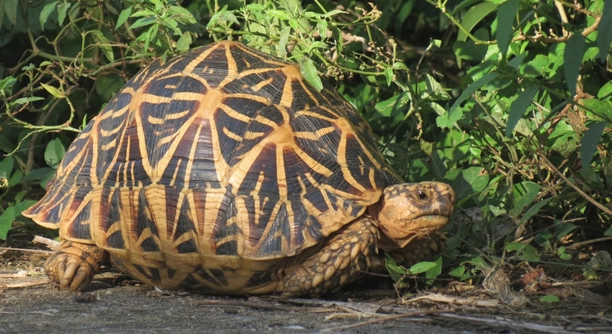
Are your turtles in need of suitable companions to share their tank? Choosing the right tank mates is essential for their well-being, ensuring a peaceful environment while avoiding conflicts or harm. Some species can coexist with turtles, while others may pose risks.
The best tank mates for turtles include fish like guppies and mollies, amphibians like African dwarf frogs, and invertebrates like mystery snails. These species can tolerate similar water conditions, have peaceful temperaments, and are less likely to be harmed by a turtle’s natural behavior.
Selecting compatible tank mates ensures a balanced ecosystem while keeping your turtles happy. Understanding their needs will help create a harmonious environment where all aquatic creatures thrive.
Guppies
Guppies are a great choice for a turtle tank because they are small, fast, and adaptable. They thrive in similar water conditions and can coexist without much trouble. Their quick swimming ability helps them avoid becoming a snack for your turtle. Guppies also reproduce quickly, which can help maintain a steady population in the tank. While turtles may occasionally catch a few, guppies’ high breeding rate offsets any losses. Adding plants and hiding spots will increase their survival chances. Keep in mind that guppies prefer slightly warmer temperatures, so ensure the water parameters are suitable for both species.
Guppies are peaceful fish that bring movement and color to your tank. They are easy to care for and can eat the same types of food as turtles, making them a low-maintenance choice.
If you want an active and visually appealing tank, guppies are a great option. Their adaptability and high reproduction rate help them coexist with turtles while maintaining a balanced environment. Keeping a few in the tank can add variety without creating extra maintenance.
Mystery Snails
Mystery snails are excellent tank mates for turtles because they are hardy, easy to care for, and help keep the tank clean. These snails consume leftover food and algae, reducing waste buildup.
Their tough shells provide protection against curious turtles, though some larger turtles may try to eat them. To increase their chances of survival, provide plenty of hiding spots. Mystery snails are peaceful and do not compete for food, making them a hassle-free addition. They also come in various colors, adding visual interest to the tank. Maintaining good water quality is important since snails are sensitive to poor conditions. A well-filtered tank with a stable pH will keep them healthy.
Mystery snails also lay eggs above the waterline, making it easy to control their population. If you do not want them to breed, simply remove the eggs before they hatch. With their cleaning abilities and minimal care requirements, mystery snails contribute to a healthier tank while peacefully coexisting with turtles.
Mollies
Mollies are a good addition to a turtle tank because they are hardy and adaptable. They thrive in freshwater and brackish conditions, making them resilient to changing water parameters. Their quick movements help them avoid being eaten, and they add color and activity to the environment.
These fish reproduce quickly, which helps maintain their population even if a few are eaten. Mollies prefer a well-filtered tank with stable temperatures, so ensuring optimal water conditions benefits both them and your turtle. They are omnivores and can share some of the same food sources as turtles, making feeding simple. Providing plants and hiding spots increases their survival chances.
Mollies are social fish that do well in small groups. Keeping at least three or four together reduces stress and encourages natural behavior. Their peaceful nature makes them compatible with turtles that are not overly aggressive, helping maintain a balanced and lively tank.
African Dwarf Frogs
African dwarf frogs can live with turtles if given enough hiding spots. They are fully aquatic, meaning they do not need land areas. However, they require floating plants or decorations to help them reach the surface easily for air. Their peaceful nature makes them a non-threatening tank mate.
These frogs thrive in stable water conditions with proper filtration and minimal water current. Turtles may try to nip at them, so ensuring enough hiding spaces is essential. African dwarf frogs prefer soft substrates, as rough gravel can injure their delicate skin. They eat small protein-rich foods, which should not compete with the turtle’s diet.
Observing their behavior is important to ensure they are not stressed or being harassed. If aggression occurs, consider separating them. A well-planned tank setup allows African dwarf frogs to coexist with turtles while adding variety and interest to the habitat.
Ghost Shrimp
Ghost shrimp help keep the tank clean by eating leftover food and algae. Their transparent bodies make them difficult for turtles to spot, increasing their chances of survival. They are low-maintenance and thrive in well-filtered tanks with stable water parameters. Providing hiding spots helps them avoid turtle interactions.
These shrimp are active scavengers and contribute to a balanced ecosystem. They reproduce quickly, which helps maintain their population even if some are eaten. Keeping them in groups improves their chances of survival. Adding plants and decorations gives them shelter and makes the tank environment more engaging for both turtles and shrimp.
Platies
Platies are peaceful, hardy fish that can adapt to various water conditions. Their small size and quick movements help them avoid becoming turtle food. They are livebearers, meaning they reproduce often, which helps maintain a population in the tank. Their bright colors add vibrancy to the setup.
Corydoras Catfish
Corydoras catfish are bottom-dwelling fish that help clean uneaten food from the substrate. Their tough, armored bodies offer some protection from turtles. Keeping them in groups of at least three reduces stress and encourages natural behavior. They are low-maintenance and do well in a properly filtered tank with soft substrate.
FAQ
Can turtles live with fish in the same tank?
Turtles can live with fish, but compatibility depends on the turtle’s species, size, and temperament. Some turtles are aggressive and will eat fish, while others may ignore them if they are fast and have enough hiding spaces. A well-planned tank with proper filtration helps maintain a balanced environment.
What fish should be avoided as turtle tank mates?
Avoid slow-moving fish, such as goldfish and bettas, as they are easy targets for turtles. Fish with long, flowing fins can be nipped and injured. Also, do not add aggressive fish like cichlids, which may attack turtles. Keeping only compatible species helps prevent stress and injuries.
How do I stop my turtle from eating its tank mates?
Providing a well-fed diet reduces the chances of turtles hunting tank mates. Offering live plants, caves, and decorations creates hiding spots for fish and shrimp. Choosing fast-swimming fish also improves survival rates. If a turtle shows excessive aggression, keeping it in a separate enclosure may be necessary.
Do turtles need a specific tank setup when living with other animals?
A tank with strong filtration is necessary because turtles produce a lot of waste. It should have a basking area, proper lighting, and enough swimming space. Plants, rocks, and driftwood create hiding places for tank mates. A secure lid helps prevent turtles from escaping and keeps tank mates safe.
Can shrimp survive in a turtle tank?
Shrimp like ghost shrimp can survive in a turtle tank if there are enough hiding spots. However, some turtles will hunt them. Keeping a large group increases their chances of survival, and adding dense plants or decorations helps them stay out of sight when needed.
Do turtles get along with snails?
Turtles often eat snails, especially smaller ones. However, larger snail species, like mystery snails, may have a better chance of surviving. Snails help clean algae and uneaten food but may still become occasional meals. Providing hiding spots can help keep them safe for longer.
What size tank is best for turtles and their tank mates?
A larger tank is always better when keeping multiple species together. A single turtle usually needs at least a 40-gallon tank, but bigger is recommended. Adding fish or other animals requires even more space to prevent overcrowding and stress. Proper filtration ensures clean water and a healthy habitat.
How do I prevent my turtle from making the water dirty?
Turtles produce a lot of waste, so a strong filter is essential. Performing regular water changes helps keep the tank clean. Avoid overfeeding, as leftover food can decay and affect water quality. Adding scavengers like shrimp or snails can also help maintain cleanliness.
Can I add multiple fish species to a turtle tank?
Mixing different fish species is possible, but they must be compatible with both the turtle and each other. Fast-swimming, hardy fish like mollies, platies, and corydoras catfish work well. Avoid aggressive or delicate fish to reduce the risk of injuries and stress.
What should I feed my turtle if it has tank mates?
A balanced diet prevents turtles from hunting their tank mates. Offer commercial turtle pellets, leafy greens, and occasional protein sources like insects or fish. Ensuring they are well-fed reduces the chances of them attacking fish or shrimp. Feeding fish separately can also help prevent competition for food.
Final Thoughts
Choosing the right tank mates for a turtle requires careful planning. Not all animals can coexist peacefully, and some will inevitably become prey. Selecting fast-swimming fish, hardy shrimp, or larger snails improves their chances of survival. A well-structured tank with plants, caves, and hiding spots helps protect smaller creatures from being eaten. Proper filtration is essential since turtles produce a lot of waste, and keeping the water clean benefits all tank inhabitants. The more space available, the better the chances of maintaining a peaceful and balanced environment.
Monitoring the behavior of the turtle and its tank mates is crucial. Some turtles may ignore fish and shrimp, while others will actively hunt them. If aggression becomes an issue, it may be necessary to separate the animals to prevent injuries. Feeding turtles a balanced diet reduces the likelihood of them viewing their tank mates as food. Providing consistent care, maintaining water quality, and observing interactions will help create a safe and stress-free habitat for all species.
Every turtle is different, so patience and observation are key to finding the best tank mates. Some combinations work well, while others may not be successful. Making gradual changes and being prepared to adjust the setup if needed ensures the health and well-being of all animals in the tank. With the right planning and care, turtles and their tank mates can coexist peacefully, creating a fascinating and dynamic aquatic environment.

Hello,
If you enjoy the content that we create, please consider saying a "Thank You!" by leaving a tip.
Every little bit helps us continue crafting quality advice that supports the health, happiness, and well-being of pets around the world, for pets of all shapes, sizes, and species.
We really appreciate the kindness and support that you show us!