
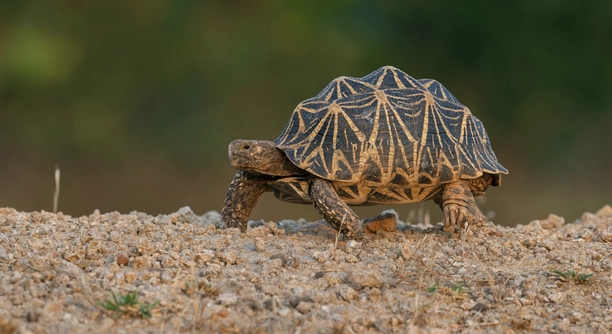
Turtles can be fascinating pets, but their care requires understanding various behaviors. One common concern is shedding, which can sometimes seem excessive. If your turtle is shedding more than usual, you may be wondering what’s going on.
Excessive shedding in turtles can be a sign of normal growth or environmental stress. However, it may also indicate potential health issues like skin infections or poor water quality. Identifying the cause can help you address the problem effectively.
There are several factors contributing to shedding, and knowing what to look for can help you manage your turtle’s well-being. This article will cover what could be happening and how to care for your turtle’s skin properly.
Natural Growth and Shedding
Turtles naturally shed their skin as they grow. This is a normal process where their old skin is replaced by new, fresh skin. Younger turtles may shed more frequently as they are growing at a faster pace. The frequency of shedding can vary depending on factors like age, species, and habitat conditions. Shedding can occur in patches, and sometimes it may seem like a lot of skin at once. If your turtle is shedding and otherwise acting healthy, it’s likely part of the normal growth cycle.
If the shedding seems excessive, it could be because your turtle is outgrowing its current shell size. As your turtle gets bigger, its skin will stretch to accommodate the growth. Make sure your turtle’s enclosure is large enough for it to move around freely. Lack of space can lead to stress, which may cause increased shedding.
Make sure your turtle’s skin looks healthy after shedding. If the new skin looks clear and smooth, that’s a good sign. But if you notice blisters or unusual discoloration, there could be an underlying health problem.
Poor Water Quality
The quality of your turtle’s water plays a big role in how it sheds. Dirty or improperly maintained water can irritate your turtle’s skin and lead to excessive shedding. Turtles spend most of their time in water, so it’s important to keep their habitat clean. Filtration systems and regular water changes are key to maintaining healthy water.
When water conditions are poor, bacteria or parasites can thrive, affecting your turtle’s skin. This can cause irritation and increased shedding. Make sure the water temperature is within the right range and that it’s clean. Changing the water at least once a week will help prevent skin issues.
If your turtle is shedding excessively and the water quality is poor, it could be a sign that it’s not getting the right care. By maintaining a clean environment, you can support your turtle’s health and reduce skin problems.
Inadequate Lighting
Turtles need proper lighting for healthy skin and shell growth. Insufficient UVB light can lead to shedding issues. UVB helps turtles produce vitamin D3, which is vital for calcium absorption. Without adequate light, your turtle may shed excessively as its body struggles to maintain health.
Ensure your turtle’s habitat has proper UVB lighting that is replaced regularly. This should be on for 10-12 hours a day to mimic natural sunlight. If your turtle isn’t getting enough exposure, it can lead to metabolic bone disease and other health issues, which might cause increased shedding.
If the light is too weak or outdated, it won’t provide the benefits your turtle needs. Consider using a high-quality UVB bulb designed specifically for reptiles. These lights should be replaced every 6 to 12 months to ensure they continue to work properly. Without the right lighting, your turtle’s skin health may deteriorate, leading to more frequent shedding.
Poor Diet
A poor diet can contribute to excessive shedding in turtles. Just like humans, turtles need a balanced diet for healthy skin and overall health. If your turtle isn’t getting enough nutrients, its skin might become dry or unhealthy, resulting in abnormal shedding.
Turtles require a diet rich in calcium, vitamins, and protein. Offering a variety of foods like leafy greens, pellets, and occasional protein sources like insects will help ensure your turtle gets the nutrition it needs. Inadequate calcium intake, in particular, can result in weak bones and excessive shedding.
You should also avoid feeding your turtle too much processed or low-quality food. A balanced, natural diet will not only help reduce shedding but also promote healthy growth and a strong immune system. Ensuring your turtle’s diet is well-rounded is key to keeping it healthy and preventing unnecessary skin issues.
Stress
Stress can lead to excessive shedding in turtles. If your turtle feels threatened or uncomfortable, its body may react by shedding more frequently. Common stress factors include overcrowded enclosures, loud noises, or sudden changes in temperature. Reducing stress is important for your turtle’s well-being.
Make sure your turtle has a comfortable, quiet environment. A peaceful space with adequate hiding spots can help reduce stress. Avoid moving your turtle’s habitat frequently and be mindful of handling. Stress management is key to ensuring your turtle stays healthy and sheds in a normal, controlled way.
Skin Infections
Turtles can develop skin infections from bacteria or fungi. If the skin is inflamed, red, or has a slimy texture, it might be an infection. Infections can cause the turtle to shed more than usual as its body tries to heal.
Skin infections can be treated by cleaning your turtle’s habitat regularly and keeping the water quality high. In severe cases, antibiotics or antifungal treatments may be necessary. Always consult a vet if you suspect your turtle has an infection. Proper care will help your turtle recover and reduce abnormal shedding.
Underlying Health Problems
Excessive shedding can also indicate an underlying health problem, such as a parasite infestation or metabolic disease. If the shedding is accompanied by lethargy, poor appetite, or abnormal behavior, it’s important to seek veterinary care.
FAQ
Why is my turtle shedding so much?
Excessive shedding in turtles can be caused by several factors. It may be part of their natural growth process, especially in younger turtles. However, if the shedding seems excessive or is accompanied by other symptoms like irritation or redness, it could point to environmental stress, poor water quality, or even health problems like skin infections. Ensuring proper lighting, diet, and water conditions can help reduce shedding and improve overall health.
How often do turtles shed their skin?
Turtles shed their skin regularly, but the frequency varies depending on their age, species, and environmental conditions. Young turtles tend to shed more frequently as they grow, while older turtles shed less often. In general, it’s normal for turtles to shed in small patches, but large or frequent shedding could indicate a problem.
Can stress cause a turtle to shed too much?
Yes, stress can cause turtles to shed more frequently. Factors like overcrowding, sudden changes in their environment, loud noises, or improper handling can stress your turtle. A stressed turtle may shed excessively as its body reacts. To minimize stress, make sure your turtle has a quiet, safe, and spacious environment with proper temperature and humidity.
Is shedding a sign of a skin infection?
Shedding can sometimes be a sign of a skin infection, especially if the skin is discolored, inflamed, or slimy. Skin infections can occur due to poor water quality or bacteria and fungi in the tank. If your turtle has abnormal skin shedding, such as red, irritated patches or oozing wounds, it’s important to consult a veterinarian to address the issue.
How do I prevent excessive shedding in my turtle?
To prevent excessive shedding, focus on maintaining a healthy environment for your turtle. Ensure the water is clean and filtered, the temperature is appropriate, and the lighting includes proper UVB exposure. Feed your turtle a balanced diet with plenty of calcium, vitamins, and protein. Regularly check your turtle’s health, keeping an eye on any behavioral changes that could indicate stress or illness.
Can poor diet contribute to shedding?
Yes, a poor diet can contribute to shedding problems in turtles. A lack of essential nutrients, especially calcium and vitamins, can cause skin issues and lead to excessive shedding. Turtles need a balanced diet that includes a variety of foods, such as leafy greens, high-quality pellets, and protein sources like insects. A poor diet can also result in other health problems, so making sure your turtle’s nutritional needs are met is crucial for preventing shedding issues.
What should I do if my turtle’s shedding seems abnormal?
If your turtle’s shedding seems abnormal, such as if it’s excessive or comes with other symptoms like skin redness, sores, or changes in behavior, you should first check its habitat. Ensure the water is clean, the lighting is sufficient, and the temperature is ideal. If the problem persists, visit a veterinarian to rule out infections or health problems.
Can improper lighting cause shedding problems?
Improper lighting, especially a lack of UVB light, can cause shedding issues. UVB lighting is crucial for a turtle’s overall health, as it helps with calcium absorption and skin growth. Without adequate UVB exposure, your turtle may develop issues like metabolic bone disease, which can affect skin and shell health, leading to excessive shedding. Ensure your turtle’s habitat has the correct lighting and replace bulbs regularly.
How can I tell if my turtle has a skin infection?
Skin infections in turtles may show signs such as red or inflamed skin, sores, blisters, or slimy patches. If you notice these symptoms along with excessive shedding, your turtle could have an infection. Poor water quality, lack of proper hygiene, or injury can lead to infections. If you suspect an infection, it’s important to take your turtle to a vet for diagnosis and treatment.
What temperature should my turtle’s water be to prevent shedding issues?
The water temperature in your turtle’s tank should be kept at an ideal range of 75-80°F (24-27°C) for most species. Water that is too cold or too hot can cause stress and contribute to excessive shedding. A stable, appropriate temperature helps maintain your turtle’s skin and overall health. Make sure to check the water temperature regularly with a reliable thermometer.
Can I use a heat lamp to help with shedding problems?
A heat lamp can help with shedding problems by maintaining the proper temperature in your turtle’s habitat. However, it’s important to also provide UVB light. Heat lamps are primarily used for temperature regulation, while UVB light is necessary for calcium absorption and healthy skin. Both types of lighting are crucial for your turtle’s well-being and can help reduce excessive shedding.
Final Thoughts
Excessive shedding in turtles can be concerning, but it’s not always a sign of something serious. Sometimes, shedding is a normal part of growth, especially in younger turtles. As they grow, they shed their old skin to make room for new, healthy skin. This process can happen in patches and might seem like a lot of skin coming off at once. If your turtle is otherwise healthy and active, normal shedding is likely not something to worry about. However, it’s important to keep an eye on your turtle’s behavior and overall health to make sure there aren’t any underlying issues.
If you notice that your turtle is shedding more than usual or if the shedding is accompanied by other signs, such as redness, irritation, or unusual behavior, it could indicate a problem. Factors like poor water quality, stress, inadequate lighting, or a poor diet can contribute to excessive shedding. Stress from overcrowding, sudden environmental changes, or improper handling can also cause your turtle to shed more often. Keeping your turtle’s habitat clean, ensuring the water is at the right temperature, and providing a balanced diet are essential steps in preventing excessive shedding.
When in doubt, it’s always a good idea to consult a veterinarian. A vet can help identify any potential health issues that may be causing excessive shedding, such as skin infections or underlying diseases. They can also provide advice on how to better care for your turtle, including tips on habitat setup, lighting, and diet. With the right care, most turtles can live healthy lives, shedding their skin as needed without problems. By paying attention to your turtle’s needs and maintaining a clean, stress-free environment, you can reduce the chances of excessive shedding and ensure your turtle remains healthy and happy.

Hello,
If you enjoy the content that we create, please consider saying a "Thank You!" by leaving a tip.
Every little bit helps us continue crafting quality advice that supports the health, happiness, and well-being of pets around the world, for pets of all shapes, sizes, and species.
We really appreciate the kindness and support that you show us!