
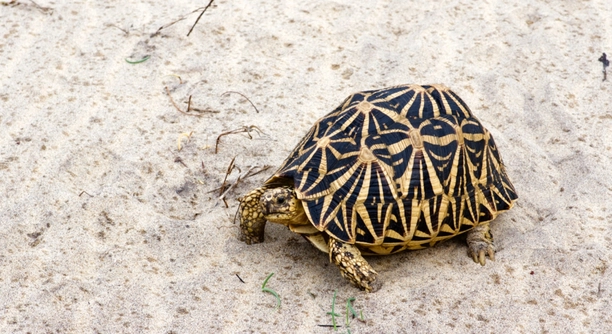
Turtles are fascinating pets, but sometimes they can display behaviors that are concerning to their owners. One common issue is when a turtle doesn’t seem to use its front legs properly. This could raise questions about its health.
The most common reason for a turtle not using its front legs is an injury or illness, such as a shell injury, nerve damage, or a vitamin deficiency. It could also be due to a poor habitat or improper care.
This article will guide you through the possible causes and solutions for this issue, helping ensure your turtle’s well-being and comfort.
Possible Injuries
Turtles can injure their front legs in many ways. It might be from a fall, rough handling, or an accident with sharp objects in their habitat. If a turtle’s front legs are injured, it will often avoid using them, possibly due to pain or swelling. Injuries can cause a change in movement and make it harder for the turtle to perform regular activities like swimming or walking. If the injury isn’t severe, a turtle may still try to use its legs but show signs of discomfort.
In some cases, soft tissue injuries may not be immediately visible. It’s important to observe your turtle closely for any signs of trauma. Swelling, redness, or abnormal behavior are all signs that the injury may need treatment.
If you suspect an injury, providing a stress-free environment is key. Avoid handling your turtle too much, and make sure its enclosure is free from hazards. If symptoms persist, a vet visit will help to determine the exact issue and appropriate treatment.
Shell Issues and Nerve Damage
Sometimes, a turtle’s shell can cause problems for its front legs. If the shell is cracked or damaged, it may press against nerves that control the legs, leading to weakness or lack of movement. This type of issue is usually more complex and requires a professional diagnosis.
A common problem is nerve compression due to a poor diet or injuries to the shell. If the shell is weakened by disease or an improper diet, it may not protect the turtle’s body as it should. Damage to nerves from an injury or poor nutrition can result in difficulty using the legs.
If nerve damage is suspected, providing proper nutrition with enough calcium, vitamins, and minerals is essential for recovery. Supplements or a more balanced diet could help improve overall health. Getting a veterinarian’s help is important to ensure the turtle is properly treated and has the best chance of recovery.
Vitamin Deficiency
A lack of vitamins, particularly Vitamin A, can affect your turtle’s ability to move properly. This deficiency can cause weakness in the front legs, making it difficult for the turtle to use them. Vitamin A is essential for healthy muscle and nerve function, so a deficiency can lead to these symptoms.
Turtles often need a balanced diet that includes a variety of vegetables, fruits, and sometimes supplements. Without proper nutrition, their legs and other body functions can become affected. It’s important to offer foods high in Vitamin A like dark leafy greens and colorful vegetables.
If your turtle shows signs of vitamin deficiency, adjusting its diet can make a significant difference. Providing proper supplements, like Vitamin A drops, can also help. Consult a vet to determine the right dosage and ensure you’re meeting all of your turtle’s nutritional needs.
Improper Habitat Conditions
Improper habitat conditions may be contributing to the issue. Turtles need an environment with the right temperature, humidity, and access to clean water to thrive. If the water temperature is too cold or the basking area is not warm enough, it can affect the turtle’s overall mobility, including its legs.
When a turtle is kept in an unsuitable habitat, it may become sluggish and less active. It can also lead to muscle weakness and make it difficult for them to use their front legs. You should ensure the basking spot is warm enough, and the water is the right temperature for their species.
Proper habitat conditions are essential for the overall well-being of your turtle. Regularly monitor the water temperature and lighting in the enclosure to keep them within the correct range. Also, make sure that the turtle has access to dry areas to rest and soak up warmth.
Infection or Disease
Infections can lead to mobility problems in turtles, including issues with their front legs. Bacterial or fungal infections can cause swelling, pain, or weakness, which prevents them from using their legs properly. Any infection needs to be treated promptly to avoid further complications.
Signs of infection might include unusual discharge, swelling around the legs or shell, or a lack of appetite. If you notice these signs, it’s essential to take your turtle to the vet for a proper diagnosis and treatment plan. Infections can be treated with antibiotics or antifungal medications, depending on the type.
Stress and Overhandling
Turtles are sensitive creatures, and too much handling or stress can affect their physical well-being. Overhandling or being in an overly noisy environment can lead to stress, which may cause them to avoid using their legs. This behavior could be due to both mental and physical discomfort.
Over time, stress can negatively impact a turtle’s health. By limiting handling and ensuring your turtle has a quiet, peaceful environment, you can help reduce stress. A calm habitat encourages better movement and overall well-being. Make sure your turtle has a consistent routine and space to feel safe.
FAQ
Why is my turtle not using its front legs?
Turtles may stop using their front legs for various reasons, including injury, illness, poor diet, or incorrect habitat conditions. If a turtle has a leg injury, it may avoid using it due to pain or swelling. Illnesses such as infections, shell issues, or nerve damage can also limit movement. Nutritional deficiencies, especially a lack of Vitamin A, can lead to muscle weakness or reduced mobility. Environmental factors, such as the wrong water temperature or humidity, can also impact leg movement. If your turtle shows signs of not using its legs, it’s best to evaluate all these factors and consult a vet.
How can I tell if my turtle’s front legs are injured?
Signs of an injury include swelling, visible bruising, or the turtle avoiding movement. If the front legs are injured, the turtle may be reluctant to move, and you might notice it dragging its legs or holding them still. Check for any cuts, cracks, or other signs of injury on the shell or limbs. Keep an eye on your turtle’s behavior and see if it starts to move in an unusual way, like using only its back legs. If these symptoms appear, it’s important to have a vet examine the turtle.
What are the signs of a vitamin deficiency in turtles?
Common signs of a Vitamin A deficiency in turtles include swelling of the eyes, loss of appetite, and difficulty moving. A lack of Vitamin A can also cause dry, flaky skin or shell deformities. If your turtle is not using its front legs, it may be due to muscle weakness caused by a lack of vitamins. Ensuring your turtle’s diet includes foods rich in Vitamin A, such as dark leafy greens, carrots, and squash, is essential for its health. If you notice these symptoms, it’s best to improve its diet or consult a vet about supplements.
Can stress cause my turtle to stop using its front legs?
Yes, stress can cause a turtle to stop using its front legs. If your turtle is stressed, it might not feel comfortable enough to move around or use its limbs. Common stressors include frequent handling, loud noises, overcrowding in the tank, or changes in its environment. Turtles are sensitive to their surroundings, and any change can cause them to become anxious. Reducing handling, maintaining a quiet environment, and ensuring the tank conditions are optimal will help lower stress levels and encourage your turtle to move freely.
What can I do if my turtle’s legs are weak from poor habitat conditions?
If your turtle’s front legs are weak due to poor habitat conditions, such as improper water temperature or inadequate basking areas, it’s crucial to fix the environment immediately. Ensure that the water temperature is appropriate for your turtle’s species, and provide a warm basking area where your turtle can rest and dry off. Also, check the water quality to make sure it’s clean and free from toxins. A comfortable, well-maintained habitat will help restore your turtle’s strength and encourage movement.
How long does it take for a turtle to recover from an injury to its front legs?
The recovery time for a turtle with an injury to its front legs depends on the severity of the injury. Minor injuries may take a few days to a week to heal, while more severe damage could take weeks or even months. It’s essential to keep the turtle in a safe, clean environment during recovery to prevent further injury. You may also need to limit handling and make sure the turtle isn’t stressed. Consulting a vet can provide a more accurate timeline and treatment plan.
What kind of foods should I feed my turtle to improve its leg strength?
A balanced diet is essential for improving leg strength and overall health in turtles. Leafy greens, such as collard greens, kale, and dandelion greens, provide important vitamins like Vitamin A. High-quality pellets formulated for turtles can offer the necessary minerals and vitamins. It’s also beneficial to include calcium-rich foods like cuttlebone, calcium powder, or occasional protein sources such as insects or small fish. A healthy diet helps build strong muscles and bones, supporting better leg function.
When should I take my turtle to the vet?
You should take your turtle to the vet if it shows signs of injury, illness, or if its front legs are not being used for an extended period. A vet visit is also necessary if your turtle’s behavior changes dramatically, such as not eating, becoming lethargic, or showing signs of swelling or infection. A vet can help identify the underlying cause of the issue and provide a treatment plan. Regular check-ups are also important for maintaining your turtle’s overall health.
Can a turtle recover from nerve damage in its front legs?
Nerve damage can sometimes be reversible, depending on the severity and cause of the injury. If the nerve damage is due to a vitamin deficiency, improving the diet and providing proper nutrition can help the nerve function return to normal. However, if the damage is due to trauma or an infection, recovery may take longer or may not be fully possible. A vet can assess the extent of the damage and suggest treatments to support recovery, such as physical therapy or medications.
What should I do if my turtle’s front legs are not moving after an infection?
After an infection, a turtle may experience temporary paralysis or weakness in its front legs. Once the infection is treated with antibiotics or antifungal medications, your turtle may gradually regain the use of its legs. However, it’s important to ensure that the infection is fully treated and that the turtle’s environment is optimal for healing. If the legs are still not moving after treatment, it could be due to nerve damage or muscle weakness, and a follow-up vet visit may be needed.
Final Thoughts
If your turtle is not using its front legs, it’s important to address the issue quickly. There are many reasons why this could happen, such as injuries, vitamin deficiencies, infections, or poor habitat conditions. Identifying the cause is the first step in helping your turtle recover. It’s essential to pay attention to any other changes in behavior, like loss of appetite, unusual movement, or swelling, as these can be key signs of a deeper problem. Early intervention can make a big difference in your turtle’s health and recovery.
One of the most important things you can do is ensure that your turtle’s living environment is appropriate. This includes providing the correct water temperature, humidity, and a basking area with enough warmth. Stress from poor living conditions can cause physical problems and even affect their movement. A balanced diet is also crucial for overall health. Be sure to offer foods rich in Vitamin A and calcium, as these can help strengthen muscles and support nerve function. Avoid overfeeding and make sure that the diet is varied to cover all of your turtle’s nutritional needs.
Finally, always keep an eye on your turtle’s behavior and be proactive when something seems off. If you notice that your turtle is not using its front legs, consider seeking veterinary care. A vet can help determine if the issue is medical, nutritional, or environmental. While some issues may resolve with minor changes in diet or habitat, others might require more extensive treatment. In any case, a prompt response can prevent the problem from getting worse and improve your turtle’s quality of life.

Hello,
If you enjoy the content that we create, please consider saying a "Thank You!" by leaving a tip.
Every little bit helps us continue crafting quality advice that supports the health, happiness, and well-being of pets around the world, for pets of all shapes, sizes, and species.
We really appreciate the kindness and support that you show us!