
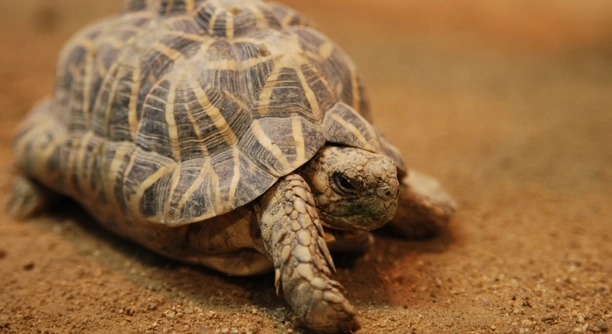
Are your turtle’s shells looking a little off, with strange spots, cracks, or peeling? Shell problems are common in pet turtles, and addressing them early is key to keeping your turtle healthy and happy in its environment.
The most common turtle shell problems include shell rot, pyramiding, soft shell, and injuries. These issues often result from improper diet, poor water quality, or lack of UVB exposure. Identifying the cause and taking proper action can prevent long-term health complications.
From infections to improper care, understanding these issues will help you keep your turtle in the best condition possible. Let’s explore the common shell problems and how to fix them effectively.
Shell Rot
Shell rot is a bacterial or fungal infection that affects a turtle’s shell, causing soft spots, discoloration, or foul-smelling areas. It often develops due to poor water quality, injuries, or prolonged exposure to damp conditions. If left untreated, it can lead to severe infections that affect internal organs. To prevent shell rot, ensure your turtle’s habitat stays clean and well-maintained. Regular water changes, proper filtration, and a dry basking area help keep bacteria from spreading. If you notice signs of infection, clean the affected area with a diluted antiseptic and apply an antimicrobial ointment recommended by a reptile veterinarian.
A mild case of shell rot can be treated at home with careful cleaning and topical treatments. However, severe infections may require veterinary attention. Keeping the enclosure clean and maintaining proper humidity levels reduces the risk of recurrence.
A healthy shell is a sign of a well-cared-for turtle. By taking preventive measures and acting quickly at the first signs of shell rot, you can help your turtle recover and stay comfortable. Monitoring shell health regularly ensures that small issues don’t turn into major problems.
Pyramiding
Pyramiding occurs when a turtle’s scutes grow unevenly, creating a raised, bumpy appearance. It is primarily caused by excessive protein intake and inadequate UVB exposure.
To prevent pyramiding, provide a well-balanced diet with the right mix of protein, calcium, and leafy greens. Overfeeding protein-rich foods, such as insects and high-protein pellets, can contribute to uneven shell growth. UVB lighting is essential for calcium absorption, preventing metabolic issues that worsen pyramiding. Make sure your turtle has access to natural sunlight or a high-quality UVB lamp. Consistent hydration and proper humidity levels also support healthy shell growth.
Once pyramiding develops, it cannot be reversed, but its progression can be slowed with proper care. Focus on maintaining a balanced diet, improving lighting, and ensuring a suitable habitat. With the right adjustments, you can help your turtle live a healthy life despite minor shell deformities.
Soft Shell
A soft shell is often a sign of metabolic bone disease, which results from calcium deficiency and lack of UVB exposure. A turtle with a soft shell may feel fragile, appear slightly misshapen, or develop difficulty moving properly. Without treatment, this condition can lead to serious health problems.
A proper diet and lighting setup help prevent and reverse early-stage soft shell issues. Calcium-rich foods like cuttlebone, dark leafy greens, and calcium supplements with vitamin D3 support strong shell growth. UVB lighting is essential for calcium absorption, so ensure your turtle has access to a high-quality UVB lamp or natural sunlight for at least 10–12 hours a day. If symptoms persist, consult a reptile veterinarian to check for underlying health concerns and consider injectable calcium treatments if necessary.
Turtles with soft shells require extra care to avoid injuries and infections. Keep their habitat clean, provide a dry basking area, and monitor their behavior for signs of discomfort. A weakened shell makes them more vulnerable to bacteria and fungi, so avoid rough tank decorations and handle them gently. With the right diet and environment, their shell can strengthen over time, improving their overall well-being.
Shell Peeling
Turtles naturally shed their scutes as they grow, but excessive or abnormal peeling can signal an issue. If pieces of the shell lift too frequently or appear soft, discolored, or foul-smelling, it could indicate poor water quality, infections, or an improper diet.
Maintaining clean water is the first step in preventing shell peeling. Dirty water allows bacteria and fungi to grow, leading to infections. Regular water changes, proper filtration, and a basking area with dry heat help keep the shell healthy. A balanced diet with enough vitamins and minerals supports proper scute shedding. Avoid feeding too many high-protein foods, as they can contribute to abnormal peeling.
If peeling is accompanied by redness, foul odor, or soft spots, medical treatment may be necessary. Topical antimicrobial treatments and improved habitat conditions can help mild cases, but severe infections require veterinary care. Identifying the cause early prevents further damage and ensures the shell remains strong and functional.
Shell Cracks
Cracked shells can occur from falls, rough handling, or fights with other turtles. Even minor cracks expose the turtle to infections, so it’s important to address them quickly. Keeping the turtle in a clean, dry environment while the shell heals helps prevent bacteria from entering the wound.
Deep cracks require veterinary attention, as they may need bonding materials or antibiotics. Minor cracks can be cleaned with antiseptic and covered with a protective sealant under professional guidance. Reducing risks in the habitat, such as sharp decorations or overcrowding, helps prevent future shell injuries.
Algae Growth
Algae buildup on a turtle’s shell is usually harmless but can sometimes hide infections or shell damage. If algae cover the shell too thickly, it may prevent proper drying, leading to fungal or bacterial issues. Keeping the tank clean and providing a warm basking area helps control algae growth.
White Spots
White spots on a turtle’s shell can result from hard water deposits, fungal infections, or healing injuries. If the spots feel rough or chalky, they may just be mineral buildup from the water and can be gently scrubbed off with a soft brush.
FAQ
How can I tell if my turtle’s shell is healthy?
A healthy shell should be smooth, hard, and without cracks, bumps, or soft spots. It should have a consistent color and no signs of infection, like redness or a foul odor. Regularly check for scute shedding, but it should be gradual and not cause damage to the shell.
What can cause my turtle’s shell to soften?
A soft shell is often due to calcium deficiency, poor UVB exposure, or metabolic bone disease. Without enough calcium or UVB light, a turtle’s shell can lose its strength, leading to weakness or even deformities. Providing calcium supplements and a proper UVB light source will help improve shell health.
What is the best way to prevent shell rot?
Shell rot is usually caused by poor water quality or injury. To prevent it, maintain a clean tank with regular water changes and proper filtration. Make sure your turtle has a dry basking area to keep its shell dry, as prolonged dampness can lead to bacterial or fungal infections.
Can I treat shell rot at home?
Mild shell rot can sometimes be treated at home by cleaning the affected area with an antiseptic and applying an antimicrobial ointment. However, if the rot is severe or spreading, it’s best to consult a reptile veterinarian. They may prescribe oral antibiotics or topical treatments.
How do I prevent my turtle from getting pyramiding?
Pyramiding is often caused by overfeeding protein and not providing enough UVB exposure. To prevent it, ensure your turtle’s diet is balanced, with more vegetables and limited protein. UVB lighting is essential for proper calcium absorption, so make sure your turtle gets 10–12 hours of exposure daily.
What should I do if my turtle has cracks in its shell?
If your turtle has cracks, it’s important to clean the wound carefully to prevent infection. Minor cracks can often heal on their own if the turtle is kept in a clean, dry environment. Severe cracks may require a vet’s intervention to apply bonding agents or prescribe antibiotics.
How do I clean algae off my turtle’s shell?
Algae buildup on the shell is usually harmless, but it should be removed to prevent it from blocking the turtle’s ability to bask properly. Use a soft brush to gently scrub the shell under warm water. Avoid harsh chemicals that could harm the turtle.
What causes white spots on my turtle’s shell?
White spots can be caused by hard water deposits or fungal infections. If the spots feel rough or chalky, they are likely mineral buildup from the water and can be scrubbed off. If the spots seem soft, discolored, or foul-smelling, it could indicate an infection that needs veterinary attention.
Can a turtle’s shell heal if it gets damaged?
Minor shell damage, like small cracks or chips, can heal over time, especially with proper care. However, deeper cracks or injuries may require veterinary intervention. The healing process depends on the severity of the damage and whether infections are present.
How can I help my turtle grow a healthy shell?
A healthy shell grows when your turtle receives a balanced diet with plenty of calcium, proper UVB exposure, and clean water. Make sure your turtle gets enough sunlight or a high-quality UVB lamp to help absorb calcium, which is essential for shell growth.
Why is my turtle’s shell peeling?
Shedding scutes is a normal part of a turtle’s growth, but excessive or abnormal peeling could indicate poor water quality, fungal infection, or improper diet. Ensure your turtle’s environment is clean and that they have access to a balanced diet. If peeling is excessive or seems infected, consult a vet.
How often should I change my turtle’s water?
Water changes should be done regularly, depending on the size of the tank and the number of turtles. Typically, a complete water change is recommended once a week, but partial changes may be needed every few days if the water becomes dirty quickly. Clean water is vital for shell health and overall well-being.
What temperature should my turtle’s habitat be?
The water temperature for most aquatic turtles should be kept between 75–80°F (24–27°C), while the basking area should be around 85–90°F (29–32°C). Proper temperatures help regulate digestion, metabolism, and overall health. Invest in a water heater and a basking lamp to maintain these temperatures.
Can my turtle’s shell get too much sunlight?
While UVB exposure is essential for your turtle’s health, too much direct sunlight can cause overheating or dehydration. Ensure your turtle has a shaded area to retreat to and never leave it outside for extended periods. A good UVB light should provide the right balance without causing harm.
What type of food is best for my turtle’s shell health?
A varied diet of leafy greens, vegetables, and high-quality pellets will provide the necessary nutrients for shell health. Including calcium-rich foods like cuttlebone and calcium supplements ensures the turtle gets enough of this important mineral for shell growth and strength.
How do I know if my turtle is sick?
Signs that your turtle may be sick include lethargy, loss of appetite, abnormal shell appearance, respiratory issues, or changes in behavior. If your turtle shows any of these symptoms, it’s important to consult a reptile vet for diagnosis and treatment.
Can I use aquarium salt to treat my turtle’s shell?
Aquarium salt can be helpful for mild skin issues or minor infections, but it’s not effective for treating shell rot or severe shell damage. Always consult a veterinarian before trying salt treatments, as improper use could harm your turtle or make the condition worse.
Final Thoughts
Taking care of a turtle’s shell health is crucial for its overall well-being. Many of the common shell problems, like shell rot, soft shells, or cracks, can be prevented or managed with proper care. Ensuring your turtle has a clean habitat, access to the right UVB lighting, and a balanced diet with enough calcium will go a long way in promoting a healthy shell. Regularly checking your turtle for any signs of shell issues will help you catch problems early before they become serious.
It’s important to understand that some shell issues, like pyramiding, can’t be completely reversed once they’ve started, but their progress can be slowed down with better care. Maintaining good habits, such as providing appropriate lighting, limiting high-protein foods, and regularly changing the water, can prevent many of the problems from worsening. Always consult a reptile veterinarian if you notice significant changes in your turtle’s shell, as some conditions may require professional treatment to prevent further complications.
By staying vigilant and following the right steps, you can ensure that your turtle leads a healthy life with a strong, well-maintained shell. In the long run, proper care and attention to your turtle’s environment and health can prevent most common shell problems, allowing your pet to thrive. Always remember that prevention is key, and early intervention can make a significant difference in managing shell health.

Hello,
If you enjoy the content that we create, please consider saying a "Thank You!" by leaving a tip.
Every little bit helps us continue crafting quality advice that supports the health, happiness, and well-being of pets around the world, for pets of all shapes, sizes, and species.
We really appreciate the kindness and support that you show us!