
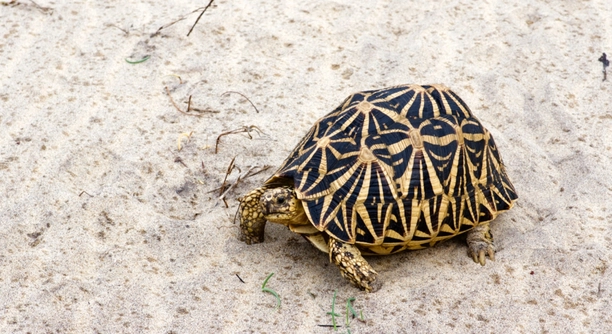
Is your turtle constantly escaping from its tank, leaving you worried about its safety? A secure and comfortable habitat is essential to prevent escapes and ensure your pet stays happy and healthy in its environment.
The most effective way to stop your turtle from escaping is by ensuring the tank has proper barriers, a secure lid, and enough space. Turtles are natural climbers, so adjusting decorations, maintaining water levels, and providing enrichment can help minimize escape attempts.
Creating a secure setup will keep your turtle safe while preventing stressful escapes. Understanding these key factors will help you maintain a well-balanced habitat for your pet.
Secure the Tank with a Proper Lid
A well-fitted lid is essential to prevent your turtle from escaping. Turtles are surprisingly strong and persistent, so a lightweight cover may not be enough. Choose a sturdy, well-ventilated lid that allows airflow while keeping your pet contained. Mesh lids work well, but ensure they are secured with clamps or locks to prevent lifting. If using a solid cover, check that it has ventilation holes to maintain proper air circulation. Regularly inspect the lid for any signs of damage or wear that could create an escape route.
A loose or weak lid can make it easy for your turtle to climb out. Even if the tank’s walls seem high enough, turtles are skilled at using decorations and tank edges to pull themselves up.
A secure lid not only prevents escapes but also protects your turtle from household hazards. Proper ventilation ensures a comfortable environment while keeping your pet safely inside.
Adjust Decorations and Tank Setup
Turtles often escape by climbing on decorations. Tall rocks, plants, or basking platforms placed too close to the edge can give them the boost they need to climb out. Keep decorations positioned away from the tank walls to eliminate potential escape routes.
If your turtle is frequently trying to escape, consider evaluating the tank’s overall setup. A cramped or poorly arranged environment can lead to restless behavior. Providing enough space, a balanced water level, and varied enrichment items can help reduce the urge to climb. Ensure that the basking platform is not too close to the tank’s edge, as turtles may use it to push themselves up and over.
Regularly check the placement of decorations and adjust them as needed. Simple changes can make a big difference in keeping your turtle safely inside its habitat. A well-arranged tank provides a secure and comfortable space, reducing the chances of escape attempts.
Maintain Proper Water Levels
A low water level makes it easier for turtles to climb out. Keeping the water high enough, while ensuring a secure basking area, reduces the chance of escape. Adjust the level so your turtle cannot reach the edge of the tank.
If the water level is too low, turtles can use their legs to push off decorations and reach the top. A properly filled tank limits their ability to climb while still providing enough space for swimming. Ensure that the basking platform is positioned safely, allowing easy access without being too close to the edges. Regularly monitor the water level to prevent accidental escapes.
Evaporation and splashing can cause the water level to drop over time. Check it frequently and refill as needed. A stable water level not only prevents escape attempts but also helps maintain the right humidity and temperature for your turtle’s health.
Use a Tank with High Walls
A tank with tall walls creates a natural barrier against escapes. Turtles are excellent climbers, and if the walls are too low, they will eventually find a way out. Choosing a tank with sufficient height reduces this risk significantly.
Glass and acrylic tanks with smooth, tall walls make it harder for turtles to grip and climb. Unlike enclosures with rough surfaces, these materials prevent traction, keeping your turtle securely inside. If using a wooden or plastic tank, ensure the interior is smooth to avoid giving them climbing leverage. A higher tank also provides more space for swimming, which can help reduce restlessness.
Providing a spacious tank with tall walls gives your turtle a secure and comfortable home. Combined with proper decorations, water levels, and a secure lid, this setup minimizes escape attempts. Regularly check the enclosure to ensure all elements remain safe and effective.
Provide Enough Space for Your Turtle
A small tank can make your turtle restless and more likely to attempt escape. When turtles outgrow their enclosures, they instinctively search for larger spaces. Providing a spacious tank reduces stress and gives them room to swim, bask, and explore comfortably.
An overcrowded tank can lead to boredom and frustration. Turtles need enough space to move freely without feeling confined. Upgrading to a larger enclosure helps keep them engaged and less focused on escaping. Regularly assess their habitat size and upgrade when necessary to ensure their long-term comfort.
Minimize External Stressors
Loud noises, excessive handling, and sudden movements can make turtles anxious, leading to escape attempts. A calm environment reduces stress and helps them feel secure in their habitat. Keeping the tank in a quiet area prevents unnecessary disturbances and promotes a more relaxed behavior.
Check for Gaps and Weak Spots
Small openings in the lid or tank can become easy escape routes. Regularly inspect the enclosure for loose sections, cracks, or weak points. Reinforce any vulnerable areas to ensure your turtle remains safely inside. Even minor gaps can be enough for a determined turtle to squeeze through.
FAQ
Why does my turtle keep trying to escape?
Turtles attempt to escape for several reasons, including inadequate tank size, improper water levels, lack of hiding spots, or stress from external factors. If the enclosure is too small or lacks enrichment, your turtle may feel confined and try to find a better space. Environmental stressors like loud noises, excessive handling, or sudden changes in temperature can also make them restless. Regularly check the tank conditions to ensure your turtle has everything it needs for a comfortable and secure habitat.
Can a turtle escape from a closed tank?
Yes, turtles can escape from a closed tank if there are gaps, weak spots, or unsecured lids. They are strong and persistent climbers, capable of pushing open loose covers. Using a properly secured, escape-proof lid prevents them from getting out. Ensure all openings are covered and check for any potential weak points in the setup.
Do turtles get bored in their tanks?
Turtles can become bored if their environment lacks stimulation. Without enough space, hiding spots, or interactive elements, they may try to escape out of frustration. Providing a variety of decorations, basking areas, and proper tank mates can help keep them engaged and reduce escape attempts. Regularly changing the tank layout also adds enrichment.
How high should my turtle tank walls be?
Tank walls should be at least twice the length of your turtle’s shell to prevent climbing attempts. Taller walls, combined with smooth surfaces, make it more difficult for them to escape. Avoid placing decorations too close to the edges, as they can use them as leverage to climb out.
What should I do if my turtle escapes?
If your turtle escapes, start by searching nearby areas where they might hide, such as under furniture or in dark corners. Check warm and moist places since turtles seek comfortable spots. Once found, inspect them for any injuries and return them to a secure enclosure. Reinforce the tank to prevent future escapes.
How can I make my turtle feel more comfortable in its tank?
A well-maintained habitat with proper temperature, lighting, and enrichment helps turtles feel safe. Provide a spacious tank, hiding spots, a basking area, and a balanced diet. Keeping the environment calm by reducing loud noises and excessive handling also contributes to their overall well-being.
Do all turtles try to escape?
Not all turtles attempt to escape, but many will if their needs are not met. Young or newly introduced turtles may try to leave their enclosure due to stress or unfamiliar surroundings. A well-designed tank that meets their physical and psychological needs reduces the likelihood of escape behavior.
Should I let my turtle roam outside the tank?
Allowing a turtle to roam outside the tank can be risky if not properly supervised. They can get lost, stuck in small spaces, or exposed to harmful objects. If you want to give them time outside, create a safe and enclosed area where they can explore without danger.
How often should I check my turtle’s tank for escape risks?
Regularly inspect the tank at least once a week for loose lids, gaps, or climbing opportunities. Check decorations and water levels to ensure they are not creating escape routes. Routine maintenance helps prevent escapes and keeps your turtle’s habitat safe and secure.
Final Thoughts
Preventing your turtle from escaping requires a well-maintained habitat that meets all of its needs. A spacious tank with secure walls, a proper basking area, and engaging decorations will help keep your turtle comfortable and less likely to climb out. Consistently monitoring tank conditions, ensuring the right water levels, and securing the lid will reduce the chances of escape. Turtles are naturally curious, and if their enclosure lacks stimulation or proper space, they will attempt to explore beyond their tank. Making small adjustments, such as adding hiding spots or adjusting the temperature, can make a significant difference in keeping them safe.
Understanding why turtles try to escape helps in creating an environment that keeps them happy and secure. Factors like stress, boredom, and improper tank setup can lead to frequent escape attempts. If a turtle constantly tries to get out, it is often a sign that something in its habitat needs improvement. Observing their behavior and making necessary changes can prevent future issues. Regularly checking for escape risks and reinforcing weak points in the tank setup is important for maintaining a secure space. A well-designed habitat provides not only safety but also ensures your turtle remains active and content.
Taking the time to improve your turtle’s living space will help prevent escape attempts and create a healthier environment. Simple changes, such as providing proper UV lighting, maintaining water quality, and offering a varied diet, contribute to their overall well-being. Keeping your turtle’s tank clean and free of hazards ensures a stress-free and secure home. Every turtle has different needs, so paying attention to their behavior will guide you in making necessary adjustments. By consistently providing the right care, you can create a safe and comfortable space where your turtle thrives without the risk of escape.

Hello,
If you enjoy the content that we create, please consider saying a "Thank You!" by leaving a tip.
Every little bit helps us continue crafting quality advice that supports the health, happiness, and well-being of pets around the world, for pets of all shapes, sizes, and species.
We really appreciate the kindness and support that you show us!