
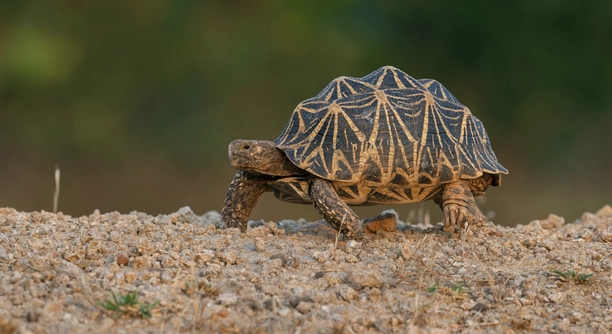
Is your turtle’s water turning green much faster than expected? Algae growth, poor filtration, and excess nutrients can quickly cloud the tank. Maintaining clean water is essential for your turtle’s health and the overall appearance of its habitat.
The most common reason for rapidly greening water is excessive algae growth caused by too much light and nutrient buildup. Uneaten food, waste, and improper filtration contribute to the issue. Regular water changes, proper filtration, and controlled lighting can help prevent rapid discoloration.
Addressing these factors will improve water clarity and create a healthier environment for your turtle. Understanding the causes allows you to maintain a cleaner, more balanced aquatic habitat.
Common Causes of Green Water
Excessive algae growth is the main reason your turtle’s water turns green. Algae thrive in environments with too much light and an abundance of nutrients. If your tank is placed near a window or has lights running too long, algae can multiply quickly. Overfeeding your turtle or not cleaning waste regularly also adds nutrients that encourage algae blooms. Poor filtration allows organic matter to accumulate, making the water murky. Even tap water can contribute if it contains phosphates that promote algae growth. Addressing these factors is essential for maintaining a clear and healthy tank.
Controlling light exposure is one of the easiest ways to prevent green water. Limiting direct sunlight and using a timer for artificial lights helps reduce algae growth. Regular cleaning and proper feeding habits also play a significant role in keeping the water balanced.
Upgrading to a strong filter designed for turtle tanks helps remove waste efficiently. Performing regular water changes prevents nutrient buildup, keeping the tank clean. Adding live plants can also help by competing with algae for nutrients. Consider using an algae scraper or safe water treatments if needed. Taking these steps ensures your turtle has a healthy, clear environment to thrive in.
How to Keep the Water Clear
Routine maintenance is key to preventing green water. Cleaning the tank weekly, using a high-quality filter, and limiting light exposure make a significant difference. Avoid overfeeding, as uneaten food breaks down and adds excess nutrients. Removing debris daily also helps maintain a clean tank.
A good filtration system is essential for keeping the water clear. Canister filters are ideal for turtle tanks because they provide strong mechanical and biological filtration. Changing the filter media regularly ensures it functions properly. In addition, performing partial water changes every week helps remove waste buildup.
Live plants can naturally control algae by absorbing excess nutrients. Floating plants like duckweed and water lettuce shade the tank and limit algae growth. Snails and algae-eating fish may also help keep algae in check if they are compatible with your turtle. Avoid chemical treatments unless necessary, as some can harm your turtle’s health. Consistent maintenance and proper care will keep your turtle’s water clear and balanced.
The Role of Water Quality
Dirty water leads to more than just algae growth. Poor water quality can cause odors, bacterial buildup, and health issues for your turtle. Ammonia from waste breaks down into harmful compounds, making regular cleaning essential to prevent illness and keep the habitat safe.
Testing the water regularly helps maintain proper balance. A test kit can measure ammonia, nitrites, and nitrates, ensuring they stay at safe levels. High levels indicate the need for a water change or better filtration. Chlorine in tap water can also be harmful, so using a water conditioner removes harmful chemicals. Keeping the pH stable prevents stress and shell problems.
Water temperature plays a role in overall tank health. A heater may be necessary to maintain stability, depending on your turtle’s species. Cold water slows digestion, leading to waste buildup. Keeping the temperature within the recommended range supports digestion and overall health.
Preventing Algae Growth Naturally
Reducing algae growth starts with controlling nutrient levels. Overfeeding contributes to excess nutrients, so offering the right portion size helps prevent buildup. Removing uneaten food promptly stops it from breaking down and releasing nutrients into the water. Keeping the substrate clean by vacuuming debris also limits algae growth.
Live plants can naturally absorb excess nutrients, helping to keep the water clear. Fast-growing plants like hornwort or anacharis compete with algae, limiting their growth. Snails and algae-eating fish can also help, as long as they are compatible with your turtle. Adding driftwood or decorations that provide shade reduces light exposure, further controlling algae. Consistently maintaining the tank prevents recurring issues.
Importance of Regular Tank Maintenance
Changing the water regularly helps prevent algae buildup and keeps the environment safe. Partial water changes remove excess nutrients, improving clarity. A 25–50% water change each week prevents waste from accumulating while maintaining beneficial bacteria for a stable ecosystem.
Scrubbing the tank walls removes algae before it spreads. Using an algae scraper or sponge helps keep surfaces clean. Rinsing decorations and filter media with tank water prevents clogging while preserving beneficial bacteria. Staying consistent with cleaning reduces the risk of recurring green water.
Choosing the Right Tank Equipment
A strong filter designed for turtle tanks is essential for maintaining water clarity. Canister filters are effective because they handle large amounts of waste and provide mechanical, biological, and chemical filtration. Choosing a filter with at least three times the tank’s water capacity ensures efficient waste removal. Regular maintenance keeps it functioning properly.
Managing Light Exposure
Too much light encourages algae growth, so limiting exposure is important. Keeping the tank away from direct sunlight helps prevent excessive algae blooms. Using a timer for artificial lighting ensures a consistent schedule and prevents unnecessary light exposure.
FAQ
Why is my turtle’s water turning green even though I clean it regularly?
Green water can still appear due to a variety of factors even with regular cleaning. Excess light, either from sunlight or aquarium lighting, can fuel algae growth. Overfeeding your turtle adds extra nutrients to the water, encouraging algae blooms. Make sure you are not overfeeding and that your tank is receiving the proper amount of light. Also, check your filtration system to ensure it’s effectively filtering the water.
How often should I clean my turtle tank?
Cleaning the tank at least once a week is recommended. This includes performing a partial water change of about 25–50%. Regularly scrub the tank walls to prevent algae buildup, and vacuum the substrate to remove debris. This helps maintain water clarity and reduces the risk of harmful bacteria.
Can algae-eating fish help clear the water?
Algae-eating fish, like plecos or certain types of catfish, can help keep algae under control, but they won’t eliminate the problem entirely. They should be considered a supplementary solution, not a primary one. Make sure the fish are compatible with your turtle, as some species may be too small or vulnerable to be in the same tank.
What type of filter is best for a turtle tank?
A canister filter is generally the best choice for a turtle tank because it can handle a larger volume of water and effectively remove waste. The filter should be rated for at least three times the volume of your tank to ensure it works efficiently. Clean the filter regularly to prevent it from getting clogged and to ensure proper filtration.
Should I use tap water in my turtle tank?
Tap water is generally fine, but it often contains chlorine or chloramine, which can harm your turtle. It’s recommended to treat tap water with a water conditioner to neutralize these chemicals. Additionally, test the water regularly for pH and other parameters to ensure it is safe for your turtle.
How can I reduce the algae growth in my turtle tank?
To reduce algae growth, control the light exposure in your tank. Use a timer to limit artificial lighting and keep your tank out of direct sunlight. Avoid overfeeding your turtle, as leftover food and waste contribute to excess nutrients in the water. Regular water changes and proper filtration also help.
Is it okay to use chemical treatments for algae?
While chemical treatments can remove algae, they should be used with caution. Some chemicals can harm your turtle and other tank inhabitants. It’s best to address algae issues with natural methods like controlling light exposure, improving filtration, and using algae-eating fish or snails.
How do I know if my filter is working properly?
A filter should be strong enough to handle the water volume in your tank. Check for signs of clogged filter media or a decrease in water flow, which can indicate that the filter is not working as efficiently as it should. Clean the filter media regularly and replace it as needed to maintain optimal performance.
What are the signs that my turtle’s tank water is unhealthy?
Unhealthy tank water may appear cloudy or green, smell unpleasant, or contain visible waste. Your turtle may also show signs of stress, such as lethargy or skin problems. If the water parameters (pH, ammonia, nitrate levels) are out of balance, it’s essential to take corrective action immediately.
Can plants help keep the water clear?
Yes, live plants can help reduce algae growth by absorbing excess nutrients in the water. Plants like hornwort or anacharis grow quickly and compete with algae for resources. They also provide shade, which limits light exposure to the algae. Plants are a natural and effective way to maintain a healthier tank environment.
How can I remove green water without harming my turtle?
To safely remove green water, you can start by improving your tank’s filtration and reducing light exposure. Perform regular water changes and avoid overfeeding. If the problem persists, consider adding an algae-eating fish or using live plants to naturally control the algae. Keep your turtle’s health in mind when selecting any solutions.
Can I use a UV sterilizer to clear green water?
A UV sterilizer can help clear green water by killing algae cells with ultraviolet light. While effective, it should be used alongside other methods like improving filtration and controlling nutrients. UV sterilizers are safe for your turtle and can be a helpful tool to maintain clear water.
How does overfeeding affect water quality?
Overfeeding adds excess nutrients to the water, which can lead to algae growth. When your turtle doesn’t eat all the food, it breaks down and increases the nutrient levels in the tank. This creates the perfect environment for algae to thrive. Stick to a regular feeding schedule and remove any uneaten food promptly.
Why is my turtle’s shell becoming soft in green water?
A soft shell can be a sign of poor water quality or a nutritional deficiency. Green water may indicate an imbalance in the tank, with high levels of ammonia or other harmful compounds. It’s important to clean the water regularly, maintain proper water parameters, and ensure your turtle has a balanced diet to promote shell health.
How can I tell if my turtle is stressed?
Signs of stress in a turtle include a lack of appetite, lethargy, or unusual behavior such as excessive hiding. Stress can be caused by poor water quality, inadequate lighting, or incompatible tank mates. Ensuring that the water is clean, maintaining proper temperatures, and providing a stress-free environment will help your turtle feel secure.
Final Thoughts
Maintaining clear and healthy water in your turtle’s tank is crucial for its overall well-being. Regular cleaning, proper filtration, and consistent water changes are the foundation of a healthy environment. Algae blooms, while common, can be controlled with a combination of good practices, such as limiting light exposure, controlling nutrients, and using appropriate tank equipment. By making small adjustments to your tank care routine, you can keep your turtle’s habitat clean and comfortable.
Paying attention to your turtle’s water quality is also essential for its health. Poor water conditions can lead to a variety of issues, from stress to shell problems. Keeping the water free of excess waste, checking the filter, and maintaining a regular cleaning schedule are all part of the process. Remember that turtles can be sensitive to changes in their environment, so it’s important to create a stable and consistent habitat for them. Monitoring water parameters and acting quickly when issues arise will help prevent long-term problems.
Lastly, don’t overlook the benefits of using live plants or algae-eating creatures to maintain a balanced tank. These natural methods can help reduce algae growth and keep the water clearer, making maintenance easier. While it’s important to control the lighting, filtration, and feeding habits, adding plants or compatible fish provides additional support. Ultimately, with proper care and attention to detail, you can ensure that your turtle’s environment remains healthy, safe, and free from green water issues.

Hello,
If you enjoy the content that we create, please consider saying a "Thank You!" by leaving a tip.
Every little bit helps us continue crafting quality advice that supports the health, happiness, and well-being of pets around the world, for pets of all shapes, sizes, and species.
We really appreciate the kindness and support that you show us!