
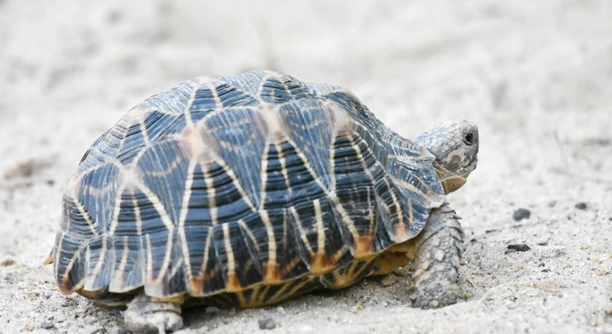
Turtles are unique creatures, and sometimes they can be picky about their food. If your turtle has stopped eating pellets, it may be due to several reasons. Understanding why this happens is important for keeping your turtle healthy.
The main reasons your turtle may stop eating pellets include changes in diet preferences, health issues, environmental stress, or even the quality of the pellets. Each factor could impact your turtle’s eating habits and overall wellbeing.
Understanding why your turtle refuses pellets will help you make the right adjustments for a healthy, happy pet. Keep reading for some insights.
Change in Diet Preferences
Turtles can be picky eaters, and sometimes their food preferences simply change. It’s not uncommon for a turtle to lose interest in pellets over time. A new type of food or a change in taste could be all it takes for your turtle to refuse pellets. You may notice they start eating other types of food, like fresh veggies or worms, instead. This change can be influenced by age, health, or even boredom with the same type of pellets.
If your turtle suddenly refuses pellets, it might be a sign they’re seeking variety. If you’ve been feeding the same pellets for a while, try offering something different. Mixing in fresh greens or live food can help reawaken their appetite for pellets. You can gradually reintroduce the pellets by mixing them with these new foods to ease the transition.
It’s important to monitor your turtle’s overall health and make sure they’re getting proper nutrition. Even if they refuse pellets, other foods should meet their dietary needs. If your turtle shows signs of malnutrition or weight loss, it’s time to seek advice from a vet.
Health Issues
Health problems can also cause turtles to stop eating pellets. Digestive issues, mouth infections, or internal parasites are some of the conditions that might make eating difficult. If your turtle refuses food consistently, it could be due to discomfort or pain.
It’s important to observe your turtle closely for signs of illness, such as swelling, lethargy, or changes in behavior. Sometimes, turtles stop eating because they are unable to chew or swallow due to mouth infections or abscesses. If this happens, seek veterinary care right away. A vet can help diagnose the issue and provide appropriate treatment.
A health problem doesn’t always show up immediately, so it’s essential to look for subtle signs like a decrease in activity or an unwillingness to interact. The sooner you address any health concerns, the better your turtle’s chances of returning to a healthy eating routine. Always remember, if in doubt, a quick vet visit can ensure your turtle stays on track.
Environmental Stress
Environmental stress can play a big role in your turtle’s refusal to eat. If there’s a sudden change in temperature, lighting, or habitat, it can make your turtle feel uneasy. Turtles are sensitive to their environment, and any stress can affect their appetite.
If your turtle’s habitat isn’t properly set up, it might lead to decreased feeding. Make sure the water temperature and basking area are at ideal levels. Turtles need a warm environment to digest their food properly. Check your UVB light as well, since insufficient lighting can also cause stress. If you’ve recently moved the tank or made other changes, this could be a trigger.
Consider returning the environment to its original state if you notice changes in behavior. Stress can also be caused by excessive noise or the presence of other pets. If everything else checks out, try making the surroundings calm and familiar again to help your turtle feel more comfortable.
Poor Pellet Quality
Pellets that are stale, old, or improperly stored might not appeal to your turtle. Even if the pellets appear fine to you, they could be off-putting to your pet. Turtles have keen senses, and bad-quality pellets may have an odor or texture that they dislike.
You should always check the expiration date on the packaging and ensure the pellets are stored in a cool, dry place. If the pellets have been exposed to moisture, they can become soft or moldy, which will deter your turtle from eating them. Also, pellets can lose their nutritional value over time, which may be another reason your turtle is turning them down.
Investing in fresh, high-quality pellets can go a long way. If you feel your turtle isn’t interested in the pellets despite their freshness, you may need to try a different brand or type. You could also consider offering a mix of foods to keep your turtle satisfied.
Temperature Fluctuations
If the temperature in your turtle’s habitat fluctuates too much, it can cause them to stop eating. Turtles need a stable environment, and drastic temperature changes can be stressful for them. This stress can lead to a lack of appetite.
Make sure the water and basking area temperatures are consistent and within the recommended range for your specific turtle species. Extreme cold or heat can slow down digestion, causing them to refuse food. Keep a thermometer in the tank to monitor temperatures, ensuring they stay stable and comfortable for your pet.
Overfeeding
Overfeeding can lead to your turtle turning down pellets. If your turtle is given too much food, they may not feel hungry when pellets are offered. Turtles can get used to eating too frequently, leading them to lose interest in their regular diet.
Try to regulate their food intake and offer meals at regular intervals. Remove any uneaten food to avoid encouraging overfeeding. It’s best to stick to a feeding schedule and avoid feeding too much or too often, which can lead to health problems as well.
Lack of Exercise
If your turtle isn’t getting enough exercise, it can affect their appetite. Turtles need to swim and move around to stay active and healthy. A lack of exercise can make them feel sluggish and uninterested in eating.
Make sure your turtle has plenty of space to swim and explore. A large tank with enough room to move around is important for their physical activity. Additionally, you can add items like rocks or platforms in the tank to encourage your turtle to swim more, promoting better digestion and overall health.
FAQ
Why won’t my turtle eat pellets anymore?
There are several possible reasons your turtle might stop eating pellets. It could be a simple case of boredom or a change in their diet preferences. Turtles sometimes lose interest in pellets, especially if they’ve been fed the same food for a long time. Another possibility is that environmental stress or temperature changes have made your turtle uncomfortable, leading them to refuse food. Health issues, such as mouth infections or digestive problems, can also be a reason. If the pellets have gone stale or were stored incorrectly, they might not appeal to your turtle.
How do I know if my turtle is sick?
A sick turtle may show signs of lethargy, loss of appetite, or changes in behavior. If your turtle has swollen eyes, a runny nose, or appears to have difficulty swimming, these are warning signs. In some cases, a turtle may develop shell rot or a soft shell, which can indicate an underlying health issue. If your turtle has been refusing food for an extended period, it could be a sign of illness. A vet visit is necessary for proper diagnosis and treatment if you notice any of these symptoms.
Can I try offering other food if my turtle won’t eat pellets?
Yes, offering other types of food is a great way to encourage your turtle to eat. Fresh greens, such as lettuce, kale, or dandelion greens, are good alternatives. Live food, like crickets, mealworms, or earthworms, can also be tempting for your turtle. It’s essential to introduce new foods gradually and mix them with pellets, so your turtle doesn’t completely stop eating the pellets. Just be sure to provide a balanced diet to meet their nutritional needs.
How can I make my turtle’s environment more comfortable?
To make your turtle’s environment more comfortable, ensure the water temperature and basking area are within the recommended range for your species. Check the UVB light to make sure it’s working properly and positioned correctly. A stable environment with minimal disruptions is key to your turtle’s wellbeing. If you’ve recently moved your turtle or made changes to their habitat, try to restore their original setup to reduce stress. Adding plants, hiding spots, or items for them to climb on can also help create a more enriching space.
Are there specific pellets my turtle will like better?
Different types of pellets may appeal to your turtle, so it’s worth experimenting with a few brands. Some turtles prefer pellets with higher protein content, while others may prefer pellets made with more plant-based ingredients. Look for high-quality pellets that match your turtle’s specific dietary needs, based on their species. It’s also a good idea to rotate between pellet types to avoid them getting bored with the same food. Fresh, high-quality pellets stored properly are more likely to be accepted by your turtle.
How often should I feed my turtle?
The frequency of feeding depends on the age and species of your turtle. Young turtles generally need to be fed every day, while adult turtles can be fed every other day. Overfeeding can lead to health issues like obesity, so it’s essential to monitor your turtle’s weight and adjust feeding schedules accordingly. A feeding schedule should include appropriate portions based on your turtle’s size and activity level. If your turtle is turning down food, try adjusting the amount or frequency of meals.
What if my turtle refuses food for several days?
If your turtle refuses food for several days, it’s important to evaluate possible causes. Check for environmental issues, such as temperature or lighting problems. If your turtle seems stressed, consider if changes to their habitat may have affected their appetite. However, if your turtle continues to refuse food, it could be a sign of a health issue. A visit to the vet is advised to rule out any underlying medical conditions.
Can I mix fresh food with pellets?
Mixing fresh food with pellets can encourage your turtle to eat, especially if they’ve grown tired of their usual pellets. You can try combining fresh greens, fruits, or live food with the pellets to make them more appealing. Just be cautious with the types of fresh foods you offer, as some may not be safe for your turtle. Also, ensure that the fresh food does not replace the pellets entirely, as pellets provide important nutrients that your turtle needs for a balanced diet.
Should I worry if my turtle only eats certain types of food?
As long as your turtle is eating and maintaining a healthy weight, it’s not a major concern if they prefer specific foods. However, variety is essential to ensure they get the full spectrum of nutrients. If your turtle only eats certain types of food, like worms or vegetables, try offering a more diverse range. A balanced diet is key to keeping your turtle healthy in the long term, so consider supplementing their preferred foods with others.
How do I handle turtles that are picky eaters?
If your turtle is a picky eater, it might take some patience to get them to eat a balanced diet. Start by offering a variety of foods and observe what they prefer. Mixing pellets with fresh vegetables or live food can be a good way to introduce different tastes. Gradually reduce the amount of preferred foods and increase the amount of pellets to help transition them back to a more balanced diet. If the issue persists, consult a vet to ensure your turtle is getting the proper nutrition.
Final Thoughts
Understanding why your turtle has stopped eating pellets can be a bit tricky, but it’s important to pay attention to the signs. Whether it’s a change in diet preferences, health issues, or environmental stress, addressing the cause early can help you get your turtle back to eating regularly. As a pet owner, it’s essential to be observant of your turtle’s behavior and take note of any changes that might affect their eating habits. With some time and effort, most issues can be resolved with small adjustments to their diet, environment, or routine.
If you suspect your turtle is refusing pellets due to illness, it’s crucial to consult a vet for a proper diagnosis. Health concerns like mouth infections or digestive problems should not be ignored. If the pellets themselves are stale or improperly stored, consider switching to fresh, high-quality food. Offering a mix of foods, such as fresh greens or live prey, can also encourage your turtle to eat. Remember, a varied diet is important to ensure your turtle gets all the nutrients they need. Don’t hesitate to try different types of food until you find what works for your pet.
Lastly, consistency is key when it comes to your turtle’s environment and feeding habits. Keeping their tank temperature, lighting, and habitat conditions stable will help reduce stress and improve their appetite. Overfeeding or lack of exercise may also affect your turtle’s eating habits. By making small, mindful changes to your turtle’s diet and surroundings, you can help ensure they stay healthy and happy. As always, if you’re unsure about anything, don’t hesitate to reach out to a professional for guidance.

Hello,
If you enjoy the content that we create, please consider saying a "Thank You!" by leaving a tip.
Every little bit helps us continue crafting quality advice that supports the health, happiness, and well-being of pets around the world, for pets of all shapes, sizes, and species.
We really appreciate the kindness and support that you show us!