
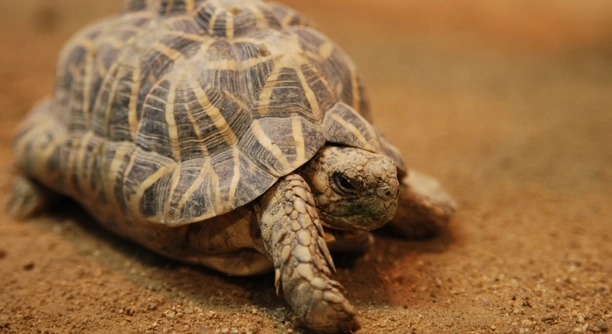
Sometimes, you may notice your turtle sleeping outside of the water. It can seem odd, especially since they are aquatic creatures. Understanding the reasons behind this behavior can help you ensure your pet’s well-being.
Turtles may sleep outside the water due to factors such as temperature regulation, comfort, or health concerns. Exposure to external environments helps them maintain body temperature or seek a safe, dry space when they feel stressed or unwell.
While occasional naps outside of the water are normal, a consistent change in behavior could indicate an underlying issue. Proper observation can help you determine if it’s a natural habit or something requiring attention.
Reasons for Sleeping Outside the Water
Turtles, like other reptiles, rely on the environment around them to regulate their body temperature. They do not have internal mechanisms to control heat and cold, so they must find a spot to warm up or cool down. If a turtle is sleeping outside the water, it could be looking for a warmer or cooler place to adjust its body temperature.
If you notice your turtle sleeping on the land for longer periods, it may also be trying to avoid the water temperature if it is too cold or too warm. A sudden shift in water temperature can cause discomfort, leading your turtle to leave the water in search of a more suitable resting place.
In some cases, your turtle could be sleeping outside the water due to stress or anxiety. A sudden change in the environment, like a move to a new tank or other pets in the area, can make the turtle feel insecure. These feelings could cause it to seek a dry, safe space away from the water to feel less vulnerable. Stress in turtles may also result in lack of appetite or changes in their usual habits, so it’s important to observe other signs of stress.
Health Issues That May Cause This Behavior
Health problems can also contribute to your turtle’s decision to sleep outside the water. If your turtle is experiencing a skin or shell infection, it might prefer to stay dry. Wet conditions can aggravate the infection, so your turtle may avoid the water to reduce discomfort.
Infections, parasites, or other internal health issues can also cause changes in behavior. For example, a turtle that has trouble swimming due to buoyancy issues might prefer to stay on land. If this happens, a visit to the vet can help to identify and treat any underlying conditions. Regular health checks can also prevent issues from becoming more serious.
Temperature and Habitat Conditions
Turtles are sensitive to changes in temperature. If the water temperature is too high or too low, they might choose to sleep outside the water. They do this to regulate their body heat and avoid discomfort. If your tank isn’t the right temperature, you may see your turtle spending more time on land.
A basking area with a heat lamp is essential for your turtle to maintain the right temperature. The basking spot should be around 85-95°F, while the water temperature should be around 75-80°F. Keeping these temperature ranges consistent helps your turtle feel comfortable. If your tank fluctuates too much, your turtle may seek a dry spot to rest away from the water, which is why it’s important to have a thermometer to monitor the temperature regularly.
Temperature regulation is crucial for your turtle’s health and energy levels. If it’s too hot in the water or if they cannot cool off, they might get stressed. Always provide your turtle with enough options to regulate its body temperature. With both warm water and basking spots available, your turtle should feel comfortable and spend time in both places. If the temperature is consistently wrong, it may end up spending too much time on land, which isn’t ideal.
Stress and Behavioral Changes
Changes in your turtle’s environment can lead to stress, causing it to sleep outside the water more often. Turtles are creatures of habit, and disruptions in their space—like new pets, changes in their tank setup, or loud noises—can make them feel unsafe. Stress can lead to irregular behaviors such as sleeping away from the water.
Turtles need a stable environment to feel secure. If your turtle is acting differently and spending more time outside the water, it’s important to consider any changes that might be causing it stress. Small adjustments to their tank setup, such as hiding places or quiet surroundings, can help make them feel more comfortable.
Constant exposure to stress can affect your turtle’s eating habits and overall health. If your turtle is stressed, it might also show signs like not eating or swimming less than usual. Addressing the sources of stress, whether it’s changes in their environment or improper handling, will encourage a healthier routine and reduce the need to stay on land.
Inadequate Tank Setup
Your turtle may be spending too much time outside the water if its tank setup isn’t ideal. If the water is shallow, they may feel confined and leave the water for more space. An improperly designed tank may also discourage your turtle from swimming or basking as needed.
Turtles require both deep enough water to swim and a basking area where they can dry off and warm up. If these elements are lacking or improperly positioned, your turtle may leave the water to find a more comfortable space. Ensure your tank has enough room and appropriate levels for both water and land areas.
The Role of Age and Species
Older turtles or certain species may naturally spend more time on land. As turtles age, they may slow down and seek a more comfortable, dry place to rest. Certain species, like box turtles, are more terrestrial by nature and may not need to be in the water as often.
It’s important to understand the needs of your specific turtle species. While aquatic species tend to stay in the water most of the time, semi-aquatic or land-dwelling species might prefer more time on land. Consider your turtle’s age and species when observing its behavior to determine if spending time on land is natural.
Medical Attention
If your turtle continues to sleep outside the water for extended periods, it may need medical attention. Shell rot, respiratory infections, or other issues could make it uncomfortable in the water. A vet can help identify any health problems that could be causing your turtle’s behavior.
If there are signs of injury, discomfort, or unusual behavior, it’s best to seek professional advice. Regular health checks are a good way to catch any issues early, ensuring your turtle stays healthy and comfortable.
FAQ
Why does my turtle sleep outside the water?
Turtles might sleep outside the water for several reasons. One common reason is to regulate their body temperature. If the water is too cold or too warm, your turtle may seek a dry spot to adjust its temperature. It could also be trying to rest in a safe and quiet area, away from any stressors in the tank. Some turtles may naturally prefer a land-based rest period, especially if they are semi-aquatic or older. Additionally, if the turtle is sick or dealing with a health issue like a shell infection, it might prefer to stay dry to reduce irritation.
How do I know if my turtle is stressed?
A stressed turtle will often exhibit changes in behavior. If it’s spending too much time outside the water or not eating, it might be stressed. Other signs of stress can include hiding more than usual, lethargy, or excessive basking. You might also notice that your turtle is more aggressive or withdrawn. If the environment has changed recently, like new tank mates or moving locations, this could contribute to the stress. Make sure the tank’s setup is comfortable and that there are no disruptive factors affecting your turtle.
What is the ideal tank temperature for my turtle?
The water temperature for your turtle should be between 75°F and 80°F. The basking area should be between 85°F and 95°F, as this provides a warm spot for your turtle to dry off and regulate its temperature. If your turtle is spending too much time outside the water, it might be because the tank temperature is too hot or too cold. Make sure to use a water heater and a heat lamp to maintain consistent temperatures. Using thermometers both in the water and near the basking area can help keep track of the conditions.
How can I create a better tank environment for my turtle?
To improve your turtle’s tank, make sure you have both an aquatic area and a land area with a basking spot. The water should be deep enough for swimming, while the land area should have a place to climb up and rest. Include hiding spots for your turtle to feel safe, and ensure there is plenty of clean water. You can also add plants, rocks, or logs for your turtle to explore. A proper filtration system is crucial for maintaining water quality. By making sure your turtle’s environment is comfortable and secure, you can help it feel at ease.
Should I be concerned if my turtle is spending a lot of time on land?
If your turtle is spending more time on land than usual, it may be fine, especially if it’s a species that naturally spends time outside the water. However, if the behavior is new or unusual, you should consider other factors like temperature, stress, or health issues. Spending time outside the water could also be a sign that the water conditions are not ideal. If the turtle is still eating, active, and showing no signs of illness, it may just be a matter of preference. If you’re concerned, a trip to the vet can help rule out any health problems.
What should I do if my turtle is not eating?
If your turtle refuses to eat, it might be a sign of stress or illness. Check the water temperature, as extreme heat or cold can make your turtle lose its appetite. Also, make sure your turtle is getting a balanced diet, with both plant and animal-based foods depending on its species. If there are no obvious environmental factors, stress, or dietary issues, the turtle might be sick, and you should consult a vet. Lack of appetite is often one of the first signs of illness in turtles, so it’s important to address it as soon as possible.
How do I treat a turtle that is sick?
If your turtle seems sick, first assess its environment. Ensure the water temperature and basking areas are optimal. If your turtle is still showing signs of illness, such as lethargy, not eating, or abnormal behavior, you should take it to a vet who specializes in reptiles. They will likely perform a thorough examination and may suggest treatment like antibiotics or changes in diet. Regular vet check-ups can help prevent serious issues and keep your turtle healthy.
What are the most common health issues in turtles?
Common health problems in turtles include respiratory infections, shell rot, and parasites. Respiratory infections are often caused by improper tank temperatures or exposure to drafts. Shell rot can develop from prolonged exposure to dirty water or humidity. Parasites can infect turtles if they eat contaminated food or water. It’s important to monitor your turtle’s behavior and look for signs like swollen eyes, difficulty breathing, or abnormal shell appearance. If you notice any of these symptoms, consult a reptile vet for proper diagnosis and treatment.
Why does my turtle bask so much?
Basking is a natural behavior for turtles. They need to bask to regulate their body temperature and dry off after swimming. Basking also helps turtles maintain healthy shell growth and provides exposure to ultraviolet (UV) light, which is essential for producing Vitamin D3. If your turtle is basking a lot, it could be ensuring its body is warm enough or getting the UV exposure it needs. However, if your turtle is basking excessively and not eating, it could be stressed or ill, so it’s important to monitor its behavior.
Is my turtle spending too much time on land?
It’s important to observe your turtle’s habits closely. If your turtle is spending excessive time outside the water and seems lethargic, this could be a sign of an underlying issue such as an improper tank temperature, stress, or a health problem. Ensure that your turtle’s environment is set up properly, with a suitable water depth, temperature, and basking area. If you’ve ruled out environmental factors and the behavior persists, a vet check-up may be necessary to rule out any medical concerns.
Final Thoughts
If your turtle is spending a lot of time outside the water, it’s important to consider a few key factors that could be causing this behavior. Turtles often leave the water to regulate their body temperature or to find a safe and comfortable place to rest. This is a natural behavior, but it could also be a sign that something in its environment is not right. Checking the temperature of both the water and the basking area is the first step in ensuring your turtle feels comfortable. If the water is too cold or too warm, your turtle may avoid it. On the other hand, if your turtle has a suitable environment but still spends more time on land, it may be due to stress or health issues.
Turtles also need to feel safe and secure in their habitats. Any changes in their environment, such as new tank mates, loud noises, or moving the tank, can cause them to seek a dry, quiet place. Stress can lead to changes in behavior, including sleeping outside the water. If your turtle is acting unusually, take a closer look at its surroundings and try to identify any potential sources of stress. You might need to make adjustments, like adding more hiding spots or reducing external disturbances. Creating a calm, stable environment will help your turtle feel more secure and reduce any unnecessary stress.
In some cases, if the behavior continues and other potential causes have been ruled out, it’s important to consult with a vet. Health problems like respiratory infections, shell rot, or parasites can make your turtle uncomfortable in the water. A vet can help diagnose any medical conditions and recommend treatment. Regular check-ups are important to catch health issues early. While occasional time outside the water is normal, it’s crucial to monitor your turtle’s behavior and take action if needed. With the right care and attention, you can ensure your turtle stays happy and healthy.

Hello,
If you enjoy the content that we create, please consider saying a "Thank You!" by leaving a tip.
Every little bit helps us continue crafting quality advice that supports the health, happiness, and well-being of pets around the world, for pets of all shapes, sizes, and species.
We really appreciate the kindness and support that you show us!