
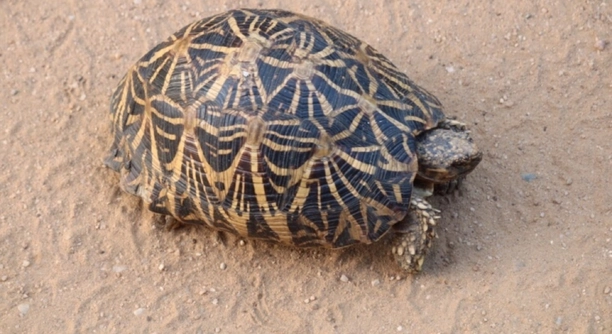
Turtles are fascinating creatures, often keeping their owners amused with their slow movements and unique behaviors. However, if your turtle is biting its own tail, it can be unsettling. Understanding why this happens is important.
Turtles may bite their own tails due to stress, boredom, or even an underlying health issue. It could also be a result of improper tank conditions, such as inadequate space or water quality. Identifying and addressing the cause is essential.
Understanding the cause of this behavior will help you take the necessary steps to ensure your turtle’s well-being and prevent further issues.
Common Reasons for Tail Biting in Turtles
Turtles may bite their own tails for several reasons, but stress is often the main factor. A stressed turtle may display abnormal behaviors like biting or repetitive movements. Stress can be caused by changes in their environment, such as loud noises, handling, or being in a new tank. Another reason could be boredom. Turtles, like other pets, need stimulation and enrichment. Without enough activity, they might engage in behaviors like tail-biting to entertain themselves. Poor water quality or an inadequate tank size can also contribute to stress and boredom, triggering this behavior.
Tank conditions are critical for turtle health. If the tank is too small, your turtle may feel confined, leading to stress. Likewise, poor water conditions, such as incorrect temperature, pH levels, or lack of filtration, can cause discomfort. These factors can make your turtle anxious or frustrated, leading to harmful behaviors like tail biting.
For a healthy and happy turtle, it’s essential to provide a proper habitat. Ensuring the tank has enough space, clean water, and an appropriate temperature can make a big difference. Additionally, adding hiding spots or objects for the turtle to explore can reduce boredom and stress.
Health Issues That May Lead to Tail Biting
Health problems are another reason why a turtle might bite its tail. Infections, parasites, or injuries could cause discomfort and lead to abnormal behavior. A common issue is shell rot, which can occur if the turtle’s shell becomes infected due to poor tank conditions. The discomfort from an infected shell can make the turtle engage in behaviors like tail biting. Additionally, if a turtle is suffering from a nutritional deficiency, they might become more prone to stress, further increasing the chances of tail biting. Proper care and attention to diet and habitat conditions are necessary to avoid such issues.
Ensuring your turtle has a balanced diet and good overall health is vital. If you suspect any underlying health issues, it’s best to consult a veterinarian who specializes in reptiles.
Addressing Stress and Boredom
Stress and boredom are common reasons for tail-biting. A stressed turtle may show signs like frantic swimming or constant biting. Boredom can lead to repetitive behaviors as turtles look for ways to entertain themselves. Providing proper space, a balanced diet, and hiding spots can help reduce these stressors.
A larger tank can provide more freedom, reducing feelings of confinement. Adding enrichment like rocks, plants, or climbing structures encourages natural behavior, distracting the turtle from biting its tail. Changing the tank environment regularly can also provide variety, keeping your turtle mentally stimulated and less likely to develop habits like tail-biting.
Regularly monitoring the water quality and temperature can help maintain a peaceful environment for your turtle. A clean and well-maintained tank with proper water parameters reduces stress and supports overall health. The more you focus on improving the turtle’s environment, the more likely the tail-biting behavior will stop.
Ensuring Proper Tank Conditions
Proper tank conditions are essential to preventing stress-related behaviors in turtles. A clean, well-filtered tank with proper temperature and lighting is key. Without the right conditions, turtles are more likely to become anxious or sick, leading to tail-biting or other signs of distress.
Maintain a consistent water temperature between 75°F and 80°F, as this is ideal for most turtle species. Additionally, ensure the tank has proper filtration to keep the water clean and free from harmful bacteria. If the tank is too small, your turtle may feel crowded, which could lead to more stress and abnormal behaviors like tail-biting. A 40-gallon tank or larger is recommended for most turtles.
Finally, avoid overcrowding the tank. A single turtle needs adequate space to thrive. If there are multiple turtles, make sure there is enough room for each one to have its own area for basking and swimming.
Observing Your Turtle’s Behavior
Watching your turtle’s behavior closely is essential to understanding why it may bite its tail. If you notice that the biting happens only when the turtle is stressed, it may indicate an issue with its environment. Keeping track of patterns can help address the problem.
Regularly observe how your turtle reacts to changes in its surroundings. If the behavior worsens during specific events, like tank cleaning or changes in lighting, those could be triggers for the stress. Identifying these patterns allows you to make adjustments in the tank setup to reduce the chances of tail-biting.
Proper Diet and Nutrition
A proper diet plays a significant role in your turtle’s overall health. If your turtle is lacking key nutrients, it might become stressed or weak, increasing the likelihood of abnormal behaviors like tail-biting. Offer a balanced diet with protein, leafy greens, and appropriate supplements.
Consider providing varied food options such as commercial turtle pellets, vegetables, and occasional live foods to meet nutritional needs. This not only helps keep the turtle healthy but can also reduce any frustration or discomfort caused by dietary deficiencies. Additionally, providing a calcium supplement can support shell health and overall well-being.
Keeping Your Turtle Physically Active
Physical activity is vital for your turtle’s health. A turtle that is not physically active may begin to engage in repetitive behaviors like tail-biting out of boredom. Providing enough space to swim, bask, and explore is key to preventing such habits.
Encourage natural behaviors by adding floating platforms or climbing logs that allow your turtle to move freely and exercise. These physical outlets provide both stimulation and space, helping your turtle stay physically and mentally healthy.
FAQ
Why is my turtle biting its tail?
Tail-biting in turtles is often linked to stress or boredom. Turtles may bite their tails when they feel confined or unable to escape their stressors. It could also be a sign of discomfort or frustration from a poor tank environment or lack of stimulation. Ensure your turtle’s habitat is appropriate in size and that water quality is properly maintained. If boredom is an issue, providing enrichment such as hiding spots or objects to explore can reduce this behavior.
Can poor water quality cause tail-biting in turtles?
Yes, poor water quality can stress your turtle and contribute to abnormal behaviors, including tail-biting. Turtles are sensitive to the temperature, pH level, and cleanliness of the water. If these conditions are not met, it can make your turtle feel uncomfortable, leading to stress and behavior issues. Regular water changes, proper filtration, and monitoring of water parameters are essential to maintaining a healthy environment.
How can I tell if my turtle is stressed?
Signs of stress in turtles include swimming in circles, hiding excessively, or exhibiting repetitive behaviors like tail-biting. If your turtle is stressed, it may also refuse to eat, bask excessively, or become more aggressive. Observing your turtle’s patterns and any changes in its behavior can help determine if stress is the cause.
Does tail-biting mean my turtle is sick?
Not necessarily. While tail-biting can sometimes be a sign of an underlying health problem, it is often a result of stress or boredom. However, if the behavior is accompanied by signs of illness such as lethargy, lack of appetite, or abnormal shell appearance, it is important to consult a veterinarian. A health issue, such as an infection or injury, may be contributing to the behavior.
What should I do if my turtle is constantly biting its tail?
If your turtle is consistently biting its tail, start by reviewing its environment. Ensure the tank is large enough and that water quality is properly maintained. Add enrichment, such as floating platforms or rocks, to reduce boredom. If the behavior continues despite these changes, consider consulting a veterinarian to rule out any underlying health problems.
Can a small tank cause tail-biting in turtles?
Yes, a small tank can cause stress and may lead to behaviors like tail-biting. Turtles need adequate space to swim and explore. A cramped environment can make them feel confined and anxious. Ideally, a tank should be at least 40 gallons for a single turtle, with plenty of room for movement and basking.
Is tail-biting a sign that my turtle is in pain?
While tail-biting can be a sign of distress, it is not always linked to pain. Turtles may bite their tails due to anxiety, frustration, or boredom. However, if the tail is damaged or the turtle shows signs of physical discomfort, such as swelling or redness, it may indicate injury or infection. In that case, seeking veterinary advice is recommended.
Can I stop my turtle from biting its tail?
Yes, you can help stop your turtle from biting its tail by addressing the root cause of the behavior. Start by improving its habitat, ensuring the water is clean, and providing adequate space. Adding enrichment can also help reduce boredom. If the problem persists, consulting a vet for advice may be necessary.
Are there any long-term effects of tail-biting in turtles?
If tail-biting becomes a chronic issue, it may lead to injury or infection. Repeated biting can cause damage to the tail, leading to open wounds or infections if not addressed. It’s important to monitor your turtle and address the behavior early to prevent long-term health problems.
What can I do to prevent my turtle from getting bored?
To prevent boredom, provide your turtle with various forms of enrichment. This can include plants, rocks, logs, or floating platforms for basking. Changing the tank layout occasionally and offering different textures or items to explore will keep your turtle engaged. Interaction, such as feeding time or supervised time outside the tank, can also help.
Can a lack of sunlight contribute to tail-biting?
Yes, insufficient sunlight can lead to stress in turtles. Turtles need UVB light to help them metabolize calcium and maintain overall health. Without proper UVB lighting, your turtle may experience health issues that increase stress, potentially leading to behaviors like tail-biting. Ensure your turtle has access to natural sunlight or a UVB lamp.
How often should I clean my turtle’s tank to prevent tail-biting?
You should clean your turtle’s tank regularly to maintain good water quality and reduce stress. Perform partial water changes weekly and clean the tank’s filtration system at least once a month. A clean tank will help keep the water conditions ideal and reduce any factors that could contribute to stress-related behaviors like tail-biting.
Could my turtle be biting its tail because it’s lonely?
Yes, turtles are social creatures, and some species may benefit from having tank mates. However, this can be tricky since not all turtles are compatible with each other. If your turtle seems lonely, consider whether adding another turtle or animal could help reduce its stress. Just ensure that both turtles have enough space and hideaways to avoid territorial disputes.
What if my turtle stops biting its tail but still seems stressed?
If your turtle stops biting its tail but still shows signs of stress, it’s important to continue monitoring its environment. Ensure that the tank size, water quality, and lighting are optimal. Stress can also come from external factors such as loud noises or environmental changes, so try to keep its surroundings calm and stable.
Is there a way to treat tail injuries caused by biting?
If your turtle injures its tail by biting, you should clean the area gently with warm, clean water and apply an antiseptic safe for reptiles. Keep the turtle in a clean, stress-free environment to promote healing. If the injury seems severe or infected, consult a veterinarian for further treatment.
Final Thoughts
Understanding why your turtle is biting its own tail is essential for ensuring its well-being. This behavior is often linked to stress or boredom, but it can also signal an underlying health issue. Identifying the cause of the behavior is the first step in addressing it. By making adjustments to the tank environment, water quality, and providing enrichment, you can reduce the chances of your turtle engaging in this behavior. It’s crucial to monitor your turtle closely and take note of any other changes in behavior, as this can help you catch any potential problems early.
When stress or boredom is the main cause, small changes in the turtle’s environment can make a big difference. Ensure the tank is large enough, with plenty of hiding spots and things to explore. Adding plants, rocks, or platforms can give your turtle a variety of textures to interact with, reducing the chance of tail-biting out of frustration. Regular maintenance of the water quality is equally important. Turtles are sensitive to water conditions, and poor water quality can cause them to feel uncomfortable or stressed, leading to abnormal behaviors.
If you’ve addressed environmental factors and your turtle continues to bite its tail, it may be time to consult a veterinarian. Persistent tail-biting can sometimes indicate an underlying health issue, such as an infection or injury. A vet can help diagnose any medical concerns and provide treatment if necessary. In most cases, with proper care, a clean tank, and the right environment, your turtle should be able to stop biting its tail and thrive. Remember, your turtle’s health and comfort are the top priorities, and making the necessary changes can lead to a happier, healthier pet.

Hello,
If you enjoy the content that we create, please consider saying a "Thank You!" by leaving a tip.
Every little bit helps us continue crafting quality advice that supports the health, happiness, and well-being of pets around the world, for pets of all shapes, sizes, and species.
We really appreciate the kindness and support that you show us!