
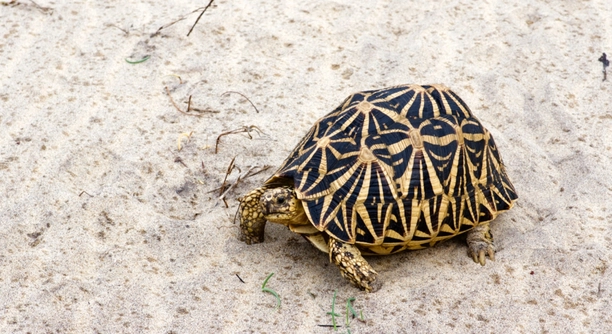
A clean environment is essential for the health of your turtle. However, it can be hard to tell when your turtle tank needs a water change. There are key signs to look out for that can help you determine the right time.
The most common indicators of a water change are poor water quality, excess waste, visible algae growth, and foul odors. Over time, toxins build up, making it crucial to change the water to maintain your turtle’s well-being.
By recognizing these signs early, you can keep your turtle’s environment healthy and prevent water-related issues from affecting their health.
How to Identify Poor Water Quality
Water quality plays a vital role in the health of your turtle. Cloudy water is one of the first signs that a change is needed. It can be caused by a buildup of waste or uneaten food. If your tank water appears murky, it’s essential to replace it promptly to avoid any potential harm to your turtle. Water quality issues can also lead to skin infections or respiratory problems, so maintaining clean water is crucial.
Testing the water for harmful substances like ammonia or nitrate is a good practice. These chemicals can accumulate quickly, especially in small tanks. A water testing kit can give you a precise reading, helping you determine if a water change is necessary.
Make sure to regularly inspect the tank to prevent any long-term issues. Monitoring the water quality will also help you catch any imbalances before they become serious problems.
The Impact of Excess Waste
Excess waste in the tank can contribute to poor water quality. When your turtle produces waste, it can quickly decay, releasing toxins into the water. Uneaten food and old filter media can also contribute to waste buildup. Keeping your tank clean is essential for both the health of your turtle and the clarity of the water.
Regular water changes will help keep waste levels low. It’s also a good idea to clean the substrate and filter media regularly. By doing this, you reduce the chances of waste accumulating and ensure your turtle stays in a healthy environment. Keeping an eye on waste levels can prevent more serious water issues down the line.
Visible Algae Growth
Algae growth in your turtle tank is another sign that a water change is needed. Algae thrives in water that contains excess nutrients, often from uneaten food or waste. When algae starts to form on the tank walls, it is a clear indication of an imbalance in the water.
Algae growth not only makes the tank look dirty but can also affect your turtle’s health. Algae consumes oxygen in the water, which can reduce the oxygen available for your turtle to breathe. This can be especially problematic in smaller tanks. Regularly cleaning the tank and removing any algae build-up is essential for maintaining a healthy environment.
To minimize algae growth, consider using a UV sterilizer or adjusting the tank’s lighting. Reducing the amount of food you feed your turtle can also help keep algae at bay, as excess food can contribute to nutrient imbalances.
Foul Odors
Foul odors in your turtle tank are a strong signal that the water needs to be changed. A bad smell typically results from decaying organic matter, such as leftover food or waste. This smell is often a sign that toxins are building up in the water.
If you notice any strong or unpleasant odors, it’s time for a water change. A strong smell not only indicates poor water quality but can also lead to long-term health issues for your turtle. Bacteria and other harmful microorganisms thrive in dirty water, making the environment unhealthy for your pet. Cleaning the tank regularly and removing organic material will help prevent odors from becoming an issue.
To maintain fresh-smelling water, ensure that the tank’s filtration system is working correctly and replace any outdated filter media. Regular water changes are key to keeping the environment clean and odor-free.
Excessive Tank Size and Overcrowding
If your turtle tank is too small or overcrowded, the water can quickly become polluted. Larger tanks with adequate filtration are better at maintaining water quality. However, if your turtle has outgrown its tank, a water change is necessary to manage the extra waste.
Overcrowding also increases the amount of waste in the water, making it harder for the filtration system to keep up. If you have multiple turtles or tank mates, consider increasing the size of the tank or adding extra filters. This will ensure that the water stays cleaner for longer, reducing the need for frequent changes.
Keep in mind that turtles are messy creatures, and ensuring enough space in the tank is essential for maintaining proper water quality. If overcrowding is an issue, it may be worth relocating some of the tankmates to avoid stressing the filtration system.
Unstable Water Temperature
Water temperature plays an important role in maintaining a healthy tank environment. When the temperature fluctuates too much, it can stress your turtle and disrupt the balance of the tank. Turtles thrive in stable conditions, and an unstable temperature can lead to an increase in waste production and bacteria growth.
To avoid this issue, always monitor the water temperature with a reliable thermometer and use a heater to maintain consistency. If the water temperature drops or rises too quickly, it could signal a problem with the heater or water flow, both of which need to be addressed.
By maintaining a stable temperature, you help ensure the water remains clear, fresh, and safe for your turtle. Regularly check the water temperature to prevent any unwanted changes that could impact your turtle’s health.
Filter Maintenance
Maintaining the filter in your turtle tank is essential for clean water. Filters help remove debris, waste, and toxins, but they can only work effectively if they are properly cleaned and maintained. A clogged or inefficient filter will not be able to do its job, causing water quality to deteriorate.
Regularly cleaning and replacing filter media will ensure that your filter continues to operate at peak performance. Be sure to follow the manufacturer’s recommendations for cleaning schedules and media replacement. Neglecting filter maintenance is a common cause of poor water quality in turtle tanks.
A clean filter means cleaner water, less waste, and a healthier environment for your turtle. Make filter maintenance a routine part of tank care to prevent problems before they arise.
FAQ
How often should I change the water in my turtle tank?
It is recommended to change the water in your turtle tank at least once every week or two, depending on the tank size, the number of turtles, and the water quality. If your tank is smaller or overcrowded, you may need to change the water more frequently. Regular water changes help prevent the buildup of harmful waste and maintain a healthy environment for your turtle. Always keep an eye on water clarity, odor, and your turtle’s behavior as additional signs it’s time for a change.
What is the best way to clean my turtle tank?
The best way to clean your turtle tank is to first remove your turtle and place it in a safe container. Then, remove any uneaten food and debris from the substrate and decorations. Use a sponge or a soft brush to clean the walls of the tank, and be sure to rinse the filter media in water removed from the tank, not tap water, to preserve beneficial bacteria. Once the tank is cleaned, refill it with dechlorinated water to avoid chlorine harming your turtle.
Can I use tap water for my turtle tank?
While you can use tap water for your turtle tank, it’s important to treat it before adding it to the tank. Tap water often contains chlorine and chloramine, which can harm your turtle’s health. Use a dechlorinator to neutralize these chemicals, ensuring the water is safe. If you live in an area with high levels of minerals or pollutants, consider using a water filter to improve the water quality.
Why is my turtle tank still dirty after a water change?
If your turtle tank is still dirty after a water change, it may be due to several reasons. The tank could be too small for the number of turtles you have, leading to rapid waste buildup. The filter may not be powerful enough for your tank size or may be clogged. Another reason could be that your tank needs more frequent cleaning, or you may not be removing enough waste and debris before changing the water.
Can I use a regular aquarium filter for my turtle tank?
Turtles produce a lot of waste, so it’s important to use a filter specifically designed for turtle tanks. While regular aquarium filters may work, they often cannot handle the high levels of waste produced by turtles. Choose a filter rated for turtle tanks or one that can process more water than the volume of your tank. Additionally, ensure that the filter is cleaned regularly to maintain its effectiveness.
How do I know if the water quality is good for my turtle?
Good water quality is crucial for your turtle’s health. If the water is clear and odor-free, that’s a good sign. You can also test the water for ammonia, nitrate, and nitrite levels using a water testing kit. These chemicals should be at safe levels to prevent harm to your turtle. Ammonia and nitrite should be at zero, while nitrate should be below 40 ppm. Consistently poor water quality is a sign that more frequent water changes or better filtration is needed.
Should I add a heater to my turtle tank?
Yes, adding a heater to your turtle tank is essential if you live in a region where water temperatures fluctuate. Turtles require a specific temperature range to stay healthy. Most aquatic turtles need water temperatures between 75°F and 85°F (24°C and 29°C), and a heater will help maintain that. Make sure to use a reliable aquarium heater and monitor the water temperature regularly to avoid overheating or underheating.
Why is my turtle tank producing so much algae?
Excess algae growth in your turtle tank can be caused by a number of factors, such as too much light, an excess of nutrients in the water, or infrequent water changes. Algae thrive in environments where there is an abundance of food, like uneaten food or waste. To prevent algae growth, reduce the amount of light your tank gets, clean the tank regularly, and remove excess food and waste. You can also use algae-eating fish or snails to help keep algae in check.
Can I use sand as substrate for my turtle tank?
Sand can be used as a substrate for a turtle tank, but it’s not always the best choice. Fine sand can be difficult to clean and may cause issues if your turtle ingests it. Coarse sand or gravel is safer and easier to clean, while also helping to prevent ingestion. If you choose sand, be sure to clean it thoroughly during water changes to avoid waste buildup and reduce bacteria growth.
What should I do if my turtle is not moving after a water change?
If your turtle is not moving after a water change, it could be stressed from the change in its environment. Ensure that the water temperature is stable and within the appropriate range. If the water quality is good and the tank is clean, monitor your turtle closely for any signs of illness. Stress can cause turtles to become lethargic, so give your turtle time to adjust to its environment. If the behavior continues, consider consulting a vet.
Final Thoughts
Maintaining a clean and healthy turtle tank is essential for your pet’s well-being. Regular water changes, proper filtration, and attention to water temperature can make a significant difference in the quality of the environment. By monitoring the tank conditions and responding promptly to any issues, you can ensure your turtle thrives in its habitat. A little effort in routine care can help prevent major problems and keep the tank environment stable.
The process may seem overwhelming at first, but once you get into a routine, it becomes more manageable. Consistent tank maintenance, such as cleaning the tank and testing water quality, ensures your turtle has a comfortable and safe space. Remember that turtles are messy creatures, and their water quality requires regular attention. Whether it’s the water’s clarity or the state of the filter, staying on top of these tasks will save you time and effort in the long run.
Ultimately, keeping a turtle tank clean is about creating a healthy environment. With the right tools, such as a good filter and proper water treatment, you can significantly reduce the effort needed to maintain the tank. You’ll also reduce the risk of illness and other health problems for your turtle. By learning the signs of when a water change is necessary and taking preventive measures, you can ensure that your turtle enjoys a long, healthy life in its tank.

Hello,
If you enjoy the content that we create, please consider saying a "Thank You!" by leaving a tip.
Every little bit helps us continue crafting quality advice that supports the health, happiness, and well-being of pets around the world, for pets of all shapes, sizes, and species.
We really appreciate the kindness and support that you show us!