
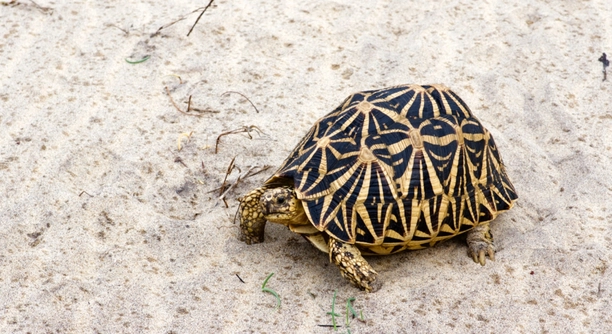
Turtles can make strange noises, leaving many pet owners puzzled. These sounds may seem unusual, but they often indicate something specific about your turtle’s behavior or health. Understanding the cause can help you better care for your pet.
Turtles make noises due to various reasons, including stress, communication, or respiratory issues. A turtle may hiss, grunt, or click, depending on the situation. Recognizing these sounds can help determine whether the noise is harmless or requires further attention.
There are a few factors to consider when addressing your turtle’s strange noises. Knowing when and why these sounds occur can guide you in making the right decisions for your turtle’s well-being.
Understanding Turtle Sounds
Turtles may make different sounds for a variety of reasons. Some of these noises are completely normal, while others may indicate a potential health issue. The most common sound a turtle makes is a hiss, often heard when it is frightened or stressed. Turtles may also grunt or chirp, especially when they feel threatened or when communicating with other turtles. These sounds are part of their natural behavior. However, if the sounds become persistent or change in tone, it might suggest an underlying problem. Respiratory infections can also cause wheezing or clicking sounds, which require immediate attention. It’s important to listen carefully and observe the context of the noise to determine if it’s a normal response or something that needs addressing.
If you notice a turtle hissing or grunting, it is generally not a cause for alarm. It is often a response to stress, especially in new environments. However, respiratory sounds should be monitored closely, as they can signal health concerns.
Many factors contribute to the sounds your turtle makes. Stress, discomfort, or physical illness can all play a role. Taking time to observe your turtle’s behavior and health can help identify the cause. If the sounds are frequent or unusual, consulting a vet is a good idea to ensure proper care and treatment.
Common Causes of Turtle Noises
Turtles may produce sounds as a reaction to stress. Environmental changes, such as moving the turtle to a new enclosure, can lead to hissing or vocalizations. The noise is a natural response to unfamiliar surroundings.
It’s also worth considering your turtle’s interactions with others. Turtles are solitary creatures, and they can make noise when feeling crowded or in conflict with tank mates. These sounds, such as hissing or aggressive grunts, can often be tied to territorial behavior. Providing ample space and hiding spots can reduce stress. Additionally, turtles communicate through body language, and sounds may be part of their natural way of conveying discomfort or unease. Proper tank conditions, including water quality, temperature, and lighting, are crucial to maintaining a turtle’s comfort. Any changes in these factors could also trigger unwanted noises.
If your turtle makes strange noises when handled or when someone approaches its tank, it could indicate a need for more space or a need to feel more secure. Identifying stress triggers will ensure your turtle feels safe and at ease.
Respiratory Issues and Noises
If your turtle is making wheezing or clicking sounds, it could be a sign of a respiratory infection. These infections are common in turtles and often result from poor tank conditions, such as dirty water or improper temperatures. Watch for other signs like nasal discharge or lethargy.
Respiratory infections can be serious, especially if not addressed early. If left untreated, these issues can lead to further complications, including pneumonia. It’s important to maintain clean water, proper heating, and UV light to prevent such infections. If you notice consistent respiratory sounds, it’s best to consult a vet. They can diagnose the issue and recommend treatment. Immediate action is crucial to avoid long-term health problems.
Turtles with respiratory infections may exhibit signs of discomfort when breathing. You may see them open their mouths widely or have difficulty breathing normally. If you notice these symptoms, you should seek veterinary care quickly. Prompt attention can improve the chances of a successful recovery and prevent further complications.
Stress-Induced Noises
Stress is a major cause of unusual sounds in turtles. Changes in their environment, such as new tank mates or moving to a new space, can trigger stress. Turtles may vocalize by hissing or grunting to express their discomfort.
To reduce stress, make sure your turtle’s environment is stable. Provide them with a well-maintained tank, a consistent temperature, and plenty of hiding spots. Avoid frequent handling and limit noise around their enclosure. Additionally, ensure that any changes to their habitat are made gradually. Stress can also be caused by overexposure to light or incorrect water conditions. A well-cared-for turtle is less likely to make stressful sounds.
Addressing these stressors will help minimize the sounds your turtle makes. A secure and calm environment is key to their well-being.
Tank Conditions and Noises
Poor tank conditions can contribute to abnormal sounds. Dirty water, inadequate filtration, and incorrect temperatures can stress your turtle, leading to hissing or grunting. Regular water changes and checking the temperature can help keep your turtle comfortable.
Turtles are sensitive to changes in their environment. The water temperature should be consistent, typically between 75°F and 85°F, while the basking area should be around 90°F to 95°F. Filtration is crucial for maintaining clean water. If your turtle is exposed to improper conditions, it may become stressed, leading to vocalizations. Always monitor these factors to ensure a healthy habitat.
Behavior and Communication
Turtles may make sounds to communicate with other turtles. They are territorial animals and may use vocalizations to express dominance or warn others. These sounds, such as growls or hisses, can be a sign of competition for space.
Understanding turtle behavior is essential. They often make these noises during mating season or when other turtles are too close. In some cases, these sounds are just part of their natural communication. If multiple turtles are housed together, ensure there is enough space to minimize conflict. Also, be aware of their body language, which plays a key role in their communication.
Overexertion and Straining
If your turtle is making unusual noises after physical exertion, it could be a sign of overexertion or straining. Turtles may grunt or make a wheezing sound when they are trying too hard to move or swim.
Make sure your turtle’s tank is large enough for them to move freely. A lack of space can cause physical strain, especially if the turtle is trying to climb or swim in confined areas. If you observe these noises after attempts to escape or excessive swimming, it could indicate that they are under stress. A properly sized habitat will allow your turtle to stay active without straining themselves.
FAQ
Why is my turtle making a hissing sound?
A hissing sound is typically made when a turtle is startled, frightened, or feels threatened. It can also occur when they are in an unfamiliar environment or are being handled too much. This sound is a way for the turtle to communicate discomfort or stress. If your turtle is making this noise consistently, check its habitat for potential stressors, such as changes in tank mates or environmental conditions. Make sure the water quality, temperature, and lighting are all within the appropriate range.
Is it normal for my turtle to grunt?
Turtles may grunt when they are feeling discomfort or are in distress. This noise could indicate that the turtle is trying to express frustration, stress, or physical discomfort. It may also occur if they are interacting with other turtles or animals. Sometimes, a grunt could be a response to a new or unfamiliar situation, such as a change in habitat. If the grunting persists, it’s important to evaluate the turtle’s living conditions and consult with a veterinarian if necessary.
What could cause my turtle to make a wheezing sound?
A wheezing sound from a turtle is often a sign of a respiratory infection. Respiratory issues are common in turtles, particularly when their tank conditions are not optimal. If you hear wheezing, along with other symptoms like nasal discharge or lethargy, the turtle may have an infection that requires medical attention. Ensure the water temperature is correct and that the tank is kept clean. A vet will need to treat respiratory infections with antibiotics, and early intervention can prevent further health issues.
How can I tell if my turtle is stressed from its noises?
If your turtle is making noises like hissing, grunting, or squealing, it may be stressed. Stress can be caused by environmental changes, improper tank conditions, overcrowding, or excessive handling. Look for other signs of stress, such as changes in behavior, refusal to eat, or attempting to escape from the tank. Reducing stress involves providing a stable environment, proper tank setup, and avoiding unnecessary handling. Make sure there are hiding spots for the turtle to retreat to, and keep the environment consistent.
Are loud noises from my turtle something to worry about?
Loud noises can indicate stress, discomfort, or a health issue, such as respiratory problems. If the noises are sudden, persistent, or accompanied by other signs like lethargy or changes in appetite, it’s important to assess the situation. Sometimes, loud noises are simply a result of environmental changes or interactions with other turtles. However, if the sounds are unusual or constant, it is wise to consult a veterinarian to rule out any medical conditions, especially if the noise is associated with breathing difficulties.
Can changes in the tank environment cause my turtle to make noise?
Yes, changes in the tank environment can definitely trigger vocalizations from a turtle. If the water quality changes, the temperature fluctuates, or there are new tank mates, the turtle may become stressed and make sounds like hissing or grunting. Turtles are creatures of habit, and any significant change in their environment can upset them. To prevent this, it’s important to make gradual changes and ensure that all elements of the tank, such as the water temperature and filter, are functioning correctly.
How do I prevent my turtle from making stress-related noises?
To prevent stress-related noises, ensure that your turtle’s environment is stable. This includes keeping the water clean, maintaining the right temperature, and providing enough space for your turtle to move around. Avoid overcrowding, and ensure that tank mates are compatible. Turtles need a place to hide, so include areas where they can retreat and feel safe. Reducing excessive handling and limiting disruptions around their enclosure will also help to minimize stress and associated sounds.
Is there a way to calm my turtle down if it is making noise?
If your turtle is making noise due to stress, the best way to calm it down is by addressing the cause of its discomfort. Check the water quality, temperature, and lighting to ensure that the tank is ideal for your turtle. Provide hiding spots and try not to handle the turtle too much, as this can be stressful for it. Reducing the noise and activity around the tank can also help. If the turtle is still making noise despite these adjustments, it may be time to consult a veterinarian to rule out any health problems.
Can a respiratory infection cause my turtle to make more noise?
Yes, a respiratory infection is a common cause of increased noise in turtles. If a turtle is wheezing, clicking, or making any other abnormal respiratory noises, it could be a sign of an infection. This is often accompanied by other symptoms like nasal discharge, difficulty breathing, or lethargy. A respiratory infection can be serious and requires prompt attention from a veterinarian. Treatment often involves antibiotics, and improving the tank conditions, such as ensuring the water is clean and maintaining proper temperatures, will help in recovery.
What should I do if my turtle’s noise is continuous?
If your turtle’s noise is continuous, it’s important to evaluate its living conditions and overall health. Persistent noise can indicate stress or a medical issue, such as a respiratory infection. Check if the tank is too small, if there are too many tank mates, or if there are any other stressors in its environment. If you notice additional symptoms like lethargy, loss of appetite, or breathing difficulties, it’s important to consult a vet. A veterinarian can assess the situation and provide the necessary treatment if the noise is linked to an underlying health condition.
Final Thoughts
Understanding the noises your turtle makes can be a helpful step in ensuring its well-being. While some sounds, like hissing or grunting, can be a sign of stress or discomfort, they don’t always mean something is seriously wrong. It’s essential to observe your turtle’s behavior and environment carefully. If the sounds seem out of the ordinary or persist, it could indicate a need for change, whether it be a more suitable habitat, a health concern, or just a reaction to stress. Paying attention to the overall environment and the turtle’s behavior will help you determine what adjustments may be necessary.
When your turtle makes noises, it’s important to consider factors such as tank conditions, tank mates, and any potential illnesses. Ensuring that the water temperature is stable, the tank is clean, and that the turtle has enough space to move around can prevent many issues. If your turtle is housed with other turtles, be mindful of territorial behavior and overcrowding. Turtles are sensitive creatures, and changes in their environment can have a significant impact. If the noises seem to be related to health issues, such as wheezing or clicking sounds, it’s best to seek veterinary advice to rule out infections or other conditions.
Ultimately, a quiet and happy turtle is usually a sign of a healthy one. Regularly monitoring the tank conditions, maintaining a clean and safe environment, and minimizing stress are key factors in promoting your turtle’s overall health. If the noises persist, don’t hesitate to make adjustments or consult a professional. Taking proactive steps to address the underlying cause of any strange sounds will ensure your turtle leads a comfortable and healthy life.

Hello,
If you enjoy the content that we create, please consider saying a "Thank You!" by leaving a tip.
Every little bit helps us continue crafting quality advice that supports the health, happiness, and well-being of pets around the world, for pets of all shapes, sizes, and species.
We really appreciate the kindness and support that you show us!