
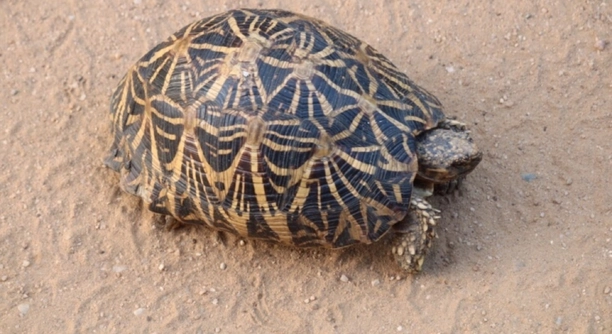
Turtles are fascinating creatures, and observing their behavior can be both fun and educational. If you’ve noticed your turtle constantly scratching itself, there could be various reasons behind it. This article explores some of those causes.
Turtles may scratch themselves for a variety of reasons, including skin shedding, parasites, or environmental factors such as water quality. Identifying the cause is crucial for ensuring your turtle’s health and comfort. Proper care and maintenance of their environment can help alleviate scratching.
Understanding these factors will allow you to improve your turtle’s living conditions and ensure they remain happy and healthy.
Common Causes of Scratching
When a turtle scratches itself, one of the most common reasons could be skin shedding. As reptiles, turtles shed their skin regularly to grow. The process can cause discomfort, leading to scratching. It’s important to note that this is a normal behavior, and it usually doesn’t indicate a health issue. However, excessive scratching can sometimes point to other underlying problems. If your turtle is scratching a lot, it could be a sign of something more serious, such as a skin infection or irritation from improper conditions.
Sometimes, the scratching may be related to environmental factors. If your turtle’s habitat isn’t clean enough, or if the water temperature isn’t regulated properly, they might scratch more than usual. These factors can affect their overall health and cause skin irritation. Keeping their environment clean and within the right parameters will reduce scratching and improve their comfort.
Make sure to inspect your turtle’s environment regularly. Proper water filtration, temperature control, and habitat maintenance are essential for keeping your turtle comfortable and healthy.
External Parasites
Another reason your turtle may be scratching could be due to external parasites. These are tiny organisms, such as mites or ticks, that can attach themselves to your turtle’s skin. They can cause itching and discomfort, prompting your turtle to scratch excessively. If you notice small black specks or bumps on your turtle’s skin, it might be a sign of parasites.
Parasites can be dangerous, so it’s crucial to treat your turtle promptly. You may need to consult with a veterinarian to determine the best course of action. Most treatments involve applying a medicated solution to your turtle’s skin or bathing it in a special solution to remove the parasites. If left untreated, parasites can lead to serious health issues, so addressing the problem early is key to ensuring your turtle stays healthy.
Ensure that your turtle is housed in a clean, parasite-free environment to prevent these issues. Regular checks and proper care will help avoid future infestations.
Skin Infections
A skin infection can lead to excessive scratching in turtles. Bacteria or fungi can cause irritation, redness, or swelling. This is often a result of poor living conditions or injury. If the scratching seems severe and persistent, an infection could be the cause.
Infected turtles may also show signs like a loss of appetite, lethargy, or visible lesions on their skin. The infection could spread quickly if not addressed. To prevent this, ensure your turtle’s environment is clean, and their skin stays dry. Clean water, proper lighting, and hygiene can prevent bacterial or fungal growth.
If you suspect an infection, consult a veterinarian immediately. The treatment will depend on the type of infection and severity. Keeping the turtle’s habitat sanitized and dry will reduce the risk of further infections. Regular checks for any changes in their skin or behavior can help detect issues early.
Water Quality Issues
Water quality is crucial for a turtle’s health. Poor water conditions, such as high levels of ammonia or improper pH, can cause skin irritation and lead to scratching. Water that is too dirty can harbor bacteria and parasites, making it harder for your turtle to stay healthy. Scratching is a sign that something might be wrong with the water.
Regularly test the water and ensure it stays clean. Water changes should be frequent, and a quality filtration system will help keep the environment safe for your turtle. If the water is murky, it can stress the turtle and lead to health issues. Also, make sure the water temperature is stable. Too hot or too cold can cause discomfort and lead to scratching.
Keeping water quality in check is one of the simplest ways to prevent scratching and other health problems. Monitoring water conditions regularly and maintaining a proper filtration system will reduce the chances of skin issues caused by poor water quality.
Dry Skin
Dry skin is another reason your turtle may be scratching. If the humidity in the enclosure is too low, the skin may become dry and flaky, leading to irritation. This dryness can cause discomfort and make the turtle scratch.
A common solution is to increase the humidity in the turtle’s habitat. Adding a humidity box or misting the enclosure regularly can help. Ensuring the turtle has access to water for soaking is important for maintaining moisture in their skin. A consistent, controlled environment will help keep your turtle’s skin healthy and prevent excessive scratching.
Overcrowding in the Habitat
Overcrowding in the turtle’s enclosure can cause stress and lead to scratching. When too many turtles share a space, they may compete for resources, such as food and basking spots. This can create a stressful environment that triggers scratching and other behaviors.
To prevent this, ensure the habitat has enough space for all your turtles. Overcrowding can also lead to territorial disputes, which might cause physical injuries. If you have multiple turtles, it’s essential to provide enough hiding places and basking spots for each one. Maintaining a peaceful environment will help reduce stress and its associated behaviors, like scratching.
Unbalanced Diet
An unbalanced diet can contribute to your turtle’s scratching. If your turtle is not getting the right nutrients, it may develop skin issues that cause discomfort. Deficiencies in vitamins or minerals can affect skin health, leading to irritation.
Offer a varied diet that includes high-quality turtle food, vegetables, and protein sources. Ensuring that your turtle gets the right nutrients can help maintain healthy skin and reduce the likelihood of scratching. A proper diet supports overall health and can prevent deficiencies that could lead to uncomfortable skin conditions.
FAQ
What should I do if my turtle is scratching constantly?
If your turtle is scratching frequently, first inspect its environment. Check for any obvious irritants such as dirty water, improper temperature, or inadequate humidity. Make sure the turtle’s living space is clean, with filtered water and a stable temperature. If the scratching persists, it’s best to consult a veterinarian. They can check for infections, parasites, or other health concerns. Proper care and regular checks will help keep your turtle healthy and comfortable.
How can I prevent my turtle from scratching?
To prevent scratching, ensure that your turtle’s habitat is well-maintained. Regularly clean the tank, replace the water, and use a high-quality filtration system. Adjust the humidity and temperature to meet the turtle’s needs. Avoid overcrowding, as this can cause stress. Offering a balanced diet and providing plenty of space for your turtle to roam will also help reduce scratching and other stress-related behaviors.
Could scratching be a sign of a more serious health problem?
Yes, excessive scratching can sometimes indicate a more serious issue. If the turtle is scratching more than usual, especially if you notice skin lesions or a lack of appetite, there could be an underlying health problem. Skin infections, external parasites, or even internal health issues can cause discomfort. If in doubt, it’s always safest to consult a veterinarian to ensure your turtle’s health.
Can I treat a turtle’s skin infection at home?
It’s important to approach skin infections with caution. While minor irritations may heal on their own, more severe infections require professional care. If you suspect a skin infection, consult a veterinarian. They can provide the right treatment, which may include topical antibiotics or antifungal solutions. Trying to treat an infection at home without professional guidance could worsen the condition.
What are the signs of parasites in turtles?
Parasites such as mites, ticks, or worms can cause a turtle to scratch excessively. You might notice tiny black spots on the skin or shell, abnormal shedding, or bumps. Turtles with parasites may also appear lethargic or lose their appetite. If you suspect parasites, take your turtle to a vet for diagnosis and treatment. Parasite infestations can cause serious health issues, so addressing the problem quickly is crucial.
How do I improve water quality for my turtle?
Maintaining clean water is essential for your turtle’s health. Regularly test the water’s pH, ammonia, nitrite, and nitrate levels. A high-quality filter is necessary to keep the water clean and free from harmful bacteria. Perform partial water changes every week to remove waste and maintain proper water conditions. Ensure the water temperature is kept stable, as sudden fluctuations can cause stress.
Why is my turtle scratching even though the water is clean?
Even if the water is clean, there could still be other factors contributing to scratching. Make sure the water temperature and humidity levels are appropriate for your turtle’s species. Check for potential skin infections or parasites, which can still occur in clean water. Additionally, dry skin, stress, or an unbalanced diet could lead to scratching despite the water’s cleanliness.
Can temperature affect my turtle’s scratching behavior?
Yes, improper temperatures can affect a turtle’s health and behavior. Turtles are cold-blooded and rely on their environment to regulate their body temperature. If the water is too cold or too hot, it can cause stress and discomfort, leading to scratching. Ensure that your turtle’s tank is equipped with a heating source to maintain the ideal temperature for your specific turtle species.
How often should I clean my turtle’s tank to prevent scratching?
Regular tank maintenance is crucial for your turtle’s comfort. Clean the tank thoroughly every few weeks to remove waste and algae buildup. In between deep cleanings, perform partial water changes weekly. Remove any debris, uneaten food, and waste promptly. Keeping the tank clean will help prevent skin issues that could lead to scratching.
What should I feed my turtle to prevent scratching?
A balanced diet plays a key role in your turtle’s overall health, including its skin condition. Provide a mix of high-quality commercial turtle food, fresh vegetables, and protein sources like insects or fish. Make sure your turtle is getting all the necessary vitamins and minerals to keep its skin healthy and prevent scratching caused by nutritional deficiencies.
Is it normal for my turtle to scratch after shedding its skin?
It’s normal for a turtle to scratch during the shedding process. As they grow, turtles shed their outer skin, which can cause temporary itching or irritation. This usually isn’t a cause for concern. However, if the scratching persists or is accompanied by other symptoms like swelling or sores, it might indicate a different issue.
Should I take my turtle to the vet if I notice scratching?
If your turtle’s scratching seems excessive or is accompanied by other symptoms like swelling, lesions, or a decrease in appetite, it’s best to consult a veterinarian. A vet can help determine the cause and offer treatment options. Regular checkups are also a good idea to ensure your turtle is healthy and free from infections or parasites.
Can stress cause my turtle to scratch?
Yes, stress can lead to scratching in turtles. Factors such as overcrowding, an improper diet, or insufficient basking areas can cause stress. When turtles are stressed, they may exhibit behaviors like scratching or hiding more often. To reduce stress, ensure your turtle’s habitat is spacious, well-maintained, and tailored to their needs.
Final Thoughts
Turtles scratching themselves is a common behavior, but it can be caused by several factors. Sometimes it’s simply a natural process like shedding, but other times it might indicate issues such as dry skin, parasites, or stress. Ensuring that your turtle’s environment is clean and properly maintained is key. The temperature, humidity, and water quality all play important roles in preventing discomfort. A well-kept tank with enough space and hiding spots will also help reduce stress, which can lead to excessive scratching.
Proper diet and hydration are also critical to your turtle’s health. Providing a balanced diet with the right nutrients supports healthy skin and helps prevent irritation. Turtles also need access to clean water for soaking, which is important for their skin health. Regularly checking their skin for signs of infection or parasites can catch problems early before they become serious. It’s always a good idea to observe your turtle’s behavior and take note of any changes, as it can provide clues to what might be causing the scratching.
If your turtle’s scratching continues despite your best efforts, consulting a veterinarian is always a wise choice. A vet can identify any underlying health problems and recommend appropriate treatments. It’s important not to ignore persistent scratching, as it could indicate something more serious. With the right care and attention, your turtle can live a long, healthy life, free from discomfort. Maintaining a consistent routine for cleaning, feeding, and monitoring their well-being will ensure they thrive in their environment.

Hello,
If you enjoy the content that we create, please consider saying a "Thank You!" by leaving a tip.
Every little bit helps us continue crafting quality advice that supports the health, happiness, and well-being of pets around the world, for pets of all shapes, sizes, and species.
We really appreciate the kindness and support that you show us!