
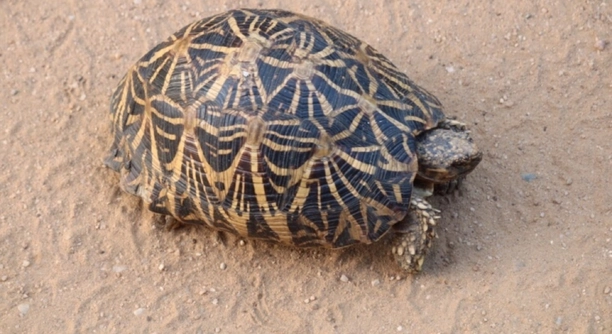
Turtles are fascinating creatures that can often leave us wondering about their unique behaviors. One common concern is when your turtle repeatedly rubs its eyes. Understanding this behavior can help you ensure your turtle’s well-being.
The main reason your turtle might be rubbing its eyes is irritation caused by an infection, dry environment, or foreign objects. Ensuring your turtle’s habitat is clean, with proper humidity and water quality, can help prevent such discomfort.
Learning about eye health and environmental factors will help you keep your turtle comfortable and thriving. Let’s explore possible causes and solutions for this behavior.
Possible Causes for Eye Rubbing
Turtles are sensitive creatures, and eye rubbing can often signal an underlying issue. One common cause is eye irritation, which can occur if debris or dirt gets trapped in the eyes. This can lead to discomfort, causing your turtle to rub or scratch its eyes repeatedly. Additionally, water quality is crucial for eye health. Dirty or unfiltered water can introduce bacteria or irritants, which can cause eye infections or other issues. Another factor is the humidity in the enclosure. If the environment is too dry, it can lead to dehydration, which can affect the eyes.
Turtles may also rub their eyes to relieve discomfort caused by a dry or overly warm tank. This is why maintaining the right humidity and water conditions is so important for their health.
If your turtle’s behavior persists, it’s crucial to evaluate its habitat. Proper tank cleaning, water filtration, and ensuring the right humidity levels can often solve the issue. You may need to adjust these conditions to create a more comfortable living environment for your turtle.
Infections and Other Health Concerns
Eye rubbing can also indicate an infection or other health problem. If your turtle has swollen, watery, or cloudy eyes, this could suggest an eye infection or respiratory issue. Turtles are susceptible to various bacteria, fungi, and parasites that can cause irritation or infection in their eyes. Infections can arise from poor water quality or contact with infected turtles. In such cases, antibiotics or other treatments may be necessary to address the issue. If you notice any unusual discharge, redness, or swelling around your turtle’s eyes, it’s essential to consult a veterinarian for a proper diagnosis and treatment.
Addressing the health concern promptly will help your turtle recover quickly and return to its normal behavior. Early detection is key to preventing the issue from worsening. Taking your turtle to the vet ensures it receives the appropriate care to avoid further complications.
Environmental Factors Affecting Eye Health
A turtle’s environment plays a significant role in its eye health. Dry conditions can lead to eye irritation, making your turtle rub its eyes frequently. Proper humidity levels and water quality are essential to keep your turtle comfortable. Ensuring the tank is clean and at the right temperature is crucial for overall health.
Water quality is one of the most important factors. Contaminated or unfiltered water can introduce harmful bacteria, leading to infections. A well-maintained filtration system can prevent the buildup of harmful substances. Also, avoid placing your turtle in direct sunlight for extended periods, as this can dry out its eyes and skin.
Ensuring the tank has proper humidity can also help maintain your turtle’s eye health. If the air is too dry, it can cause discomfort in the eyes. Adding a humidity gauge and misting the tank occasionally can help regulate the moisture in the air.
Dehydration and Eye Rubbing
Dehydration can lead to dry eyes and cause your turtle to rub them. A lack of access to fresh water or an imbalanced diet can contribute to dehydration. Turtles need access to clean, fresh water at all times to stay hydrated. If their water supply is inadequate, it can cause dry eyes and overall discomfort.
In some cases, dehydration can lead to other health issues such as lethargy or loss of appetite. To ensure your turtle remains hydrated, offer a proper diet that includes hydrating foods like leafy greens and aquatic plants. If dehydration is suspected, providing a water dish or soaking the turtle in warm, shallow water for a few minutes can help.
Regularly monitoring your turtle’s water intake and humidity levels can prevent dehydration from becoming a recurring issue. Keeping track of these factors will ensure your turtle’s eyes stay healthy, and overall well-being is maintained.
Foreign Objects in the Eyes
Turtles are curious creatures and might rub their eyes if something gets lodged in them. Small debris like sand, dirt, or leaves can irritate their eyes. The action of rubbing helps them try to dislodge anything foreign that’s causing discomfort.
If you notice your turtle rubbing its eyes more frequently, it’s important to check its environment for any potential hazards. Debris from decorations, rocks, or plants can get caught in the eyes and cause irritation. You can gently rinse the turtle’s eyes with clean, fresh water to help remove any particles.
Poor Water Filtration
An inadequate filtration system can contribute to poor water quality, leading to eye irritation. Without proper filtration, bacteria and debris can accumulate in the water, causing infections or eye discomfort. Regular cleaning and replacing the filter can prevent such problems.
Ensure the water is clean and free of harmful bacteria by maintaining the filter and changing the water regularly. A well-functioning filter can also help improve overall water quality, benefiting your turtle’s health in the long term. Keeping the water temperature and quality in check will reduce eye-related problems.
Stress and Eye Rubbing
Stress can also lead to eye rubbing in turtles. Changes in the environment, sudden temperature shifts, or overcrowding in the tank may trigger this behavior. Stress affects a turtle’s immune system, making it more susceptible to eye issues.
If your turtle seems stressed, check for any signs of aggression or territorial disputes with other tank mates. You may need to adjust the tank setup to ensure your turtle feels safe and secure. Reducing stress can help prevent your turtle from rubbing its eyes excessively.
FAQ
Why does my turtle rub its eyes constantly?
If your turtle is rubbing its eyes frequently, it could be a sign of irritation, infection, or discomfort. This may be caused by poor water quality, dry conditions, or even a foreign object in the eyes. It’s important to check the water conditions, humidity levels, and look for any visible debris or signs of infection around the eyes. Rubbing can also be a response to an uncomfortable environment or stress. If the behavior continues, it’s a good idea to consult a vet for further evaluation.
How do I know if my turtle has an eye infection?
Signs of an eye infection in turtles include swelling, discharge, cloudiness, or redness around the eyes. If your turtle’s eyes appear watery or the turtle seems to have trouble opening them, it may have an infection. Infections are often caused by poor water conditions or bacterial growth, which can lead to irritation and inflammation. If you notice these symptoms, you should take your turtle to a vet for a proper diagnosis and treatment.
Can poor water quality cause eye problems in turtles?
Yes, poor water quality can lead to eye problems in turtles. Dirty or unfiltered water can introduce harmful bacteria, fungi, and parasites that can infect the eyes, causing irritation, swelling, or discharge. Additionally, improper water temperature and pH levels can affect the turtle’s overall health, including its eyes. Regularly changing the water, using a good filtration system, and checking the water parameters are important steps to prevent eye-related issues.
What should the humidity level be for my turtle’s tank?
The humidity level in your turtle’s tank should be around 60-80%. Turtles need a slightly humid environment to prevent their eyes and skin from drying out. If the tank is too dry, it can cause eye irritation, dehydration, and other health problems. You can use a humidity gauge to monitor the levels and mist the tank if needed. Proper humidity is especially important for species that require more moisture in their habitat.
Can dehydration cause eye problems in turtles?
Yes, dehydration can contribute to eye problems in turtles. When a turtle is dehydrated, its eyes can become dry, and it may rub them in an attempt to relieve discomfort. Dehydration can be caused by insufficient water intake or a lack of access to fresh, clean water. To keep your turtle hydrated, provide fresh water daily and offer hydrating foods like leafy greens and aquatic plants. If your turtle appears dehydrated, soaking it in shallow, warm water can help.
How can I prevent my turtle from rubbing its eyes?
To prevent your turtle from rubbing its eyes, make sure the tank environment is optimal. Ensure proper water quality by using a good filtration system and cleaning the tank regularly. Maintain the correct humidity levels to avoid dryness, and keep the tank free of debris that could irritate the eyes. Regularly inspect the turtle for signs of infection or injury, and consult a vet if necessary. By maintaining a clean, well-kept habitat, you can help prevent eye issues.
Can stress cause my turtle to rub its eyes?
Yes, stress can lead to eye rubbing in turtles. Stressful conditions, such as changes in temperature, overcrowding, or aggressive tank mates, can affect your turtle’s health and lead to behaviors like eye rubbing. Stress can weaken the immune system, making the turtle more susceptible to eye irritation or infection. If your turtle is rubbing its eyes due to stress, consider adjusting its environment to make it feel more secure, such as adding hiding spots or reducing the number of tank mates.
What are the signs that my turtle’s eyes are healthy?
Healthy turtle eyes should be clear, without any swelling, redness, or discharge. The eyes should be open, and the turtle should not have any trouble blinking or closing them. There should be no cloudiness or mucus around the eyes, and the turtle should not be rubbing them excessively. Healthy eyes are a sign that the turtle is living in a clean, well-maintained environment with the right humidity and water quality.
Can I treat my turtle’s eye irritation at home?
If your turtle is experiencing mild eye irritation, you can try gently rinsing its eyes with clean, fresh water to remove any debris. However, if there is visible swelling, redness, or discharge, or if the irritation persists, it’s best to consult a veterinarian. In some cases, eye infections or other issues may require prescription medication or specialized treatment. Never attempt to treat a serious eye issue at home without professional advice.
Is it normal for my turtle to rub its eyes occasionally?
Occasional eye rubbing in turtles can be normal, especially if they are trying to remove minor irritants like debris. However, if the rubbing becomes frequent or is accompanied by other symptoms like discharge, swelling, or difficulty opening the eyes, it could indicate an underlying issue. Regularly check the water quality and habitat conditions to ensure your turtle’s environment is suitable for its health.
Final Thoughts
Eye rubbing in turtles can be a sign of several different issues, ranging from minor irritations to more serious health problems. It’s important to observe your turtle closely and assess its environment. Sometimes, simple things like dirt or debris in the water can cause irritation. Other times, more serious factors, like infections or stress, can play a role. Regular checks on water quality, humidity, and the overall habitat can help prevent many of these problems.
If you notice your turtle rubbing its eyes frequently, it’s a good idea to investigate further. Check for visible signs of infection, like swelling or discharge. Make sure the water is clean and filtered properly, as poor water quality is one of the most common causes of eye irritation in turtles. Also, ensure the tank temperature is within the appropriate range for your turtle’s species. This simple maintenance can often resolve minor issues before they become more serious.
However, if the eye rubbing persists or is accompanied by other concerning symptoms, consulting a veterinarian is the best option. A vet can provide a diagnosis and recommend appropriate treatment. Timely intervention can prevent more severe health issues and ensure your turtle stays healthy and comfortable. Taking these small steps in caring for your turtle’s eyes can go a long way in maintaining its overall well-being.

Hello,
If you enjoy the content that we create, please consider saying a "Thank You!" by leaving a tip.
Every little bit helps us continue crafting quality advice that supports the health, happiness, and well-being of pets around the world, for pets of all shapes, sizes, and species.
We really appreciate the kindness and support that you show us!