
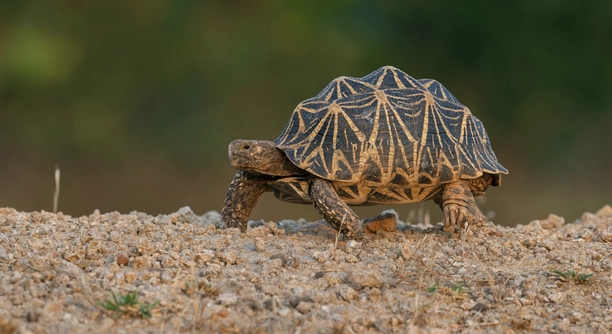
Turtles are fascinating creatures, but sometimes their behavior can leave us wondering what’s going on. One common issue is when a turtle hides behind the filter. Understanding this behavior can help you address it quickly.
Turtles may hide behind the filter due to stress, fear, or an attempt to seek a safe and quiet space. The filter provides a hiding spot that mimics natural environments, offering the turtle a sense of security.
Knowing why your turtle hides behind the filter can help improve its environment and reduce stress. This article will guide you through possible causes and how to create a better space for your turtle.
Why Do Turtles Hide Behind the Filter?
Turtles often seek shelter behind their filter due to instinctual behavior. In the wild, turtles find comfort in hiding within crevices or under submerged objects, which makes the filter an appealing place. It offers them a secluded spot where they feel safe from predators and other potential threats. If your turtle hides there frequently, it’s important to observe any changes in its environment. This could indicate stress or discomfort. Another possibility is that the filter’s current placement is too close to their resting area, causing them to retreat there often.
Sometimes, your turtle’s hiding is a reaction to its surroundings. If there are too many noises or sudden movements, it may choose to stay out of sight. Additionally, the filtration system’s constant movement can create a sense of security by providing a quiet retreat. With proper understanding of its natural instincts, you can address the behavior appropriately.
Stress and Environmental Factors
A stressed turtle may resort to hiding to escape unsettling factors. Environmental changes like a new tank setup or unfamiliar sounds can easily cause anxiety.
Environmental stressors could also include changes in water temperature or water quality. If these aspects are off, your turtle might feel the need to retreat into a hidden spot, like behind the filter. Maintaining a stable and calm environment can help reduce this behavior.
Hiding Due to Temperature Changes
Temperature changes can make your turtle uncomfortable. When the water is too hot or too cold, turtles might retreat to cooler or warmer areas, such as behind the filter, to find comfort.
Turtles are cold-blooded, so they rely on their environment to regulate their body temperature. If the water fluctuates outside their preferred range, it can stress them out. This leads them to seek cooler or warmer spots in the tank. The filter’s location might make it an ideal spot for them to adjust their temperature. Monitoring the water temperature consistently is essential to keeping your turtle comfortable and reducing stress.
Maintaining a stable water temperature in the tank will help reduce this behavior. Use a reliable thermometer and a heater to ensure the water stays within the proper range for your turtle. This small adjustment can make a big difference in your turtle’s comfort.
Filter Placement and Tank Layout
The placement of the filter can influence your turtle’s behavior. If it’s too close to their resting area, they may use it as a hiding spot more often.
Filters often create strong currents that can move debris and water. Turtles may naturally seek quieter, more stable areas where the current isn’t too strong. By adjusting the filter’s location or using one with a gentler flow, you can help your turtle feel more at ease. Consider moving the filter to a less intrusive spot, away from where your turtle likes to rest or bask.
Another factor to consider is the layout of the tank. Overcrowded or improperly placed objects may cause your turtle to hide. Ensure that the tank has enough open space and hiding areas that give your turtle options. By giving them more places to explore, they’re less likely to retreat behind the filter.
Boredom and Lack of Stimulation
A lack of stimulation can lead to a turtle hiding behind the filter. Turtles need mental and physical enrichment to stay active and healthy.
If your turtle isn’t getting enough activity, it might retreat to a quieter, isolated spot. Providing stimulating objects like aquatic plants, floating logs, or caves can help keep your turtle engaged.
Turtles are naturally curious creatures, and they need a variety of objects to explore. Without proper stimulation, they may feel disinterested in their surroundings and resort to hiding behind the filter. Offering a mix of decorations and hiding spaces can encourage your turtle to explore rather than hide.
Illness or Injury
An injured or sick turtle might hide behind the filter to avoid being exposed. If the turtle feels vulnerable, it may retreat to a spot where it feels safe.
If you notice changes in behavior, such as a lack of activity or poor eating habits, your turtle may be sick. Pay attention to other signs, like lethargy or abnormal shell conditions. Taking your turtle to a vet for a check-up is important if you suspect something is wrong.
Tank Mates and Social Dynamics
Turtles may hide if they feel stressed by other tank mates. Aggressive or territorial behavior from other animals can cause them to retreat to a quiet spot.
Adding tank mates that are too large or aggressive can create a stressful environment. Ensure that your turtle’s tank mates are peaceful and won’t harass it. Providing plenty of hiding spots for your turtle can help it feel safe if there are other animals in the tank.
FAQ
Why does my turtle keep hiding behind the filter?
Turtles hide behind the filter when they feel stressed, scared, or uncomfortable in their environment. It could be due to changes in water temperature, the filter’s placement, or lack of stimulation. The filter often provides a quiet, safe spot where the turtle can escape from potential threats or disturbances.
How can I tell if my turtle is stressed?
Stress in turtles can show in a few ways, such as hiding frequently, reduced activity, lack of appetite, or even aggression. If your turtle stays hidden behind the filter for extended periods and isn’t moving around or eating, it may be a sign of stress.
What is the ideal water temperature for my turtle?
The ideal water temperature for most pet turtles is between 75°F and 85°F (24°C to 29°C). Water that’s too cold or too hot can cause discomfort and stress. It’s essential to monitor the water temperature regularly to maintain a healthy environment for your turtle.
How do I prevent my turtle from hiding behind the filter?
To prevent hiding, try adjusting the filter placement or switching to a gentler filter with less current. Also, consider adding more hiding spaces in the tank, so your turtle has options. Maintain a stable water temperature, and ensure your turtle has plenty of stimulation, such as plants or safe toys.
Can tank mates cause my turtle to hide?
Yes, tank mates can cause stress if they are aggressive or too active. If your turtle feels threatened, it may retreat to a hiding spot like behind the filter. Make sure to choose peaceful tank mates and provide plenty of space and hiding spots for all the creatures in the tank.
Should I worry if my turtle is always hiding?
If your turtle is consistently hiding and not eating or moving around, it’s worth checking for signs of illness or environmental stress. However, brief periods of hiding are normal, especially after a change in the tank or during colder weather. Monitor your turtle’s behavior, and adjust the environment if needed.
How can I make my turtle feel more comfortable in its tank?
Ensure the tank environment mimics the turtle’s natural habitat. Provide adequate hiding spots, basking areas, and room to swim. Check the water quality regularly, maintain the right temperature, and keep the tank clean. Regularly changing the water can also help your turtle feel more comfortable.
What should I do if my turtle isn’t eating?
If your turtle isn’t eating, check the water temperature, water quality, and tank conditions. Stress, illness, or poor water conditions can lead to a loss of appetite. Try offering different types of food and ensure it’s the right diet for your species. If the issue persists, consult a vet.
Can my turtle get too much hiding time?
While it’s natural for turtles to hide occasionally, prolonged hiding may be a sign of stress or health issues. Ensure your turtle has enough opportunities to bask and move around. If it’s hiding constantly, investigate potential environmental or health problems.
How can I improve my turtle’s tank setup?
A good setup includes a large tank with plenty of space for swimming and basking. Use a proper filtration system, maintain the right water temperature, and provide floating platforms or basking areas. Adding plants, rocks, or logs for climbing can also enrich your turtle’s environment.
Is it normal for a turtle to stay in one spot for a long time?
Turtles often remain in one spot to bask, rest, or hide. However, if your turtle stays in the same location for extended periods without moving or interacting with its environment, it could indicate stress, discomfort, or illness. Keep an eye on its activity levels.
How can I tell if my turtle is sick?
Signs of illness in turtles include lethargy, lack of appetite, swollen eyes, soft or discolored shells, and abnormal swimming. If you notice any of these symptoms, it’s important to take your turtle to a vet for a check-up. Early intervention can make a significant difference in recovery.
Can I use any filter for my turtle tank?
Not all filters are suitable for turtle tanks. Turtles need strong filtration due to the mess they can make. A good filter should handle a larger tank and have a high turnover rate. A filter that can handle both mechanical and biological filtration is ideal for turtle tanks.
How often should I clean my turtle tank?
Regular tank maintenance is crucial for your turtle’s health. Perform partial water changes weekly to maintain clean water, and fully clean the tank every 4-6 weeks. Always monitor the water quality with test kits to ensure safe conditions for your turtle.
Can my turtle hide if it is molting?
Turtles can hide if they are molting, especially if their shells are shedding or growing. This natural process may cause some discomfort or vulnerability, leading your turtle to seek out a hiding spot like behind the filter. Ensure the environment is clean to support healthy molting.
Why does my turtle swim in circles?
Swimming in circles can indicate stress, confusion, or an issue with the water quality or temperature. In some cases, it can be a sign of a health problem or a tank that’s too small. Ensure the tank has enough space, proper filtration, and stable conditions for your turtle to thrive.
Is it okay for my turtle to hide in the filter all the time?
If your turtle is constantly hiding behind the filter, it could be a sign of an underlying issue. It’s important to check the environment for temperature changes, stressors, or inadequate tank setup. Adjust the tank to give your turtle more space and hiding options.
Final Thoughts
Understanding why your turtle hides behind the filter can help you address any issues it may be facing. Turtles, like all animals, have different ways of coping with their environment, and hiding is a natural response to stress or discomfort. Whether it’s due to tank mates, water conditions, or simply feeling insecure, it’s important to pay attention to your turtle’s behavior. Providing a safe, comfortable, and enriching environment can reduce stress and allow your turtle to thrive in its habitat.
While some hiding is normal, excessive hiding should not be ignored. Constant hiding can signal potential problems like poor water quality, incorrect temperature, or illness. If your turtle is not eating, moving, or interacting with its environment, it may be time to check the tank’s conditions. Make sure the water is clean and at the right temperature, the filter is working properly, and your turtle has enough space and hiding spots to feel secure. Monitoring your turtle’s activity and behavior will help you determine if any adjustments need to be made.
In the end, maintaining a healthy tank and a stress-free environment is the key to ensuring your turtle’s well-being. A combination of proper tank setup, the right water conditions, and regular check-ups can keep your turtle happy and healthy. If your turtle’s behavior doesn’t improve or worsens, don’t hesitate to consult a vet for further guidance. By providing the right care and attention, you’ll help your turtle live a longer, more comfortable life.

Hello,
If you enjoy the content that we create, please consider saying a "Thank You!" by leaving a tip.
Every little bit helps us continue crafting quality advice that supports the health, happiness, and well-being of pets around the world, for pets of all shapes, sizes, and species.
We really appreciate the kindness and support that you show us!