
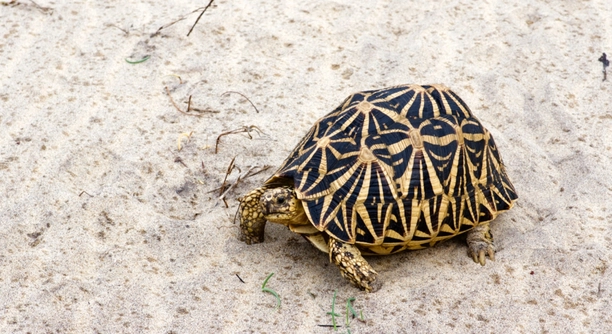
Turtles are fascinating creatures, and their care requires attention to many details. One important aspect of their health is digestion, and constipation can be a common issue. Understanding what causes constipation in turtles can help ensure they stay healthy and happy.
The main reasons turtles get constipated are poor diet, lack of exercise, dehydration, improper basking conditions, stress, parasites, and infections. These factors disrupt their digestion and lead to discomfort, which, if left untreated, could cause serious health issues.
By understanding the causes of constipation, you can take the necessary steps to keep your turtle’s digestive system running smoothly. This guide will explore each factor in detail to help you manage your turtle’s health.
Poor Diet
A turtle’s diet plays a key role in its overall health, including digestion. If your turtle is eating the wrong foods, it can lead to constipation. Many turtles need a balanced mix of vegetables, fruits, and protein to stay healthy. Without the right nutrients, their digestive system can become sluggish. For example, too much dry food, or food lacking in fiber, can make it harder for them to pass waste. Offering a variety of leafy greens and occasional fruits helps ensure they get the right fiber to keep things moving. It’s important to avoid feeding them too many high-fat or low-nutrient foods.
A well-balanced diet for your turtle will help prevent digestive issues. Offering a mix of fresh veggies and lean protein can support regular bowel movements.
Additionally, removing any uneaten food from their habitat promptly will prevent bacteria growth and further digestive problems. Make sure to provide food that mimics what they would eat in the wild to maintain their health.
Lack of Exercise
Turtles that aren’t active enough may experience constipation due to a slower metabolism. Exercise helps stimulate the digestive system and promotes healthy bowel movements.
It’s essential for turtles to have enough space to move around. Turtles are naturally active creatures, so a lack of stimulation can make it difficult for their digestion to work properly. Whether in an outdoor pond or a spacious tank, providing room for swimming and exploring is necessary. Regular movement helps keep the digestive track functioning well.
Providing a suitable habitat that encourages your turtle to move around can significantly reduce constipation risks. Whether it’s through swimming or walking, exercise promotes better digestion and overall health. Keeping them active ensures they don’t face digestion issues from a sedentary lifestyle.
Dehydration
Turtles need plenty of water to stay hydrated and help with digestion. If they aren’t drinking enough, their bodies can become dehydrated, which can lead to constipation. When a turtle’s body lacks water, it can’t properly process food, and waste becomes harder to pass.
Providing fresh water every day is crucial. For aquatic turtles, ensure their water is clean and easy to access. For land turtles, offer a shallow dish of water that they can soak in. This helps with hydration and digestion. If your turtle is dehydrated, it may not be able to pass waste properly, causing discomfort.
A simple way to prevent dehydration is by providing water in the right environment. Make sure it’s at a comfortable temperature. Regular hydration keeps their digestive system running smoothly. Consider misting their environment or offering water-rich foods, like cucumbers, to support their hydration needs.
Improper Basking Conditions
Turtles need a proper basking spot to regulate their body temperature. If the basking area isn’t warm enough, it can cause constipation. Basking helps their digestion by allowing them to digest food efficiently. Without the right warmth, the digestion process slows down, leading to digestive issues.
Make sure the basking area has the right temperature. For most turtles, a basking spot should be around 85-90°F. If it’s too cold, their metabolism slows, and their body can’t break down food or process waste effectively. The warmth is essential for digestion and overall health.
Adjusting the temperature of the basking area ensures that your turtle can digest its food properly. Without the right heat, your turtle’s digestive system won’t function at its best, leading to constipation.
Stress
Turtles are sensitive to their environment. Stress can lead to digestive problems like constipation. Changes in their habitat, loud noises, or even the presence of other animals can cause anxiety. This stress affects their ability to digest food and pass waste properly.
To reduce stress, keep their habitat calm and quiet. Avoid sudden changes and make sure they feel safe. Offering hiding spots and a consistent routine can help minimize stress. A turtle in a stressful environment may refuse to eat or experience difficulty with digestion. Stress management is essential for a healthy digestive system.
Parasites
Parasites like worms and protozoa can affect a turtle’s digestive system. They can cause blockages, leading to constipation. Regularly checking for signs of parasites is important to prevent these issues. Infected turtles may have abnormal waste or show signs of discomfort.
If you suspect your turtle has parasites, take them to a vet for treatment. Parasites can damage the digestive tract, making it difficult for the turtle to digest food. Proper care and treatment are key to keeping your turtle healthy and preventing long-term digestive problems. Regular vet check-ups are essential.
Infections
Turtles can get infections, which may lead to constipation. Infections affect their immune system and their digestive organs. If not treated, infections can cause digestive disturbances, including constipation, leading to discomfort and health risks.
Infections can arise from bacteria, fungi, or viruses. Keeping their habitat clean and ensuring they are in a stress-free environment can reduce the risk of infection. If your turtle shows signs of illness, such as swelling, discharge, or loss of appetite, consult a vet immediately for a proper diagnosis and treatment.
FAQ
What are the signs that my turtle is constipated?
A constipated turtle may show signs of discomfort, including straining to pass waste, not passing stool for several days, or having smaller, irregular bowel movements. You may also notice that your turtle becomes more lethargic than usual and may refuse food. Constipation can lead to bloating, making the turtle look swollen. If these signs persist, it’s important to address the issue promptly.
How can I help my turtle pass waste?
To help your turtle, ensure it is hydrated by providing fresh, clean water. You can also encourage movement by creating space for swimming or walking. Adding water-rich foods like cucumbers or leafy greens to their diet can also help. If your turtle is still struggling, a warm water soak for about 20 minutes might help stimulate the digestive system. Make sure their basking area is warm enough for proper digestion.
How long can a turtle go without pooping?
Typically, a turtle can go several days without passing waste, but if it exceeds more than a week, it could be a sign of constipation or an underlying health issue. If you notice prolonged constipation, it’s a good idea to consult a vet. The frequency of bowel movements can vary by species and diet, so it’s important to monitor your turtle’s habits.
Is it normal for my turtle to have irregular bowel movements?
Occasionally, irregular bowel movements can happen, especially if the turtle is adjusting to a new diet or environment. However, if this happens frequently or is accompanied by other symptoms like lack of appetite, lethargy, or straining, it’s a sign that something isn’t right. Keep an eye on their diet and habitat and adjust as necessary to prevent digestive issues.
Can a poor diet cause constipation in turtles?
Yes, a poor diet is one of the main causes of constipation. Feeding your turtle too many dry or processed foods, or not providing enough fiber, can slow down digestion. It’s important to offer a balanced diet of fresh vegetables, fruits, and appropriate protein sources. Fiber-rich foods like leafy greens are essential to keep the digestive system functioning well.
What should I feed my turtle to prevent constipation?
To prevent constipation, feed your turtle a varied and balanced diet. Include leafy greens like kale, collard greens, and dandelion greens. Some fruits, like strawberries and apples, can also be beneficial. For protein, offer insects like mealworms or crickets. Avoid feeding too much processed or dry food, as this can contribute to digestive problems.
How does stress affect my turtle’s digestion?
Stress can significantly affect your turtle’s digestion. When stressed, turtles may stop eating or drinking, leading to dehydration and digestive problems. Stress can also slow down their metabolism, making it harder for them to pass waste. Keeping their environment calm and comfortable, with proper lighting, temperature, and space, can help reduce stress.
Can dehydration cause constipation in turtles?
Yes, dehydration is one of the leading causes of constipation in turtles. Without enough water, a turtle’s digestive system can’t process food properly, and waste becomes hard to pass. Make sure your turtle has constant access to clean water. For aquatic turtles, ensure their water is changed regularly, while land turtles should be offered a shallow dish for soaking.
Is it okay to give my turtle a warm water soak to relieve constipation?
Yes, a warm water soak can help relieve constipation by stimulating the digestive system. Soaking your turtle in warm water (around 85°F) for 15-20 minutes can help soften waste and make it easier for your turtle to pass. Be sure to supervise your turtle during the soak and dry it off afterward to prevent chilling.
When should I take my turtle to the vet for constipation?
If your turtle has been constipated for more than a week, or if it shows signs of discomfort such as lack of appetite, lethargy, or bloating, you should take it to a vet. A veterinarian can determine if there is an underlying health issue, such as parasites or an infection, and provide the necessary treatment.
Can my turtle’s habitat contribute to constipation?
Yes, an improper habitat can contribute to constipation. If your turtle’s basking area is not warm enough or if it doesn’t have access to clean water, its digestive system may not function properly. Ensure that your turtle has the correct temperature range in both its water and basking spots to aid in digestion. A clean and spacious habitat will also help maintain your turtle’s overall health.
Can parasites cause constipation in turtles?
Parasites can affect a turtle’s digestive health and cause constipation. Infections from worms or protozoa can disrupt the digestive system and cause waste to back up. Regular vet checkups and fecal exams can help detect and treat parasites early. If your turtle seems unwell, a vet visit is necessary for diagnosis and treatment.
How often should I feed my turtle to prevent constipation?
Feeding your turtle every other day is often ideal for most species. Overfeeding can contribute to constipation, while underfeeding can lead to nutritional deficiencies. Offering food in appropriate amounts based on your turtle’s size and species will help maintain a healthy digestive system. Always make sure the food is fresh and properly balanced.
Can constipation lead to other health problems in turtles?
If left untreated, constipation can lead to more serious health problems in turtles, such as impaction, where waste becomes hard and difficult to pass. This can cause pain, swelling, and even internal damage. In severe cases, untreated constipation can be life-threatening. Regular monitoring and appropriate care are key to preventing complications.
Final Thoughts
Turtles are unique creatures that require careful attention to their diet, habitat, and overall health. Constipation is a common issue that can arise from various factors, including poor diet, lack of exercise, dehydration, stress, and infections. Understanding the causes and symptoms of constipation is essential for keeping your turtle healthy and comfortable. A well-balanced diet with the right amount of fiber, plenty of fresh water, and a spacious environment that encourages movement are all crucial for promoting good digestion.
In addition to diet and environment, it’s important to be mindful of the temperature in your turtle’s habitat. Providing a proper basking area and making sure the water temperature is ideal can help prevent constipation. Stress management is also a key factor in maintaining your turtle’s health. A calm and stable environment will reduce the chances of digestive problems. Regular checkups with a vet can help catch any underlying issues like parasites or infections that might affect your turtle’s digestion.
If you notice any signs of constipation, such as lack of appetite, bloating, or difficulty passing waste, take action quickly. In some cases, a simple adjustment in diet or environment may be enough to resolve the problem. However, if constipation persists, seeking veterinary advice is necessary to avoid more serious complications. By being proactive and attentive to your turtle’s needs, you can ensure they live a healthy, happy life without the discomfort of constipation.

Hello,
If you enjoy the content that we create, please consider saying a "Thank You!" by leaving a tip.
Every little bit helps us continue crafting quality advice that supports the health, happiness, and well-being of pets around the world, for pets of all shapes, sizes, and species.
We really appreciate the kindness and support that you show us!