
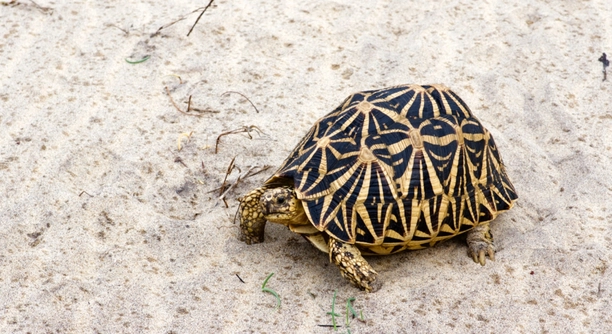
Turtles are fascinating creatures that can sometimes act in ways that leave their owners scratching their heads. One common behavior is when a turtle keeps trying to climb the heater in its tank.
The primary reason your turtle tries to climb the heater is because of its instinctual need for warmth. Heaters in the tank often provide a spot of heat that turtles find appealing, especially if they need to regulate their body temperature.
Understanding why this behavior occurs can help you provide a better environment for your turtle and prevent potential harm. There are simple ways to address the issue and ensure your pet stays safe and comfortable.
Why Do Turtles Need Heat?
Turtles are cold-blooded animals, meaning they rely on external sources of heat to maintain their body temperature. In the wild, they bask under the sun to warm up, but in a tank, you must provide them with a suitable heat source. This is where the heater comes in. A turtle’s health and metabolism depend on staying warm enough to digest food properly and be active. Without proper heat, turtles can become lethargic, lose their appetite, and may even fall ill. If they don’t have the right temperature range, they may attempt to find heat wherever they can, like near the heater.
A heater should provide the right warmth without creating extreme temperature differences.
The proper temperature for a turtle tank depends on the species, but it’s generally important to have a basking area that’s between 85-90°F and cooler areas of about 75°F. Inadequate heating can stress out your turtle and cause the climbing behavior you’re seeing.
How to Prevent Climbing the Heater
One easy way to discourage your turtle from climbing the heater is to check if the heater is placed in a spot that creates an attraction for them.
Positioning the heater properly can help your turtle feel more comfortable. By placing it near the back of the tank, or under a basking platform, it will provide heat where it’s needed most without creating a tempting hot spot that your turtle might want to climb. Additionally, consider using a tank with a secure, enclosed space for the heater, or invest in a heater guard to prevent your turtle from physically interacting with it. A simple fix like this can keep your turtle from getting too close and potentially hurting itself.
Possible Risks of Climbing the Heater
When your turtle climbs the heater, it can face several risks. The heater may become too hot, leading to burns or overheating. The constant climbing can also result in physical stress on your turtle, leading to exhaustion. In some cases, the turtle might fall or slip, potentially injuring itself.
These physical risks can be minimized by ensuring your turtle’s tank is appropriately set up. By securing the heater in a way that reduces its accessibility, you can avoid these dangers. It’s essential to monitor both the temperature and the turtle’s behavior to make sure it doesn’t overheat. Keeping the tank stable can also help your turtle stay comfortable and safe.
How to Provide a Better Habitat
To create a better environment for your turtle, consider adding more natural elements to the tank. Providing a proper basking area with a ramp or platform can give your turtle a stable spot to enjoy the warmth. This will keep them from climbing the heater.
Additionally, offer your turtle a variety of places to hide and explore within the tank. Hiding spots reduce stress and provide your turtle with a sense of security, which is important for their well-being. A balanced habitat with proper lighting, filtration, and heat will ensure your turtle remains comfortable and doesn’t need to climb the heater to find warmth.
Adjusting the Heater’s Temperature
If your turtle is climbing the heater, it might be due to the temperature being too high. Ensure that the heater is set at the appropriate range for your species. Overheating can make your turtle uncomfortable, causing it to seek out cooler areas.
You can use a thermometer to check the water temperature. A range of 75-80°F for the water and 85-90°F for the basking spot is ideal for most turtles. Adjusting the temperature to these ranges will prevent your turtle from attempting to climb the heater for warmth or cooler spots.
Using Heater Guards
A heater guard is a simple yet effective solution to prevent your turtle from climbing or damaging the heater. These guards protect both your turtle and the heater from potential harm.
Installing a guard around the heater keeps your turtle from physically interacting with it, which reduces the risk of burns or stress. You can find different types of guards, some made of mesh, plastic, or metal. Just make sure to choose one that fits your tank size and doesn’t disrupt the water flow.
FAQ
Why does my turtle keep climbing the heater?
Your turtle may be climbing the heater to find warmth. Turtles are cold-blooded and need heat to regulate their body temperature. If the heater is providing the only source of heat, your turtle might instinctively try to climb it to get closer. It’s important to ensure the tank has a properly positioned heater and other heating options like a basking area.
Can climbing the heater hurt my turtle?
Yes, climbing the heater can hurt your turtle. If the heater is too hot, it can cause burns or skin damage. Additionally, constant climbing might result in physical stress, exhaustion, or even falls that could injure your turtle. Preventing access to the heater can help keep your pet safe.
How do I know if my turtle is too cold?
If your turtle is too cold, you’ll likely notice that it becomes lethargic or refuses to eat. It may also spend more time at the bottom of the tank or try to climb toward the heater. A thermometer in the tank will help you monitor the temperature and ensure it’s within the ideal range for your turtle.
What is the right temperature for my turtle’s tank?
The optimal temperature varies by species, but generally, the water temperature should be between 75-80°F, and the basking spot should be around 85-90°F. It’s important to maintain a temperature gradient so your turtle can move to cooler or warmer spots based on its needs.
How can I prevent my turtle from climbing the heater?
To prevent climbing, place the heater in a location where your turtle cannot easily access it. You can also use a heater guard to protect both your turtle and the heater. Additionally, providing a separate basking area with a proper heat source will reduce the temptation to climb the heater.
Should I get a bigger tank for my turtle?
If your turtle is growing or seems restless, a larger tank can provide more space and comfort. A bigger tank allows for better water circulation, more areas for basking, and a more stable environment. It may also help reduce stress, as your turtle will have more room to explore.
What type of heater is best for my turtle’s tank?
Submersible heaters are commonly used for turtle tanks. They are efficient and easy to install, ensuring even heat distribution. Some heaters are adjustable, allowing you to set the exact temperature needed. Make sure to choose a heater designed specifically for the size of your tank.
Can I use a heat lamp instead of a heater?
Yes, a heat lamp can be used to provide the basking heat your turtle needs. It’s important to place the lamp above a basking area, ensuring that the temperature in that spot stays between 85-90°F. However, the tank’s water still needs to be kept at a proper temperature, which is why a heater is usually necessary in addition to the lamp.
How often should I check the temperature in my turtle’s tank?
It’s a good idea to check the temperature in your turtle’s tank daily. This will ensure the water is at the right temperature and that the basking area is warm enough. Regular checks can prevent overheating or water that’s too cold, both of which can stress your turtle.
Why is my turtle spending too much time near the heater?
If your turtle is spending too much time near the heater, it could mean the temperature in other parts of the tank is not ideal. Your turtle might be seeking warmth because it feels too cold elsewhere in the tank. Make sure the entire tank has a balanced temperature range.
Can I use an underwater filter in my turtle’s tank?
Yes, an underwater filter is a great option for turtle tanks. It helps to keep the water clean and clear, which is essential for your turtle’s health. Make sure the filter is strong enough to handle the waste your turtle produces, but not too strong to create strong currents that can stress your turtle.
Should I have a separate basking area for my turtle?
Yes, it’s essential to provide a separate basking area where your turtle can climb out of the water to dry off and warm up. This area should be equipped with a heat lamp to maintain the right temperature. Without a proper basking spot, your turtle might try to climb the heater for warmth.
What other accessories does my turtle need?
Besides a heater and basking area, your turtle will benefit from other accessories like a UVB light for vitamin D production, a filter for clean water, and some hiding spots. These accessories help keep your turtle healthy, happy, and comfortable.
How can I make sure my turtle feels secure in its tank?
Turtles like to have places to hide and explore. Adding decorations, rocks, or plants can give your turtle a sense of security and help reduce stress. This may prevent your turtle from seeking out the heater as a form of comfort.
Final Thoughts
Turtles are fascinating creatures, but they require special care to ensure they stay healthy and happy. When it comes to their environment, the right temperature is crucial. Turtles need a warm spot to bask and a cooler area to regulate their body temperature. If they are climbing the heater, it is likely because they are trying to get the warmth they need. This behavior can be addressed by adjusting the tank’s temperature and making sure there are other options available for heat. By paying attention to their needs, you can prevent unnecessary stress or potential harm.
It’s important to remember that turtles are creatures of habit, and once they find a spot that provides them comfort, they will often return to it. The key is to create a balanced and safe habitat. This includes the proper placement of the heater, ensuring the tank has a temperature gradient, and providing adequate space for your turtle to move around. With the right setup, your turtle will have plenty of options to regulate its temperature and won’t feel the need to climb the heater. A little extra attention to detail can go a long way in creating a safe, healthy, and enjoyable environment for your turtle.
In the end, taking the time to understand why your turtle behaves in a certain way can make a big difference. By making simple adjustments to the tank setup and providing a suitable environment, you’ll not only solve the issue of heater climbing, but also improve your turtle’s overall well-being. Whether it’s adjusting the temperature, adding a basking area, or ensuring that the heater is safe, these changes will help keep your turtle comfortable and happy for years to come.

Hello,
If you enjoy the content that we create, please consider saying a "Thank You!" by leaving a tip.
Every little bit helps us continue crafting quality advice that supports the health, happiness, and well-being of pets around the world, for pets of all shapes, sizes, and species.
We really appreciate the kindness and support that you show us!